After the Enquiry: The Seven Days From Quote to Approved Order
- Share
- Issue Time
- Sep 30,2026
Summary
Buyers judge a factory by what happens after the first email. The sequence is predictable — quote, clarification, sample, approval, deposit, production slot — and each step has a document that stops the order drifting.
The Problem: The Order Is Won or Lost in Week One
Most buyers describe the enquiry as the hard part. In practice the enquiry is a message; the week after it is where an order either becomes concrete or quietly loses momentum. The sequence is predictable, and each step in it has a document attached. Buyers who know the sequence push it forward instead of waiting for it.
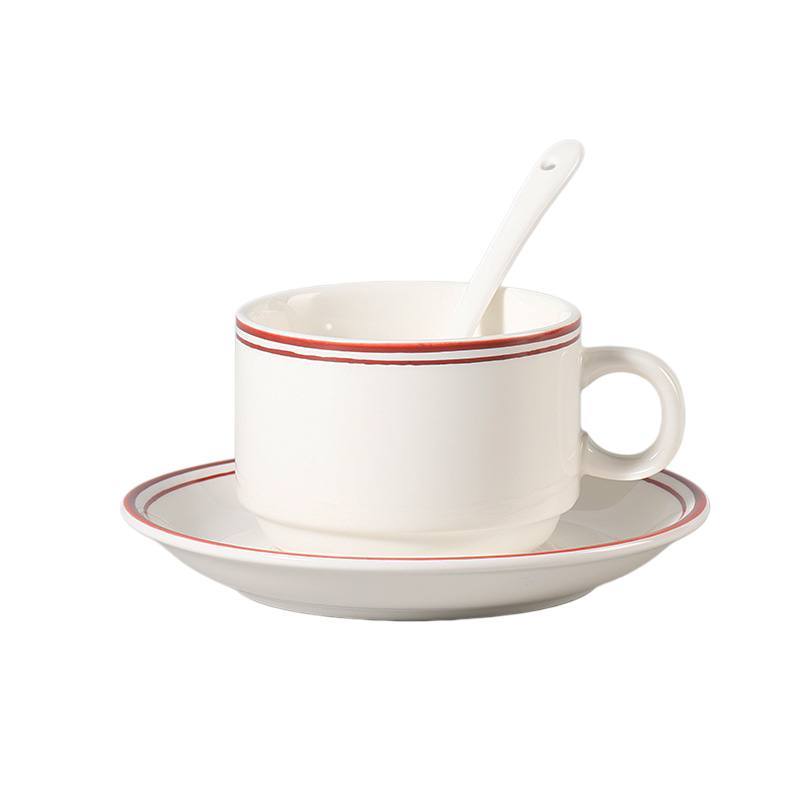
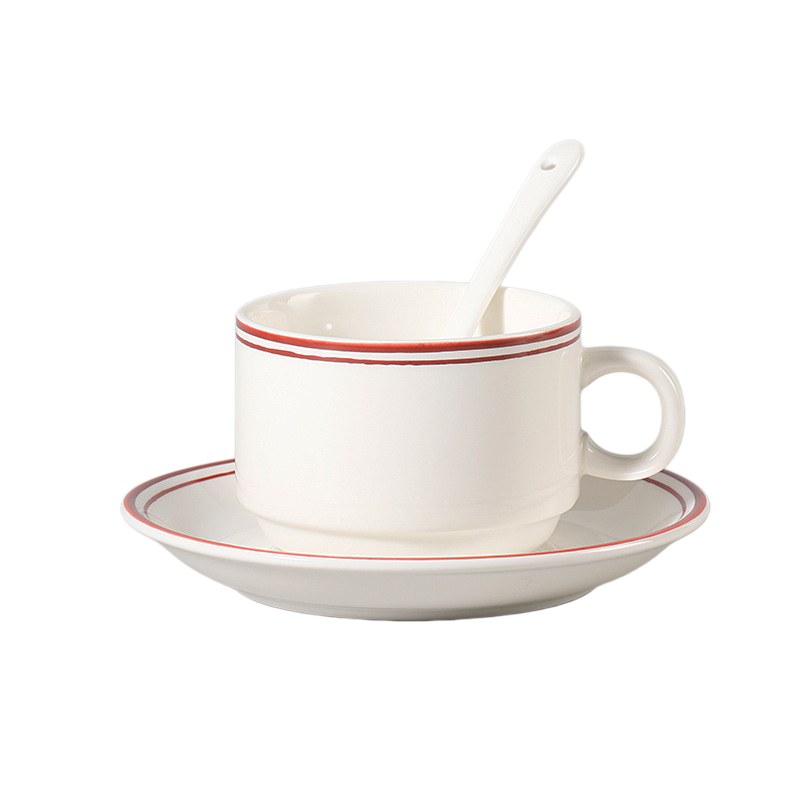
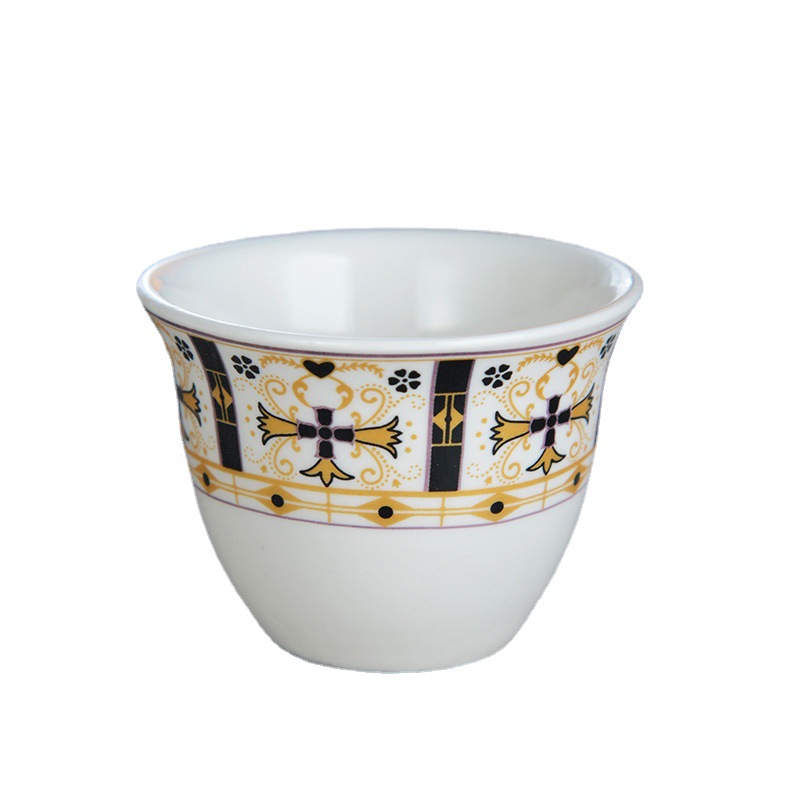
Products in this guide: Custom Coffee Cup and Saucer · Decorative Espresso Coffee Cup
The Seven Steps, and the Document That Closes Each
1. Quotation (day 1-3). What arrives should be per item, with the price at your quantity, the MOQ structure, the decoration method with any setup cost, and a lead time. If it arrives as a single lump figure, the useful reply is not "too expensive" but the itemised breakdown — which is also the only way to compare two suppliers fairly.
2. Clarification of the three variables (day 2-5). Nearly every quotation rests on assumptions: the quantity split by design, the decoration method, and the Incoterm. Changing any of the three moves the price. This is the cheapest moment to settle them, because after sampling they become commitments.
3. Sampling (day 5-20, depending on the item). There are different sample types — a stock sample to judge body and glaze, a pre-production sample in your decoration, and where tooling is involved, a mould trial. Knowing which one is being sent, and what it costs, prevents the classic week of confusion in which both sides wait for the other.
4. Sample approval (day 1-3 after receipt). Approval should be written, and it should state what is being approved: the body, the glaze, the decoration, the packing. This is the document that later defines "conforming goods", so it is worth an hour of attention. A retained approved sample held by the factory, sealed and dated, is the physical half of the same record.
5. Order confirmation and deposit (day 1-2). A confirmation should restate: item list with quantities, unit prices, decoration, packing, lead time, Incoterm, payment terms, and the sample reference. If any line differs from what you understood, this is the moment when it is still cheap to correct.
6. Production slot (same week). The lead time starts from approval and deposit, not from the enquiry. Ask when the slot is booked, and whether peak season affects the start date — the answer changes what a "35-day lead time" actually means in your calendar.
7. First-article and inspection arrangements (before production ends). Agree early who inspects, against which standard (for example ANSI/ASQ Z1.4), and at which stage. Arranging the inspection three days before shipment is the most common cause of a delay that looks like the factory's fault but is not.
The Documents Worth Having
Three documents carry most of the risk: the itemised quotation (so prices are comparable), the written sample approval (so quality has a definition), and the order confirmation (so nothing rests on memory). Everything else — invoices, packing lists, inspection reports — follows from those three.
Our <a href="https://www.storiwareceramicmugs.com/oid1756307/Custom-Ceramic-Mugs-Bulk-Order-Factory-Direct-from-China.htm">bulk order programme</a> sets out the same sequence, and if you are at the first step, <a href="/contact-us.htm">send the five-item brief</a> and we will return an itemised quotation with the sample plan and the slot date.
The spec freeze guide explains how artwork and packing files are locked between orders.
What to Put in the Order
- An itemised quotation you can compare line by line.
- The three variables settled in writing: quantity split, decoration, Incoterm.
- A named sample type with its cost and lead time.
- Written sample approval, with a sealed retained sample.
- An order confirmation restating every commercial line.
- Inspection standard and stage, agreed before production ends.
The packaging guide explains how retail-ready and protective layers are specified together.
The Habit That Ties It Together
The habit is to treat week one as a sequence with documents rather than as a negotiation. Buyers who do this spend their time approving a specific item instead of re-clarifying one.
Related Products
Explore products featured in this guide:


Have questions? See our Sizes & Finishes FAQ and Ordering & Certifications FAQ.
Need a custom quote? Send an inquiry or browse our full product catalog.