After the Sale: Writing Warranty and After-Sales Terms That Hold Up in Ceramics
- Share
- Issue Time
- Sep 9,2026
Summary
What happens after delivery is part of the price. This guide explains how buyers and factories can agree on warranty scope, claim windows, replacement logistics and documentation for ceramic programs — in terms that are clear enough to survive a real claim.
The Problem: After-Sales Is Where Good Relationships Quietly Break
Two buyers can order the same mugs on the same day and have completely different experiences six months later — not because the factories differ, but because the after-sales terms did. One buyer asked for a warranty clause and got "we guarantee quality"; the other defined scope, windows, evidence and remedies in half a page, and both sides knew what they had signed. When a real claim arrives — a lathe line of defective handles, a carton crushed in transit, a glaze that crazes after two dishwasher weeks — the buyer with defined terms gets a process; the buyer without one gets a negotiation at the moment they can least afford it. This guide covers the four parts of an after-sales agreement that hold up in ceramics.
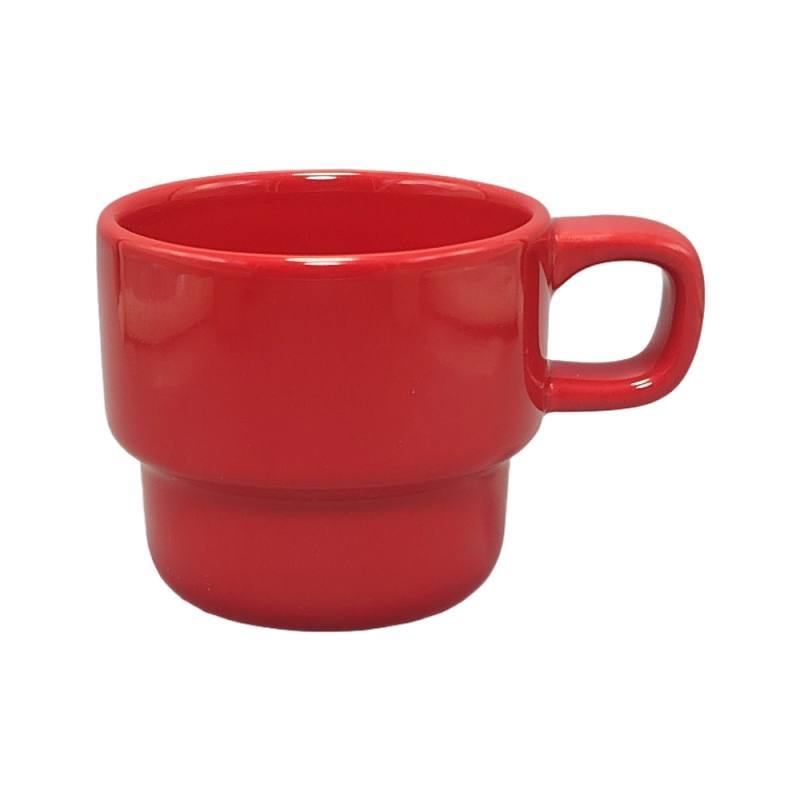
Products in this guide: Safe and Colorful Ceramic Kids Cup 260ml · Kids Printed Ceramic Mug
Where This Fits in the Sourcing Chain
The after-sales clause is the delivery-end twin of the quality terms written before production — the two need to reference each other. The quality terms guide explains how to write acceptance standards into the order. When a claim actually fires, it runs on the corrective loop: evidence, root cause, disposition. And the lead time of any replacement shipment depends on the same production-readiness that makes reorders fast. The reorder lead time guide explains why second orders ship faster. The full chain follows the standard sourcing map. See the full ceramic sourcing process map.
Part One: Warranty Scope — What Is Covered, Against What Reference
A workable scope names three things. First, the reference: defects are measured against the approved master sample and the written specification, not against an ideal. Second, the categories: manufacturing defects (cracks, glaze flaws, faulty fit) are covered; damage from use, from the buyer's own packing changes, or from conditions the product was not specified for are not. Third, the visibility rules — the same "visible at arm's length under normal light" language that defines inspection also defines warranty, so the two documents never contradict.
Part Two: Claim Windows — Time Limits That Match Ceramic Reality
Ceramics fail in two distinct ways, and the windows should match. Transit and receiving damage shows up immediately — the window belongs to the receiving checklist, measured in days from dock arrival, backed by photos taken before the pallets are broken down. Latent defects — a glaze that crazes after washing cycles, a handle that loosens — surface later; a window of several months from delivery is the customary shape, defined from the arrival date, not the invoice date. Write both windows down. A claim without a window is a dispute waiting for one side to get tired.
Part Three: Remedies and Replacement Logistics — Who Does What
The remedy ladder should be agreed before it is needed: credit against the next order for small quantities, replacement production for systemic defects, and the freight split for each case — who pays for the return inspection, who pays replacement freight, what happens to the affected stock. For replacements, the practical detail that saves months is this: a standing agreement that replacement runs use existing tooling and the frozen specification, so the factory can schedule them like a reorder rather than like a new project. This is one of the quiet ways a repeat program pays for itself — the infrastructure that makes reorders fast also makes remedies fast. The reorder lead time guide explains why second orders ship faster.
Part Four: Documentation — The Claim File That Ends Arguments
A claim file needs five things: the order reference, the evidence pack, the clause invoked, the agreed disposition, and the closing record (credit note, replacement shipment number, or signed scrap confirmation). Five documents, one folder. Buyers who keep this file find that the second claim with the same factory runs in half the time of the first — and factories notice which buyers document properly, and price and prioritise accordingly. After-sales terms are not pessimism; they are the structure that lets both sides promise things they can actually keep.
Related Products
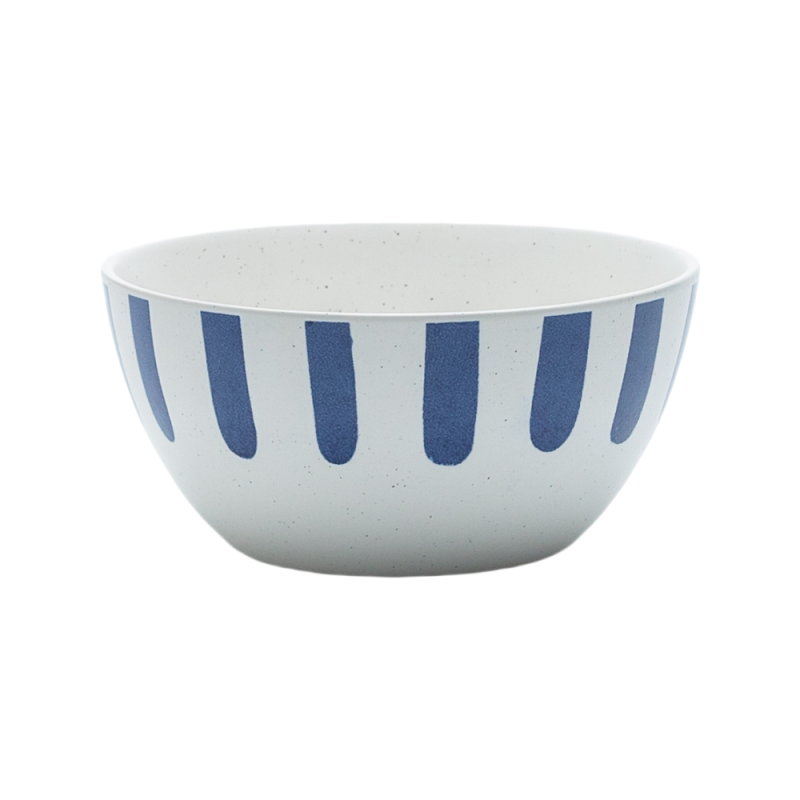
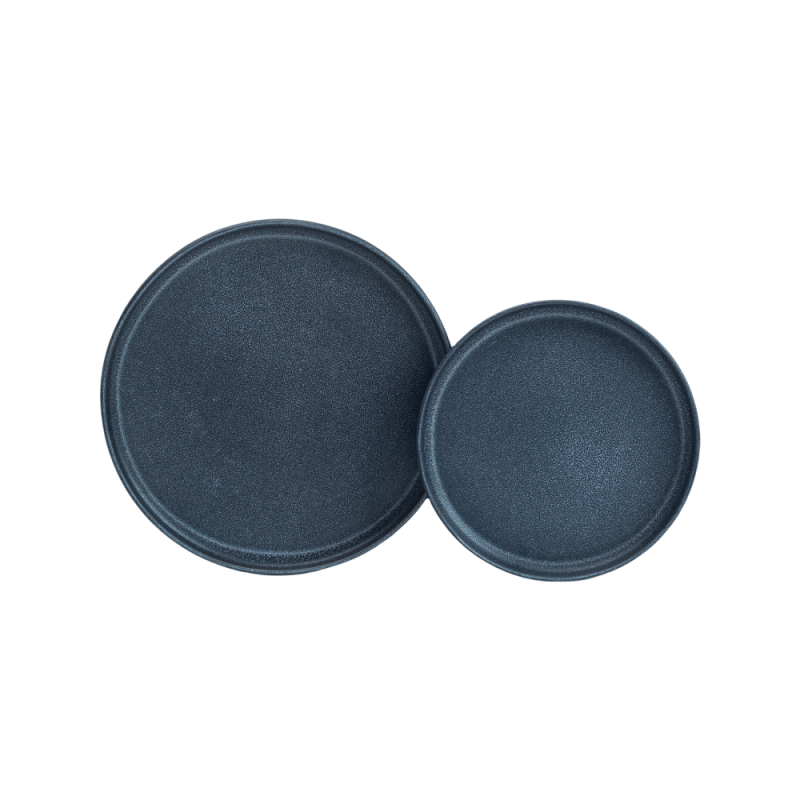
Explore products featured in this guide:


Have questions? See our Sizes & Finishes FAQ and Ordering & Certifications FAQ.
Need a custom quote? Send an inquiry or browse our full product catalog.