Bars, Taprooms and Tasting Rooms: When the Vessel Is Part of the Product
- Share
- Issue Time
- Sep 23,2026
Summary
A bar sells a drink, and the drink arrives in a vessel that decides how it looks, how it holds its head and how long it stays cold. Ceramic does three of those jobs better than glass — and fails at a fourth unless it is specified correctly.
The Problem: A Vessel With Four Jobs
A drinkware vessel in a bar has to hold a volume, present the drink, keep it at temperature and survive a commercial glasswasher several times a day. Glass optics are the industry default, and ceramic competes on three of those four: thermal mass keeps a drink cold longer than thin glass, an opaque body is where branded ceramic belongs, and a thick wall survives the knock that cracks a glass. The fourth job — head retention in beer — is where ceramic usually loses to glass, and where the specification matters most.
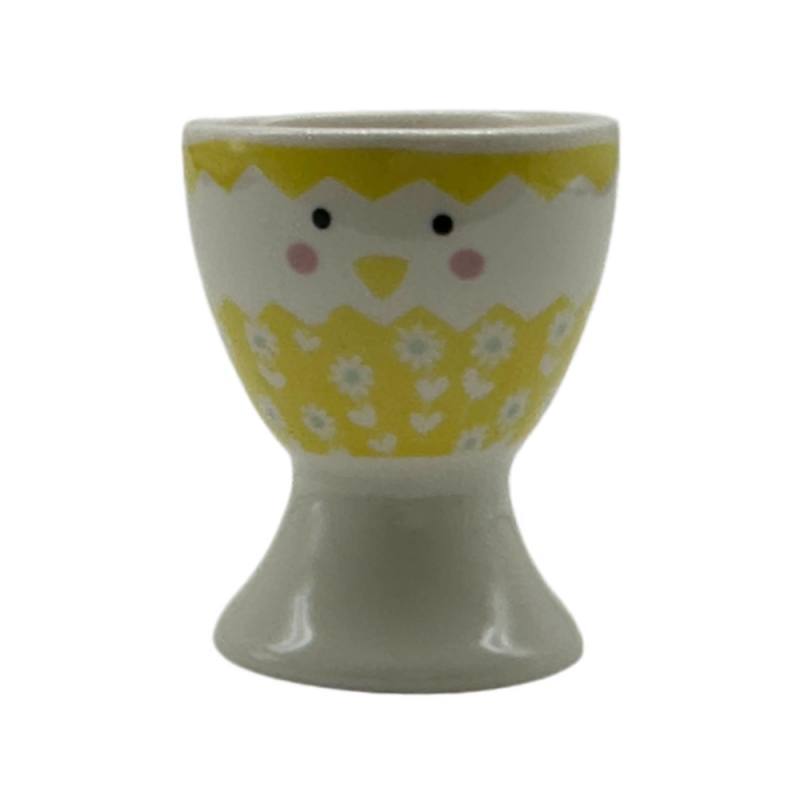
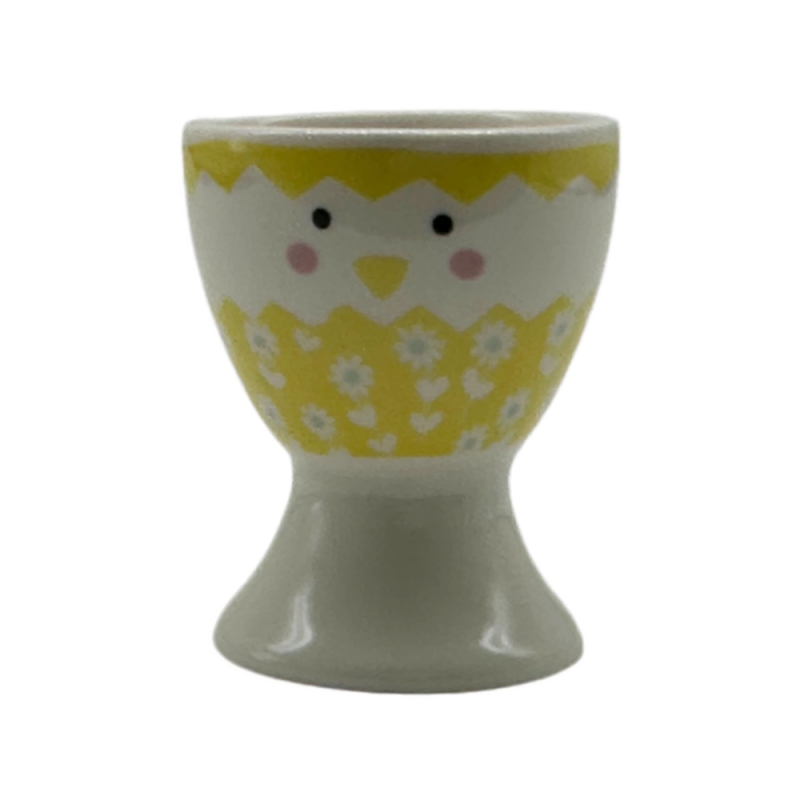
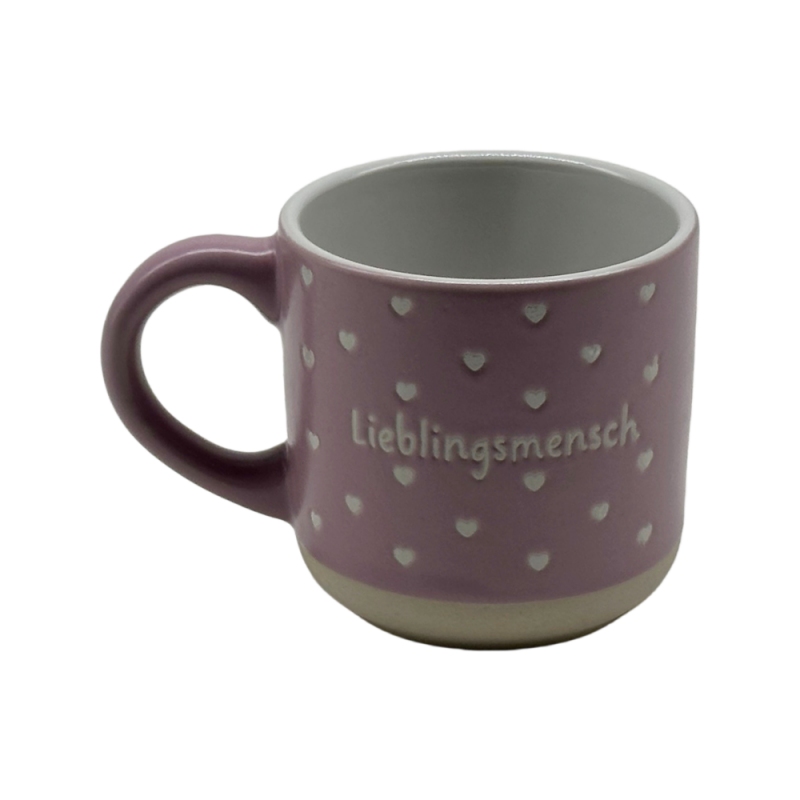
Products in this guide: Cute New Bone China Egg Cup – Chick Design Ceramic Egg Holde for breakfast · Small Ceramic Gift Cup with Heart Pattern – “Lieblingsmensch” Design
Four Specifications
Capacity and fill line. A vessel sold as a "500 ml" holds different volumes depending on where the fill line sits and whether the head is counted. In a bar the practical number is the served volume, so the brief should state it, exactly as with any liquid container. A vessel that is short of the served volume gets returned; one that is over gets poured short.
Head retention. Beer foam depends on nucleation sites and on the surface. A highly polished interior gives fewer nucleation points and a shorter head than a roughened or deliberately nucleated base. Where the vessel is intended for beer, the interior base treatment is a specification — and it can be produced deliberately rather than discovered after the first pour.
Chill retention and wall thickness. A thicker wall holds cold longer, and it makes the vessel heavier — which is a feature in a bar (it feels substantial) and a cost in freight. The trade-off should be decided deliberately, since wall thickness also changes capacity inside the same outer mould.
Washing and abrasion. A commercial glasswasher runs hot and uses detergent; a ceramic vessel goes through more cycles in a year than a domestic mug does in a decade. The questions are whether the decoration is fired, whether the rim chips and whether the glaze survives. Fired decoration below the rim is the version that lasts.
The Tasting-Room Case
A brewery or distillery tasting room buys a different product: small vessels in flights, usually a set of three or four on a board or a paddle, where the pieces have to nest or seat in the paddle and read as a set. The specifications that matter are identical capacity within the flight — a difference of a few millilitres is visible when three vessels sit side by side — and set matching on glaze, the same rule that applies to any reactive or coloured surface.
Merchandise, and Where Ceramic Wins
Bars and taprooms sell merchandise. Ceramic wins that argument where the item is used rather than displayed: a branded stein that goes home and stays in the freezer, a jug that is used as a jug. The specification that decides whether it survives domestic use is the same as for any drinkware — a rim formed for drinking, a fired decoration, and a stated dishwasher performance.
Questions to Ask a Supplier
- What is the served volume to the fill line, not the brim capacity?
- Can the interior base be specified for nucleation, where the vessel is for beer?
- What is the fired wall thickness, and how does it change capacity in this mould?
- Is the decoration fired, and how many commercial wash cycles is it tested for?
- For flights: can the individual vessels be matched within a few millilitres, and matched on glaze?
- What drop test has the piece survived on a hard floor?
The spec freeze guide explains how artwork and packing files are locked between orders.
What to Put in the Order
- Served volume and fill line, as figures.
- The interior base treatment, where beer is the use case.
- Wall thickness and weight, decided rather than accepted.
- Fired decoration and a wash-cycle figure.
- Flight uniformity: capacity tolerance and glaze matching.
- A drop test on the specific piece.
The packaging guide explains how retail-ready and protective layers are specified together.
The Habit That Ties It Together
The habit is to specify the vessel for the pour rather than for the shelf. Bars that do this get a drink that looks right, a head that lasts, and a piece that is still in service after a busy season.
Related Products
Explore products featured in this guide:
Have questions? See our Sizes & Finishes FAQ and Ordering & Certifications FAQ.
Need a custom quote? Send an inquiry or browse our full product catalog.