Barware and Drinkware Sets: The Adjacent Line That Carries a Higher Price
- Share
- Issue Time
- Sep 15,2026
Summary
Cocktail, mocktail and spirits glassware sits immediately beside ceramics, sells at a higher price point, and is bought by many of the same customers. This guide covers the forms, the buyers and the specification realities of a ceramic-led barware range.
The Problem: The Line Next to Yours, Priced Higher
A supplier with a tableware range already serves customers who also buy barware: the gift retailer, the home and lifestyle chain, the online gift platform. Cocktail, mocktail and spirits-adjacent glassware and vessels are a natural extension that sells at a higher price per unit than drinkware, for the simple reason that they are bought as gifts and as occasions rather than as replacements. Approached as "more mugs", it fails; approached as a distinct line with its own forms, it is one of the cheapest extensions a range can make.
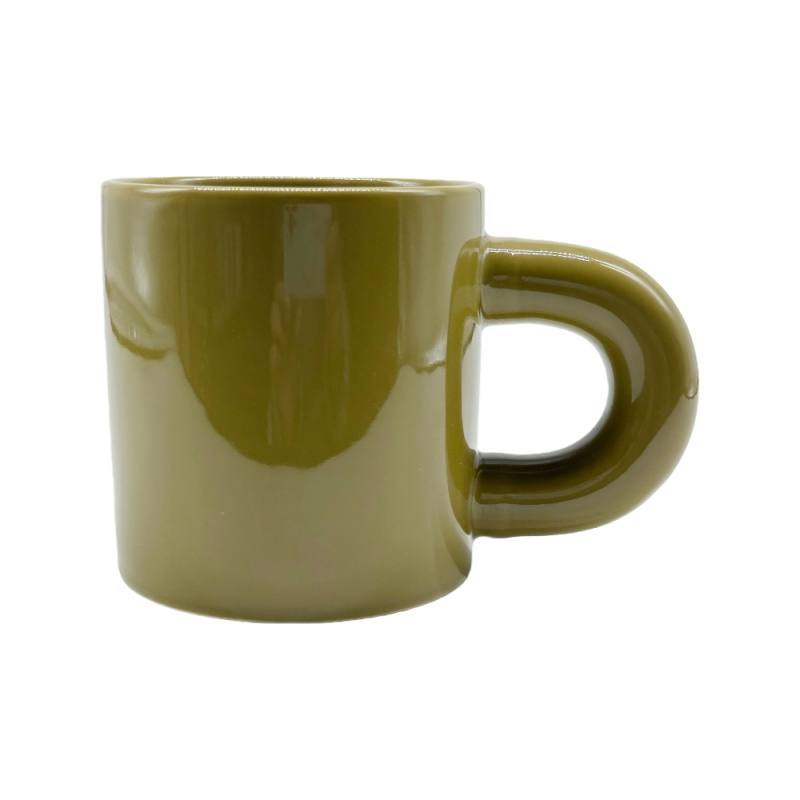
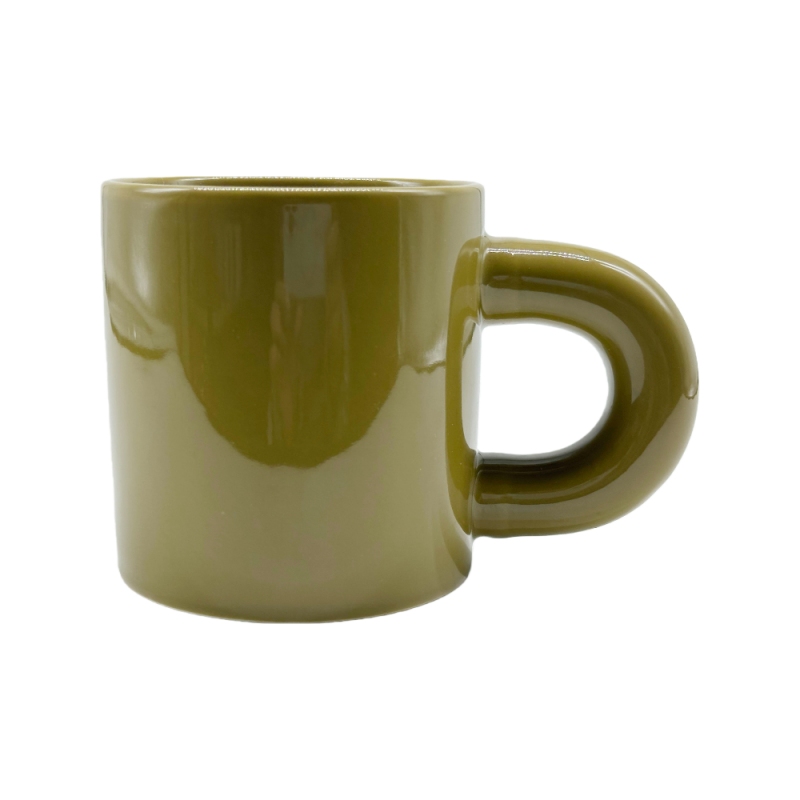
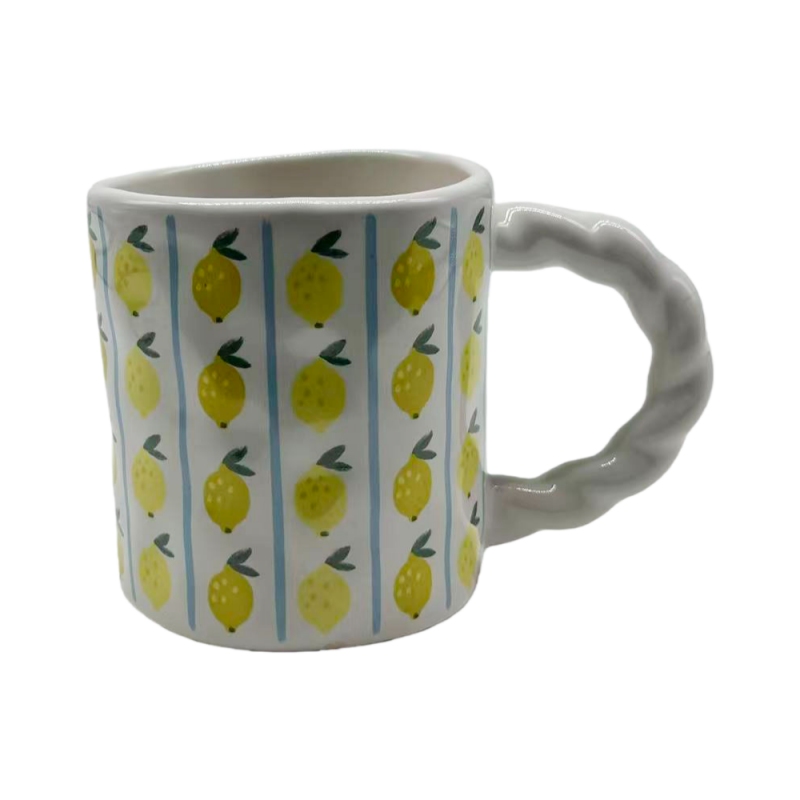
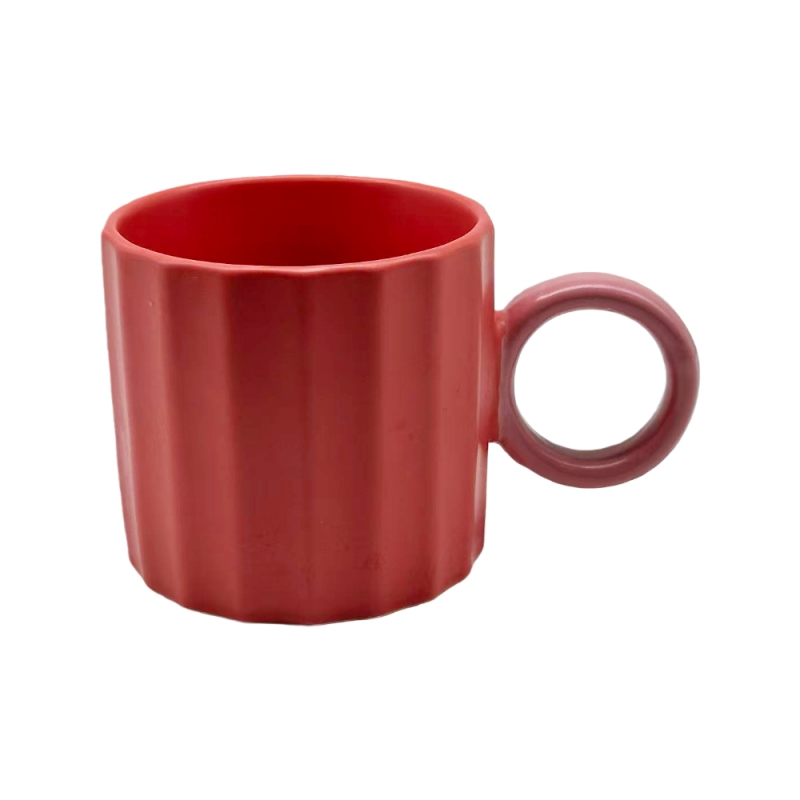
Products in this guide: 650ml Large Ceramic Coffee Mug · Printed Stoneware Ceramic Mug
Where This Fits in the Sourcing Chain
The specification question is the material and the form rather than the decoration: vessels have to be dimensioned for a drink, not for a photograph. The spec freeze guide explains how artwork and packing files are locked between orders. Sets are the natural pack, so the packaging choices matter as much here as in any gift range. The packaging guide explains how retail-ready and protective layers are specified together. The full chain follows the standard sourcing map. See the full ceramic sourcing process map.
The Forms That Sell
Four, each with a clear buyer. The cocktail tumbler or highball, which is the volume form and the one most often sold in multiples. The stemmed glass or coupe, where the price point is highest and the fragility is greatest. The jug or pitcher, for sangria, punch and batch cocktails, and the piece most likely to be bought with a set. The spirit-adjacent accessory — coasters, bottle stoppers, a small dish for olives — which is how a range reaches the low price point without discounting the main items.
For ceramics specifically, the two forms that work best are the tumbler and the pitcher, because they tolerate the material's weight and thermal behaviour. Thin-walled stemware is a glassmaker's craft; a ceramic range should compete on form and decoration rather than pretending to be crystal.
The Three Specification Questions
What is it for? A vessel sized for a cocktail holds roughly 250 to 350 ml; a highball 300 to 400 ml; a pitcher 1 to 1.5 litres. Getting the capacity wrong is the most common fault in this category, because a vessel that looks right but serves short or overflowing will not be reordered.
What is it handled like? Barware is used in motion — poured, carried, stacked, washed frequently. Rims should be smooth, walls substantial, and the foot wide enough not to tip. These are the same judgements as any drinking vessel, applied to a smaller form.
What does the decoration have to survive? Cocktails are acidic and glasses are washed constantly, so the decoration must be applied under or in the glaze, or be fired to withstand repeated washing. Metallic decoration is best avoided here for a different reason than in the microwave case: it is the first thing to suffer.
Who Buys, and How the Range Is Built
Four buyer types: gift retail and online gifting, which buys boxed sets; home and lifestyle chains, which buy the tumbler and pitcher forms in multiples; bar, restaurant and hotel supply, which buys simpler, stackable versions and cares about durability above all; and spirits and beverage brands, which commission branded vessels as merchandise — a segment that overlaps with breweries and repeats annually.
The practical range structure is one hero set, two or three add-on forms and a low-price accessory, priced as a ladder. Because the barware buyer is often buying a gift, the box and the pairing carry more weight than the individual piece.
The Ordering Window
Barware demand peaks with the gifting seasons rather than with the summer: the last quarter is the strongest, with a secondary peak around the Northern Hemisphere spring for wedding and event season. For a fourth-quarter delivery, the order belongs in May to July — the same window as other gift ranges, and therefore easy to consolidate into one production plan. The replenishment calendar maps the ordering windows for the whole year.
The Habit That Ties It Together
The habit is to look at what else the same customer buys. Programs that do this extend into barware at the price point the shelf already supports. Programs that do not keep selling mugs to a customer who has moved on to the cocktail cabinet.
Related Products
Explore products featured in this guide:
Have questions? See our Sizes & Finishes FAQ and Ordering & Certifications FAQ.
Need a custom quote? Send an inquiry or browse our full product catalog.