Birth and Naming Gifts: A Keepsake Product With a Safety Boundary
- Share
- Issue Time
- Sep 13,2026
Summary
Baby and naming gifts are keepsakes rather than tableware, which changes the specification: what matters is the record, the personalisation and a clear safety boundary. This guide sets out the mechanics.
The Problem: A Keepsake Sold as Tableware
Birth, christening and naming gifts look like a tableware occasion and are not. The object is bought to mark a date, is usually kept rather than used, and is frequently personalised with a name, a date and a set of details that matter to one family only. Approaching it as a mug programme produces the wrong product: the piece that sells is closer to a record — a small plate, a dish, a cup that will sit on a shelf rather than in a cupboard. Getting that right turns a marginal occasion into a steady one, because the customer set is constant and the personalisation is the product.
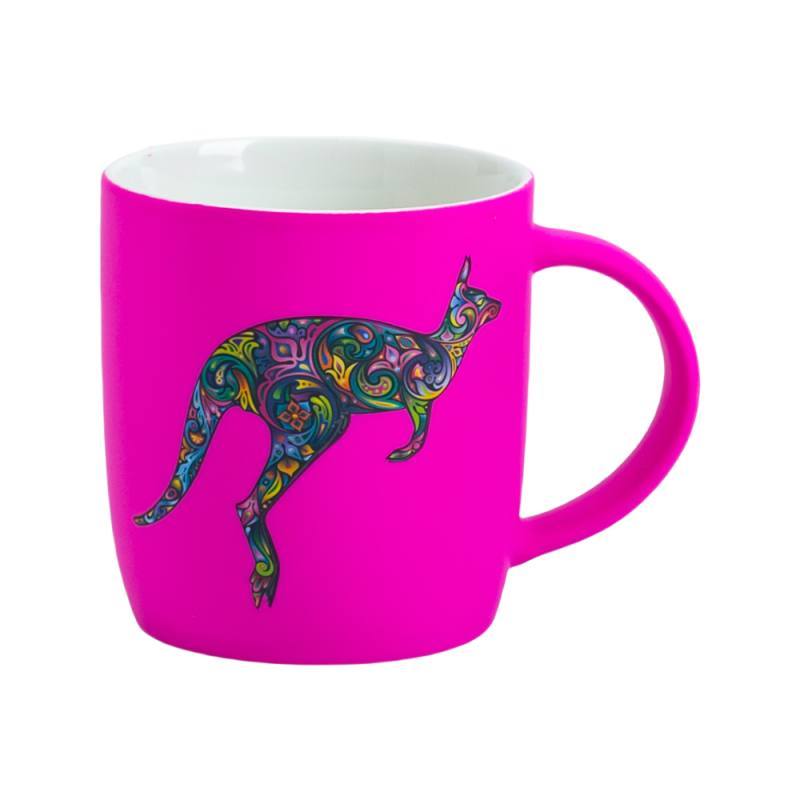
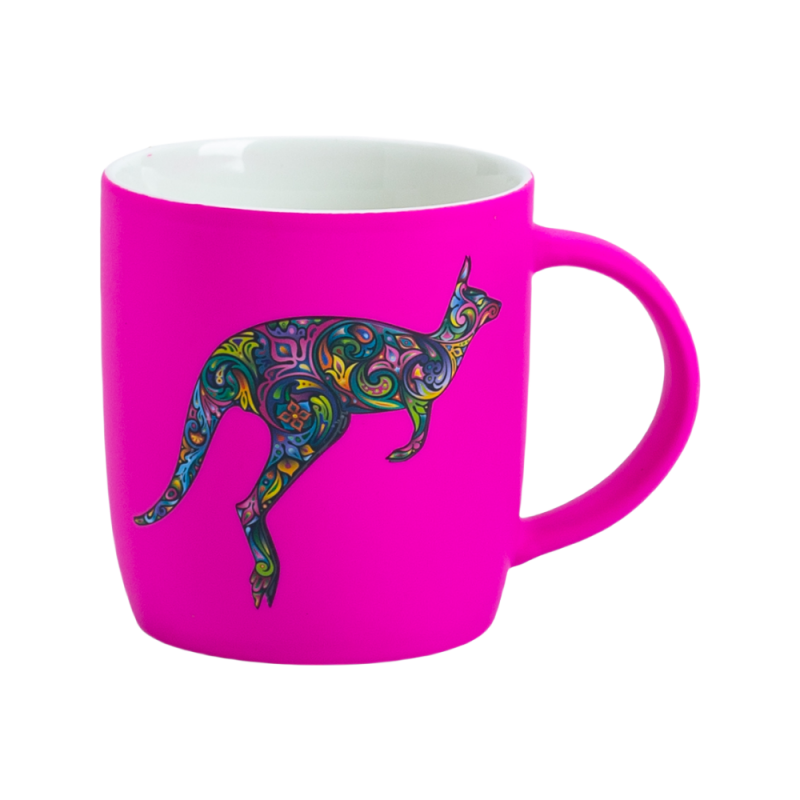
Products in this guide: Soft Touch Promotional Mug · Custom Printed Ceramic Mug
Where This Fits in the Sourcing Chain
The specification has to be frozen like any other, and the personalisation layer needs a defined approval point. The spec freeze guide explains how artwork and packing files are locked between orders. Because the item is a gift, the box and the wording carry as much weight as the ceramic. The packaging guide explains how retail-ready and protective layers are specified together. The full chain follows the standard sourcing map. See the full ceramic sourcing process map.
Who Buys, and Why It Repeats
Four buyer types. Personalised gift platforms, which take the base product and apply the name themselves — the largest and most repeatable volume. Gift and card retail, which needs a small, premium, well-boxed item. Hospital and clinic gift shops, which buy in modest volumes with an emphasis on neutral, non-religious design. Photography and baby-brand retail, which bundles a keepsake with a newborn shoot.
What repeats is the structure, not the design: one plate or cup form, one box, one personalisation convention, renewed continuously with new names.
The Product Logic
Three forms work: a small plate or dish that records name, date and weight, which is the most recognisable keepsake; a cup or mug sized for the parents rather than the child, sold as "the first cup in the house"; and a pair — one for the child's shelf and one for the parents' use — which is the structure that carries the best price point.
The Personalisation Reality
The temptation is to promise anything. What actually works: name and date as printed artwork (a different artwork per order, priced and proofed as such); a fixed template with the variable fields left to the buyer's own print or pen, which moves cost out of the factory entirely; and a printed card or tag carrying the details, which is where most platforms already operate. What does not work is promising a photograph on ceramic at a keepsake price point, or assuming that a one-off order carries no artwork cost.
Where the Safety Boundary Sits
This is the item to be explicit about, because the product sits next to a young child. Four points belong in the specification and in the marketing copy. A keepsake is not a toy: if the piece is not intended for use by the child, the labelling should say it is a decorative keepsake rather than an infant item. No small detachable parts, no ribbons that can be pulled off, no loose decorative elements. If it is intended for food use by an adult, the food-contact requirements for the destination market apply in full. Edges and finishes should be free of sharp rims and loose glaze, because this is the one category where a defect carries consequences beyond a refund. None of this is complicated; all of it is cheaper to write into the specification than to discover later.
The Ordering Window and Shape of a Programme
Demand is year-round with no single peak, so the practical programme is a standing order of a standard form with the personalisation handled downstream. For a buyer new to the category: one form, one box, one print convention, ordered in small repeating quantities rather than one seasonal run.
The Habit That Ties It Together
The habit is to ask whether the object is meant to be used or kept, because the answer changes the product, the packaging and the compliance story. Programs that ask it sell a keepsake that arrives correctly described. Programs that do not sell a small mug to a family that expected a record — and meet the safety question afterwards.
Related Products
Explore products featured in this guide:
Have questions? See our Sizes & Finishes FAQ and Ordering & Certifications FAQ.
Need a custom quote? Send an inquiry or browse our full product catalog.