Bisque and Paint-Your-Own Studios: Selling the Blank, Not the Finished Cup
- Share
- Issue Time
- Sep 17,2026
Summary
Paint-your-own pottery studios, event venues and DIY kit brands buy ceramics in their unfinished state. It is a distinct product with its own specification — and a channel most finished-goods suppliers never look at.
The Problem: The Product Is the Blank
Every other category in this business sells a finished object. This one sells the version before the finish — bisque, the piece that has been shaped and fired once and has not been glazed or decorated. It is bought by paint-your-own pottery studios, by event venues running pottery as an activity, by hotels and camps offering guest workshops, and by brands selling take-home kits. The requirements are almost the inverse of a decorated range: the surface has to accept paint, the shape has to be forgiving in inexperienced hands, and the price has to be low enough that a studio can charge for the activity rather than the object.
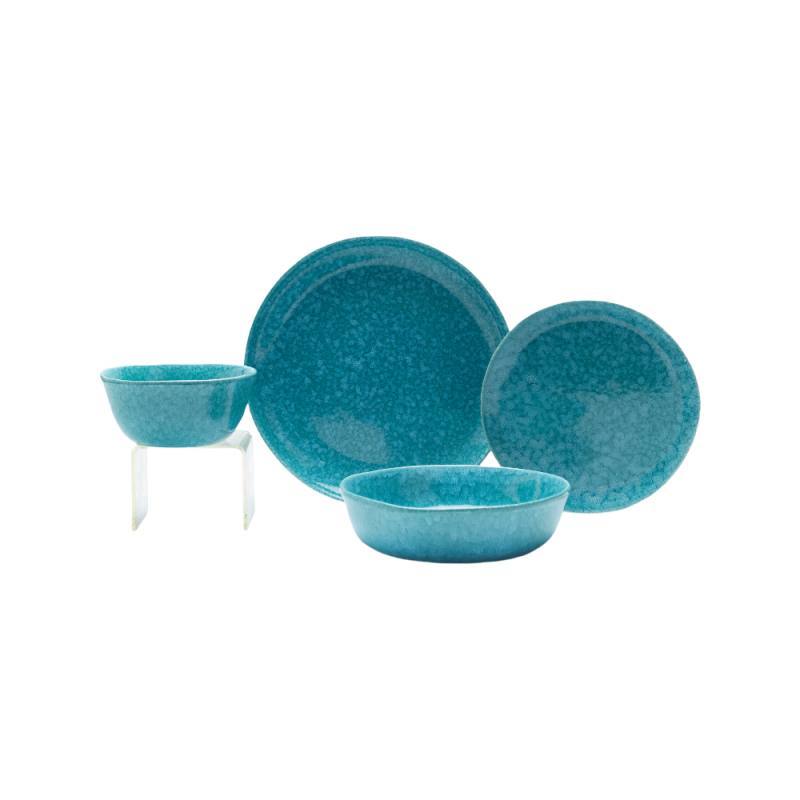
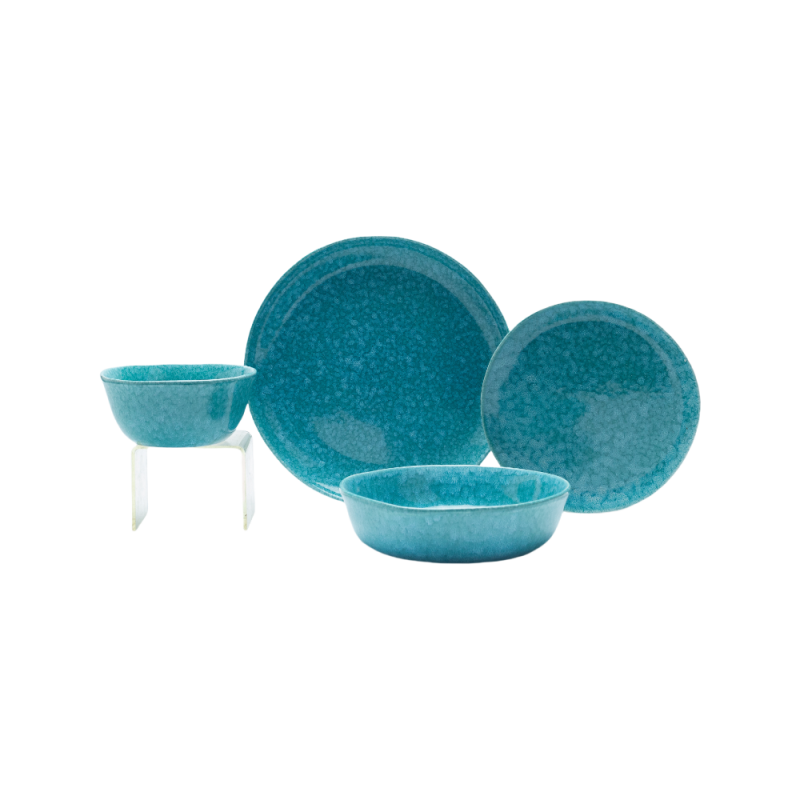
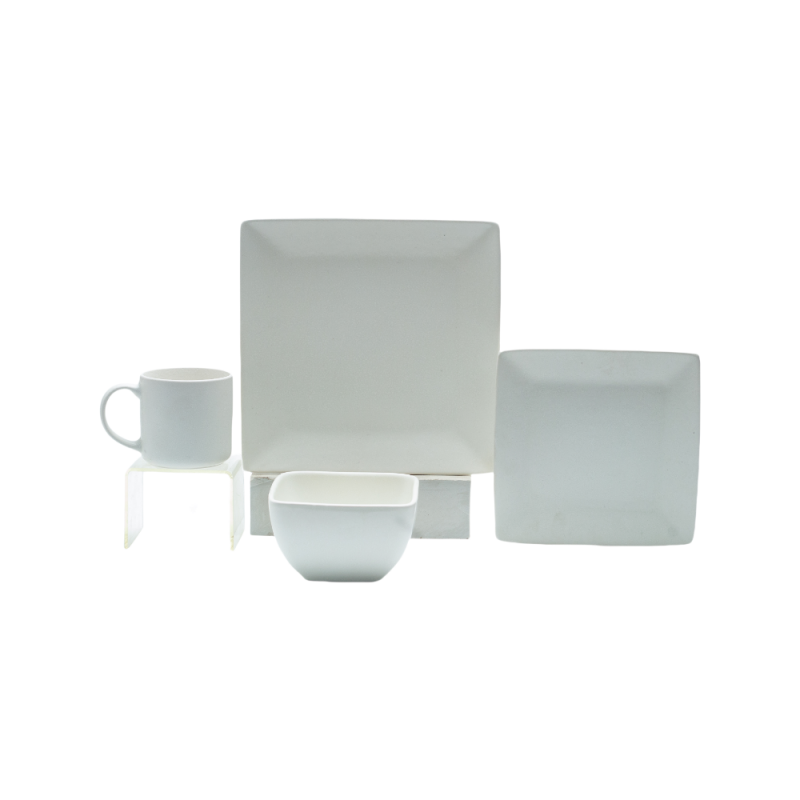
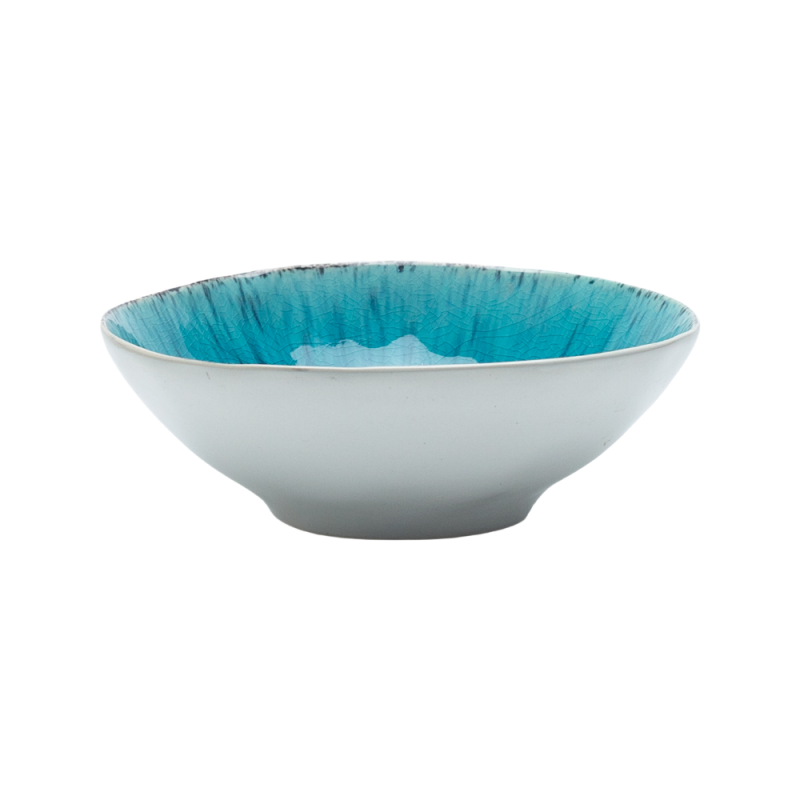
Products in this guide: 4-Piece Teal Blue Crystalline Glazed Stoneware Dinnerware Set · Minimalist White Square 4-Piece Porcelain Dinnerware Set
Where This Fits in the Sourcing Chain
The specification is the material and the finish state rather than the decoration: a consistent body, a clean unglazed surface and a shape that survives handling by beginners. The spec freeze guide explains how artwork and packing files are locked between orders. Where the piece travels as a kit, the pack includes the consumables and carries the safety information. The packaging guide explains how retail-ready and protective layers are specified together. The full chain follows the standard sourcing map. See the full ceramic sourcing process map.
The Bisque Specification
A consistent, absorbent body. The piece is painted and then glazed and fired by the studio, so the body has to take underglaze evenly and behave predictably in a second firing. Inconsistency shows up as patchy colour, which is the most common complaint in the channel.
A shape that forgives. Wide rims, generous surfaces, no narrow necks and no fiddly recesses. A mug with a large flat panel is a better studio product than an elegant one with a curved and interrupted surface, because most customers are beginners.
Durability in the green and bisque states. Studio pieces are handled repeatedly before they are finished, which means chipping at the bisque stage is a real cost. Edges should be robust and packaging should protect against contact in transit.
Consistency across the range, because a studio builds its pricing on standard sizes and its shelves on stackable shapes.
The Forms That Sell
The mug, by a wide margin: it is the object people want to paint, and it is the piece they take home and use. A plate or a small dish, which presents a flat canvas and suits children's activities. A bowl, popular in studio ranges because it is useful and presents well when painted. Figurines and banks, which are the classic studio shapes and remain saleable despite being decorative. And for kits: a single mug with a small paint set, a brush and instructions, which is a complete product rather than a blank.
What the Kit Version Requires
Four elements, beyond the ceramic. Paints and brushes in quantities that match the piece, supplied as a kit component rather than separately. Instructions that are genuinely clear, because a kit is used without a teacher. Glaze and firing guidance — usually the honest statement that the piece needs a final firing by a studio or a kiln, since a kit that cannot be finished creates a disappointed customer. Age and safety labelling, because kits attract children and the contents include paint: the labelling has to be correct for the destination market.
Who Buys, and the Ordering Pattern
Paint-your-own studio chains, buying blanks in repeated standard quantities — the most valuable account in the channel, because the volume is continuous. Event and party venues, buying kits or blanks for activities, with a seasonal pattern around holidays and school breaks. Hotels, resorts and camps, buying blanks for guest programmes. DIY kit brands and craft retail, buying the packed kit version, with a strong fourth-quarter peak.
Demand in the studio channel is continuous rather than seasonal, with the peaks following school holidays rather than retail seasons. For a kit programme aimed at the year-end gift season, the order belongs in May to July alongside the other gift ranges, and the kit components should be ordered in the same production window as the ceramics so that the finished product arrives complete. The replenishment calendar maps the ordering windows for the whole year.
The Habit That Ties It Together
The habit is to ask whether the customer wants the object or the experience. Programs that do this sell blanks by the thousand into a channel that most suppliers never quote for.
Related Products
Explore products featured in this guide:
Have questions? See our Sizes & Finishes FAQ and Ordering & Certifications FAQ.
Need a custom quote? Send an inquiry or browse our full product catalog.