Brewing Gear in Ceramic: The Coffee Line Beyond the Mug
- Share
- Issue Time
- Sep 15,2026
Summary
Specialty coffee creates demand for brewing equipment, not only for cups — drippers, servers, jugs and cupping vessels. It is a technically demanding and unusually loyal category once a supplier gets the details right.
The Problem: The Equipment Is Part of the Sale
Specialty coffee changed what a mug is for. In a café or a serious home setup, the vessel is not only what the drink is served in but part of how it is made — and that has created a category of ceramic brewing equipment that most tableware suppliers never consider. The demand is smaller than drinkware and considerably more technical, but it is also remarkably loyal: a café that adopts a brewer keeps buying it, and a roaster that bundles one with a subscription repeats monthly.
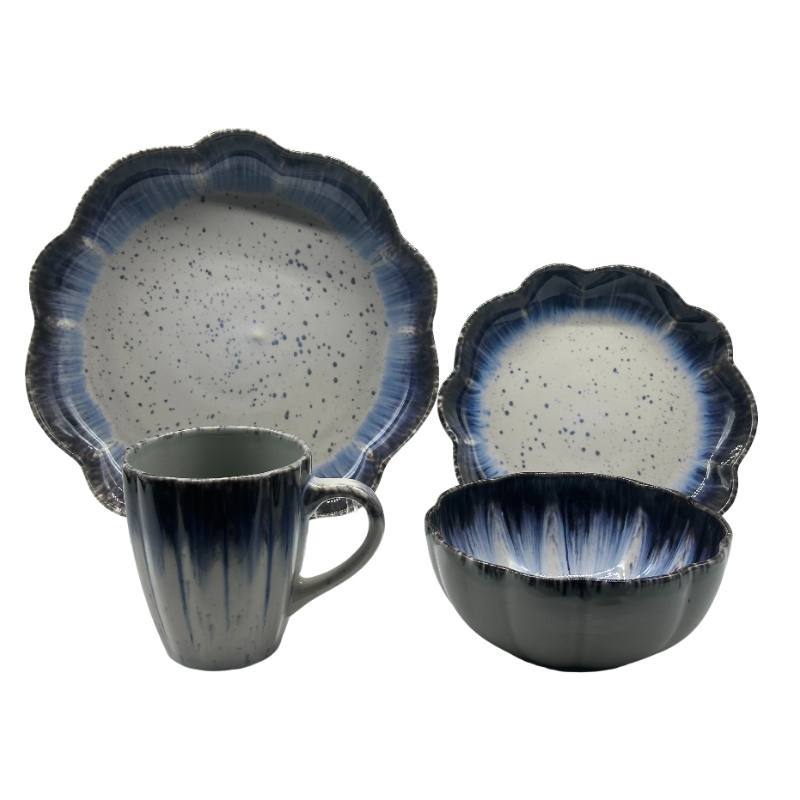
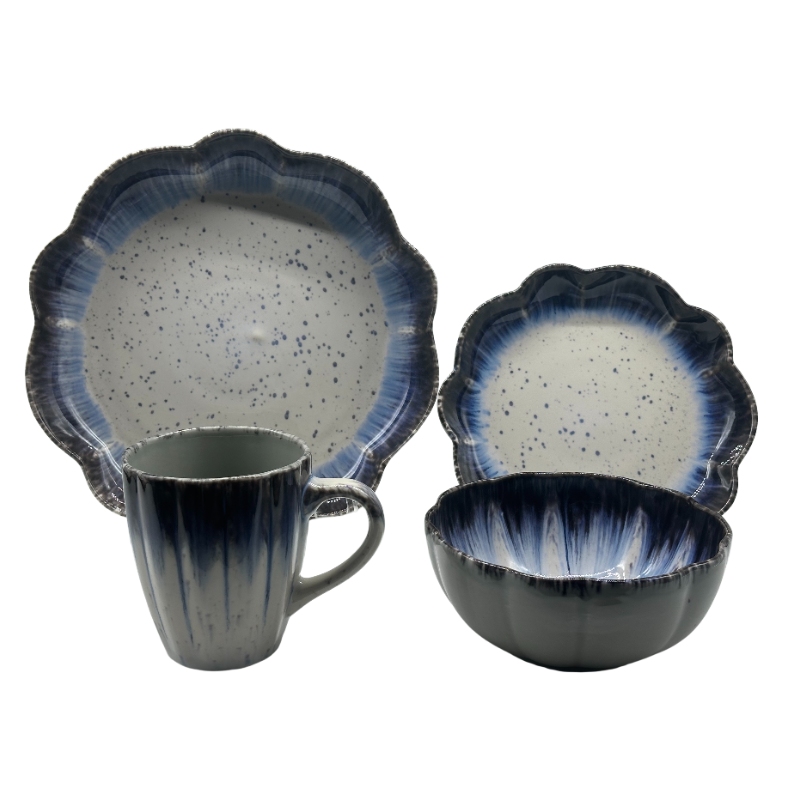
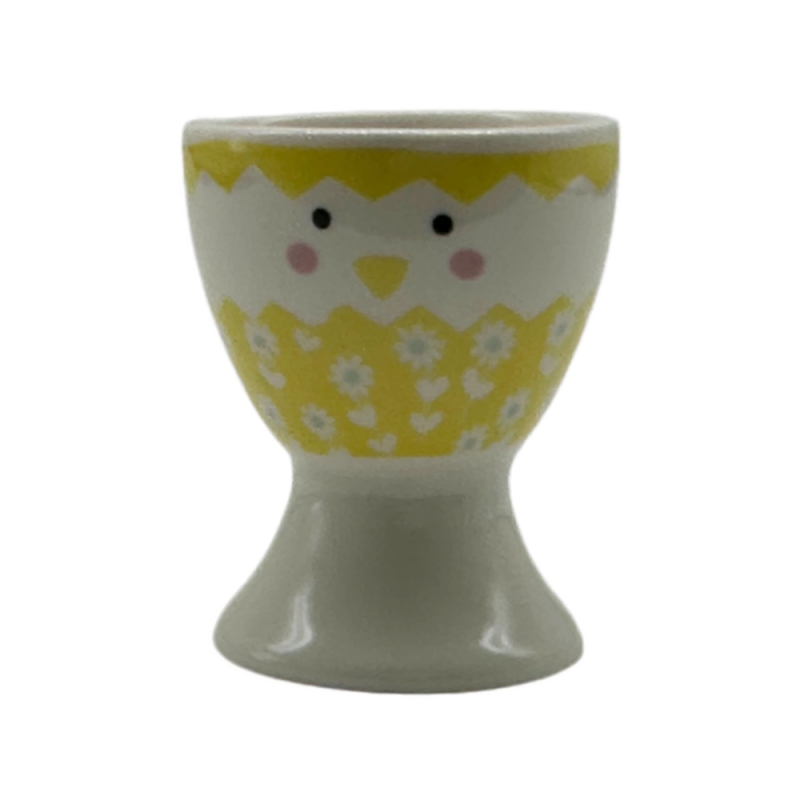
Products in this guide: 16-Piece Ceramic Stoneware Reactive Glaze Dinnerware Sets · Cute New Bone China Egg Cup – Chick Design Ceramic Egg Holde for breakfast
Where This Fits in the Sourcing Chain
This is a specification-first category: geometry, thermal behaviour and glaze neutrality decide whether the product works. The spec freeze guide explains how artwork and packing files are locked between orders. Where the buyer bundles the piece with a subscription or a retail set, packaging travels with the product. The packaging guide explains how retail-ready and protective layers are specified together. The full chain follows the standard sourcing map. See the full ceramic sourcing process map.
The Forms and What Each One Has to Do
The pour-over dripper. A cone or flat-bed brewer that holds a paper filter. The critical variables are the internal angle and the exit aperture, which together govern the flow rate, and the thermal mass of the material, which keeps the water temperature stable during the pour. This is the piece where a ceramic version competes best against plastic, because heat retention is a genuine advantage.
The server or carafe. What the coffee brews into. It needs a precise spout — a poor spout is the single most common complaint in the category — a comfortable handle, and a capacity that matches a brew of two to four cups.
The milk jug. For frothing and pouring latte art. Small, with a sharply defined spout and a handle positioned so the jug can be rotated in the hand. The specification is dominated by the spout geometry.
Cupping bowls and professional cups. Used in tasting; the requirement is consistency, because a tasting session compares samples across identical vessels, and stackability for storage.
The brewing mug, with a built-in dripper or a lid, which is the giftable form and the one most likely to sell in retail rather than in supply.
The Three Specification Realities
Glaze neutrality. Coffee is acidic and staining, and a reactive or porous glaze will absorb it. An interior that is smooth, fully vitrified and neutral in taste is a functional requirement, not a finish preference.
Thermal behaviour. Ceramic retains heat, which is an advantage in brewing and a consideration in drinking. Where a piece is handled immediately after hot liquid is poured, a handle or a thicker wall is not cosmetic.
Wash and wear. Café equipment is washed repeatedly at high temperature, so decoration must be underglaze or in-glaze, and any metal or applied element should be avoided.
Who Buys
Specialty cafés and coffee bars, buying brewers and servers in modest quantities with high expectations — the segment where a specification error is fatal and where a good product becomes standard across a chain. Coffee roasters and subscription services, bundling a brewer or a server with beans, which is a repeat order. Specialty coffee retail and online, which sells the equipment to enthusiasts and prizes the physical sample. Hotel and hospitality, which buys servers and cups for breakfast service in larger, less technical volumes.
The Ordering Pattern
Demand is year-round, with the fourth quarter the strongest for retail and gifting, and no dominant seasonal peak in supply. Two features distinguish the ordering: small initial quantities followed by repeat orders, because a café tests a brewer before standardising; and priority on consistency, because the second batch must match the first exactly — a brewer that performs differently from the sample is worse than no brewer at all. The spec freeze guide explains how artwork and packing files are locked between orders. For a retail or gift programme, the fourth-quarter window puts the order in May to July; for café supply, an order can be placed at any point but a sample round should be budgeted before the first production. The replenishment calendar maps the ordering windows for the whole year.
The Habit That Ties It Together
The habit is to treat this as equipment rather than as tableware. Programs that do this win a small, technical and very sticky category. Programs that do not send a nice cup to a buyer who needed a working brewer.
Related Products
Explore products featured in this guide:
Have questions? See our Sizes & Finishes FAQ and Ordering & Certifications FAQ.
Need a custom quote? Send an inquiry or browse our full product catalog.