Building an Asian Tableware Line: Sushi, Noodle Bowls and the Chopstick Problem
- Share
- Issue Time
- Sep 23,2026
Summary
A Japanese or Chinese tableware line is not a set of bowls with a theme applied. The pieces have to work together — capacity, depth, rim, stacking and a chopstick rest that matches — and that is where most ranges fail.
The Problem: A Line, Not a Theme
Restaurants and retailers buy Asian tableware as a line: a set of pieces that have to work together on a table and in a dishmachine. The failure mode is familiar — pieces chosen individually for their appearance, which then differ in glaze tone, in rim treatment, in stacking height and in how they behave when stacked wet. Four specifications decide whether the line works, and they are usually missing from the brief.
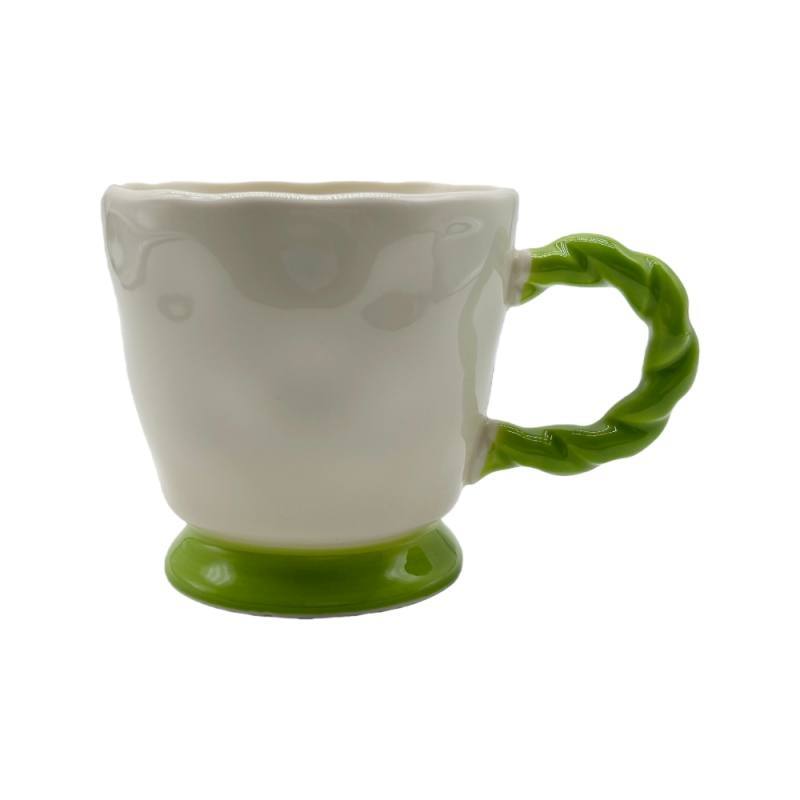
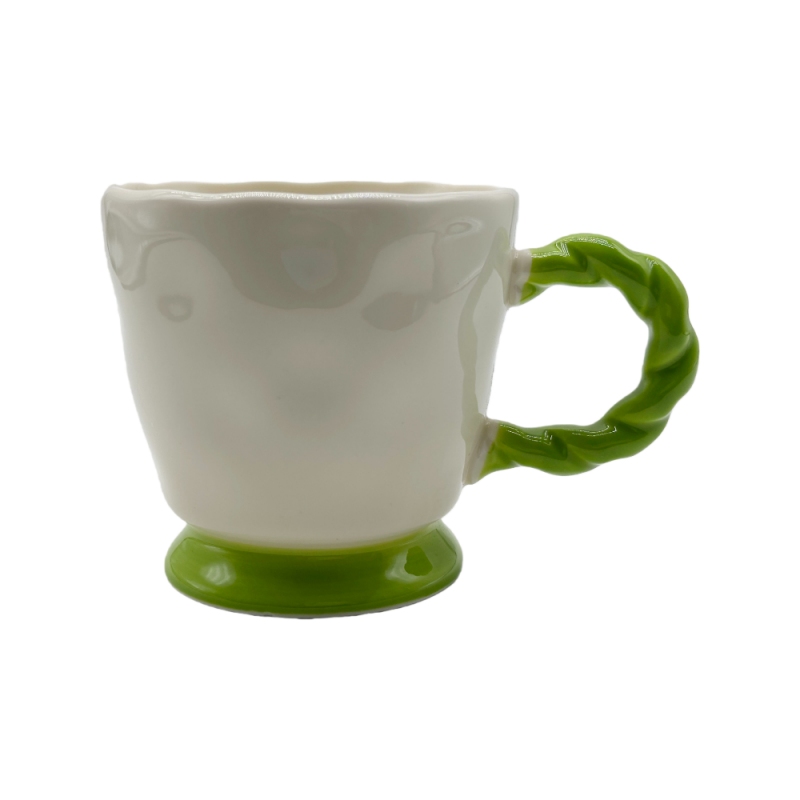
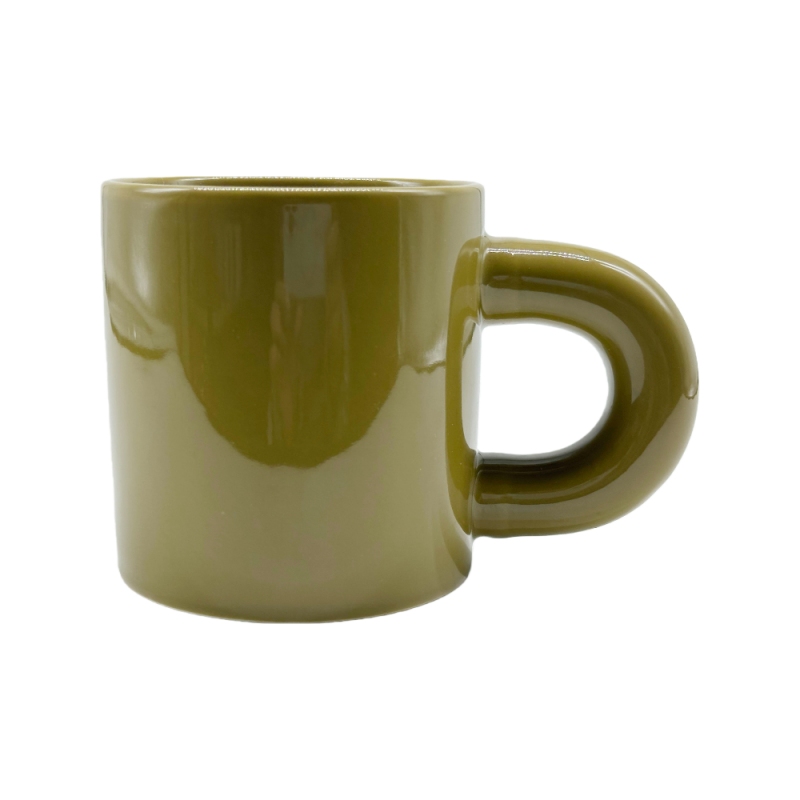
Products in this guide: Custom Design Ceramic Mug with Twisted Handle · New Bone China Ceramic Mug
The Four Specifications
Capacity and depth per role. A rice bowl, a noodle bowl and a soup bowl are different vessels even at similar diameters. The brief should state capacity and depth, because depth decides whether a garnish stays in the bowl when it is carried across a dining room and whether a spoon rests without sliding out.
Rim form and lip clearance. A ramen bowl is drunk from, so the rim needs a form that is comfortable and a glaze that does not run out of the lip. This is the same logic as a mug rim — and it is where a bowl that looks right in a photograph fails in use.
Stacking. Restaurant storage is dense. A line that stacks badly costs a shelf, and one that nests too tightly in a hot dishmachine is a hazard. The brief should state a nesting height and a maximum stack, tested on glaze — because two glazed surfaces can stick after a hot wash.
Chopstick and rest matching. Chopsticks are supplied in wood, bamboo or ceramic, and the rest is a ceramic piece in the same line. The detail that breaks a set is the rest's dimensions: too shallow and the chopsticks roll off; too deep and it reads as a different design language. It is worth specifying the rest together with the chopsticks it will hold.
The Other Three Questions
Glaze family across pieces. A line is judged as a whole. If the plates are a reactive glaze and the bowls are a flat colour, the table reads as assembled rather than designed. The glaze family should be one decision covering the line, with the same pair-standard discipline used for reactive glazes.
Firing and thermal behaviour. Bowls take hot liquid and go into a dishmachine more often than most pieces. Thermal cycling is the test that matters, and it should be run on the specific item rather than assumed from a mug.
Decoration with chopsticks in mind. Where a decoration is printed, the surface will be scraped by chopsticks and spoons. A rim decoration in the strike zone is a decoration that will look worn within a season; the practical rule is to keep the print below the strike line, or to use a fired decoration rather than a surface print.
Set Logic for Retail
For retail, the set is the product. Three configurations cover most demand: a two-piece set (bowl plus rest), which is the gift and trial format; a four-piece set for a household; and a table service of coordinated bowls and plates. In each case the specification should state:
- Which pieces, at what capacity.
- Whether pieces are matched within the set on glaze tone — the set-matching rule that applies to reactive glazes applies here too.
- Whether the pack is retail-ready, with the pieces held apart so they cannot strike each other in transit.
- The replacement logic: which pieces can be reordered individually, because sets sell and single pieces break.
Questions to Ask a Supplier
- What capacity and depth are recommended for each role in this line?
- Is the rim formed for drinking, and what is the glaze behaviour at the lip?
- What is the tested nesting height, and do the pieces stack wet without sticking?
- Can the chopstick rest be specified in the same glaze family as the bowls?
- What thermal-cycle testing has been run on the bowls specifically?
- Which pieces can be reordered individually, and from the same body and glaze?
The spec freeze guide explains how artwork and packing files are locked between orders.
What to Put in the Order
- Capacity and depth per piece, with the role named.
- The glaze family across the line, with the pair standards where reactive.
- A nesting specification and a maximum stack.
- The chopstick rest dimensions matched to the chopsticks supplied.
- The set composition and packing, with pieces held apart.
- A thermal-cycle requirement for the bowls.
The packaging guide explains how retail-ready and protective layers are specified together.
The Habit That Ties It Together
The habit is to design the line rather than the piece. Programs that do this get a table that looks intentional, a shelf that holds the stock, and sets that can be replenished one piece at a time.
Related Products
Explore products featured in this guide:
Have questions? See our Sizes & Finishes FAQ and Ordering & Certifications FAQ.
Need a custom quote? Send an inquiry or browse our full product catalog.