Care Instructions for Ceramic Ware: The Page That Prevents the Complaint
- Share
- Issue Time
- Sep 28,2026
Summary
Most damaged-crockery complaints are not defects. They are use: thermal shock, a dishwasher cycle, a metal-marked spoon, a gold rim in a microwave. Writing the care instructions properly is a commercial decision, not a formality.
The Problem: Claims Meet Use
A ceramic piece arrives with a claim — dishwasher safe, microwave safe, "premium finish" — and meets a household that has never read anything. The complaints that follow are mostly not manufacturing defects: they are thermal shock, metal marking, decoration damage and microwave incidents, all of which are predictable and almost all of which are preventable with three printed lines.
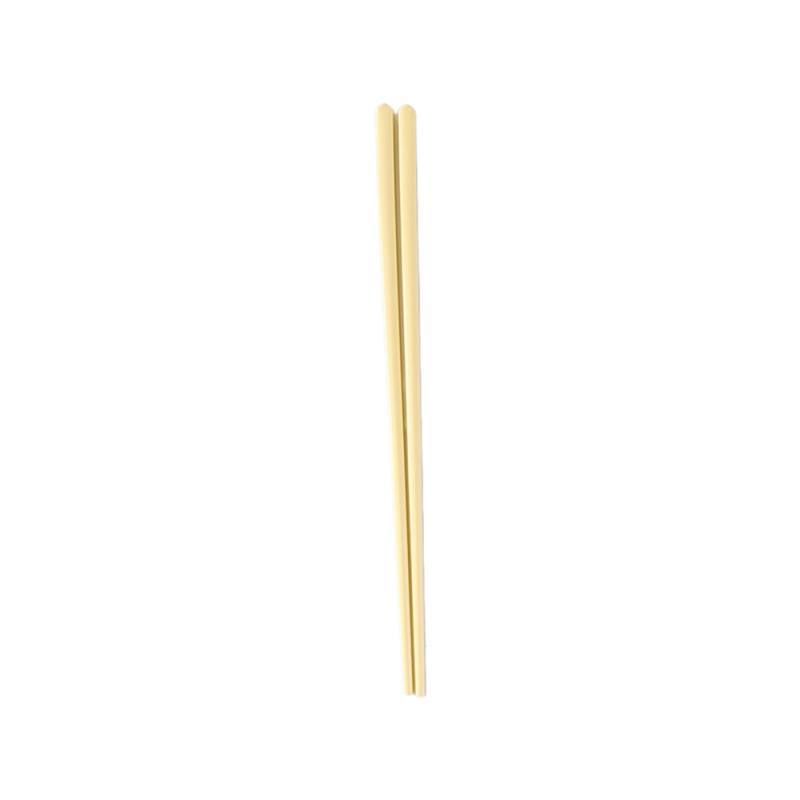
Products in this guide: Cream Style Ceramic Chopsticks Set · Luxury Wave Ceramic Salad Bowl
Four Statements Worth Writing
Dishwasher: a figure, not an adjective. "Dishwasher safe" means very different things to a buyer and a factory. The defensible statement is a tested cycle count — the piece has been tested to a defined number of cycles in a commercial machine with a defined detergent — plus the practical note that high-temperature cycles and abrasive detergents shorten any ceramic's life. Writing the figure protects the supplier and informs the customer.
Microwave: stated per item, not per range. A mug may be microwave safe while a plate with a metallic decoration is not. The instruction should be per item, and where metallic decoration is used the guidance must be explicit — microwave incidents are the most common source of damage claims in decorated ware, and the most expensive to argue.
Thermal shock, written as a habit. Pouring boiling water into a cold mug, or moving a hot dish to a cold surface, is the classic failure that a customer reports as "it cracked by itself". The useful wording is behavioural: pre-warm or pre-cool, avoid direct transitions between oven, fridge and dishwasher, and never place a hot piece on a wet or cold surface.
Metal marks and cutlery. Grey lines on a plate are usually not a defect: they are metal transfer from a knife or fork, and they come off with a mild abrasive cleaner. Saying so in the care text removes a whole class of complaint at no cost.
Gold and Metallic Decoration
Metallic finishes deserve their own paragraph, because they carry three constraints: no microwave, hand wash preferred or a low-temperature cycle, and no abrasive cleaners. Their durability is also a specification question rather than a care question — a fired metallic decoration with a defined rub resistance is a producer's decision, and the buyer should ask which test supports it.
Format and Placement
Care instructions are only useful if they arrive with the piece. Three practical formats, in increasing cost:
- A line on the retail pack — cheapest, and the one that reaches the customer at the moment of purchase.
- A card in the box — better for gift and premium lines, and it can carry the brand.
- A care page on the product's online listing — where the majority of buyers now check, and where a missing statement becomes a support question.
Where a retailer has its own care standards, the wording usually has to match their format; asking for their template before printing avoids a reprint.
Questions to Ask a Supplier
- What dishwasher cycle count has this item been tested to, and in what machine and detergent?
- Which items in the range are microwave safe, and which carry metallic decoration?
- What metal-mark guidance is standard for this body and glaze?
- What rub or abrasion testing supports a metallic decoration?
- Can the care text be printed on the pack in our required languages?
- Does the factory hold a standard care sheet we can quote to our own customers?
The spec freeze guide explains how artwork and packing files are locked between orders.
What to Put in the Order
- The tested dishwasher figure, and the machine type used.
- A per-item microwave statement, including the metallic exceptions.
- Thermal-shock wording written as behaviour, not as a warning.
- Metal-mark guidance in the care text.
- A metallic decoration specification with its rub-resistance evidence.
- The care format and languages, agreed before printing.
The packaging guide explains how retail-ready and protective layers are specified together.
The Habit That Ties It Together
The habit is to treat the care text as part of the specification rather than as the last paragraph of a label. Buyers who do this spend less time answering complaints that were never about the product in the first place.
Related Products
Explore products featured in this guide:


Have questions? See our Sizes & Finishes FAQ and Ordering & Certifications FAQ.
Need a custom quote? Send an inquiry or browse our full product catalog.