Chipping: Why Ceramic Edges Fail First and What a Buyer Can Specify
- Share
- Issue Time
- Nov 3,2026
Summary
A chip does not end a piece the way a crack does, so it rarely arrives as a claim. Where edges actually fail, what decides resistance at mould and body stage, and the six lines that belong in a bulk order.
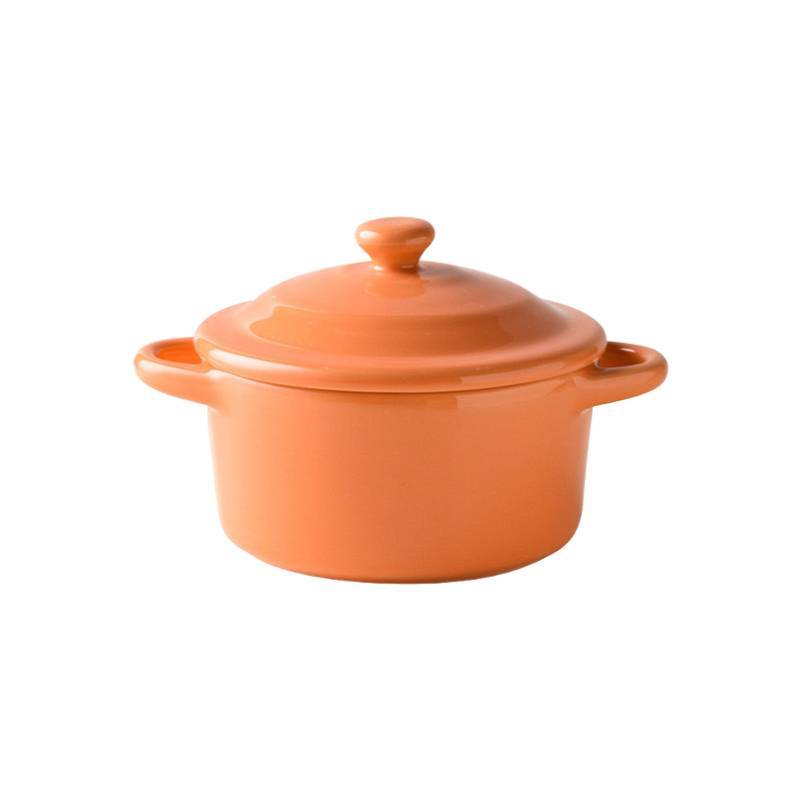
A chipped mug still holds coffee. It pours, stacks, and survives the dishwasher. What it loses is its status: the hotel pulls it off the floor, the retailer cannot shelve it, and the buyer orders replacements earlier than planned. That is why chipping rarely arrives as a complaint. It arrives as a purchase order.
Products in this guide: Colorful Mini Ceramic Bowls · Porcelain Kids Bowl
Cracks end a piece in one event. Chips are a rate, easy to absorb and expensive to keep absorbing. In foodservice the edge goes first, and rarely because a guest dropped it.
Most of what decides this is fixed before the first decoration is printed: rim profile, body density, glaze fit, and how pieces sit in a carton. A buyer who specifies none of it has not chosen a neutral default; the factory default has chosen for them.
A chip is concentrated stress, not bad luck
Ceramic cannot absorb impact by bending, so energy arriving at an edge has three destinations: elastic deformation, the glaze layer, or a fracture. A sharp edge offers little material to deform, so the energy per unit volume is high and a crack starts at the surface and removes a flake. Round that edge and the same impact spreads across a curve; the piece survives.
Hardness is therefore the wrong question: a harder body resists scratching and fails in flakes when it gives way. What a buyer wants at the edge is toughness, which comes from geometry, body and glaze together.
The four edges that fail
- The rim. The most exposed line on the piece, meeting saucers, other cups, tray edges and shelves. Most chips start here, and most are concentric knocks straight onto the lip.
- The foot ring. Unglazed, in contact with every surface, often ground flat so it does not scratch tables. Grinding removes material and leaves a stressed contact line.
- The handle root. The two junctions, not the handle. A knock loads the joint like a lever, and the wall above the lower junction is thin.
- Stacking contacts. One foot resting inside another. Vibration and sliding abrade both surfaces, and the damage shows as a ring of small chips rather than one.
Geometry is a tooling decision
The mould decides the edge. A rolled or beaded rim is formed by the profile and survives commercial handling. A cut edge reads crisp and suits minimal ranges, but presents a corner with the least material behind it. A chamfer sits between the two, removing the fragile corner without softening the silhouette.
The trade-off is honest. Rounding costs an operation and changes how the lip feels, which matters for espresso and anything drunk slowly. Leaving it square saves that step and shifts the cost to replacement. Neither is wrong; the mistake is discovering which one you bought after a quarter in service.
The foot ring carries the same decision: a ground foot sits flat without rocking but can be left with a stressed edge, while an unglazed foot left as fired is tougher and rougher in contact.
Why a harder body can chip more
Vitrification sits behind most of this. A densely fired body has low water absorption, a hard surface and a bright ring when tapped; it also has less capacity to absorb impact, so damage appears as a chip instead of a bruise. A more open stoneware body takes energy better and is forgiving at the edge, but it is softer and needs a well-fitted glaze to avoid crazing.
Porcelain sits at the dense end, bone china at the extreme: thin, translucent and least tolerant of edge contact, which is why it rarely appears in hotel ware. The buyer-visible proxy is water absorption, a number the factory already tests.
A quieter factor is consistency: two pieces from one carton can differ in edge strength if the kiln load was uneven. That is how a chip rate looks random while the cause sits in a firing position.
The glaze decides how bad a chip looks
A glaze fitting in slight compression acts as a skin under load and hardens the edge against small impacts. A glaze in tension is already pulling the surface apart, and a chipped edge will craze around the damage, letting colour into the body. In foodservice a stained chip reads as hygiene rather than cosmetics, and the piece leaves service at once.
Decoration near the rim makes it worse. A gold or platinum band sits on the glaze and leaves with any chip; no touch-up survives a dishwasher. If the design puts a line a few millimetres from the lip, the chip rate you accept is also the rate at which the design fails.
What inspection sees and what it does not
Visual inspection catches chips already there, not an edge weakened but intact, which is the piece that fails in month three. Two checks close most of the gap.
Unpack a carton and run a finger and a low-angle light along every rim; a chip shows as a lighter line where the body is exposed, easiest to see before washing. Then ask for the impact test the factory actually runs: a controlled weight dropped onto the rim, recording the energy at which chipping begins. Ask for method and energy both, because a pass mark without them is an opinion.
What belongs in the order
Six lines do most of the work:
- Edge profile, named: beaded, cut or chamfered, with a minimum radius if beaded.
- Body, named, with a maximum water absorption.
- Glaze fit, stated as no crazing at the edge after the wash exposure your channel requires.
- Impact test: method, energy and sample size.
- A packing rule that keeps rims apart, plus a stacking limit per carton.
- How chips are handled: what counts as a manufacturing chip at unpacking, what counts as service damage, and what evidence a claim needs.
The last line matters more than buyers expect. A chip found in the carton is a manufacturing defect with a batch code attached. A chip after six months of service is a rate, managed with replacement volume rather than argued piece by piece. Settling which is which before the first shipment prevents an argument that runs for a year.
Lines five and six must survive a reorder or a change of decorator, so they belong in the frozen specification rather than an email: The spec freeze guide explains how artwork and packing files are locked between orders.. The packing rule belongs with the protection question: The packaging guide explains how retail-ready and protective layers are specified together..
An edge is the cheapest thing to change at mould stage and the most expensive thing to discover in service. It deserves a line in the specification, not a note in the complaint file.
Related Products
Explore products featured in this guide:


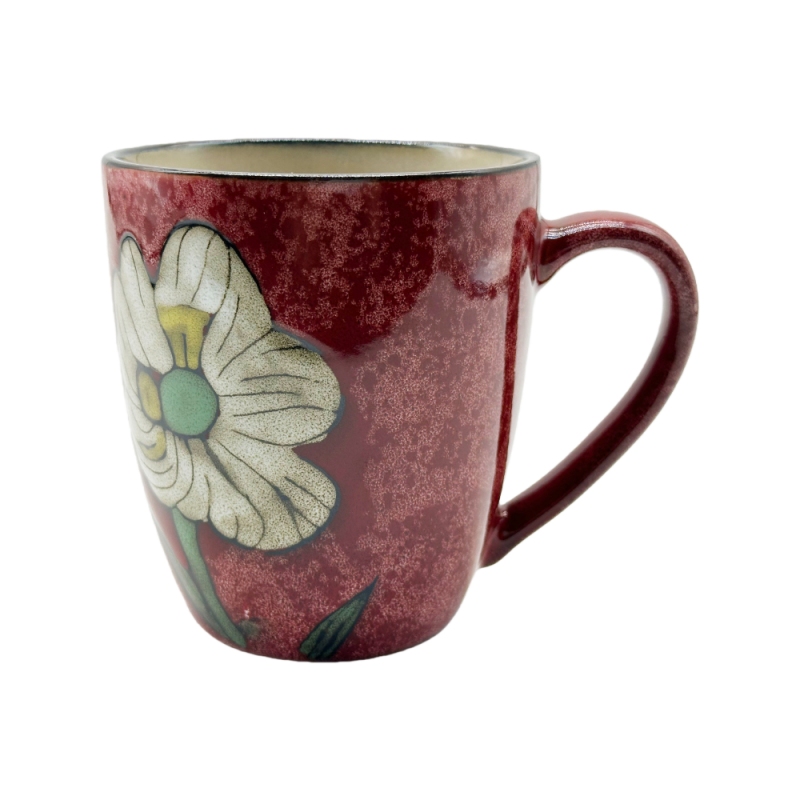
Have questions? See our Sizes & Finishes FAQ and Ordering & Certifications FAQ.
Need a custom quote? Send an inquiry or browse our full product catalog.