Choosing Your Freight Forwarder: The Logistics Partner Behind Every Ceramic Container
- Share
- Issue Time
- Sep 9,2026
Summary
A freight forwarder is the supplier you never put on the purchase order but who decides whether the order arrives on time and intact. This guide covers how to select one for ceramic programs — what to compare, which documents they must handle, and how the relationship should work season to season.
The Problem: The Most Important Supplier Nobody Puts on the Purchase Order
Buyers spend weeks qualifying a ceramic factory and an afternoon picking a freight forwarder — then spend the next year blaming the wrong one when containers arrive late or damaged. The forwarder controls the stretch of the journey where ceramic cargo is most exposed: port handling, transhipment, customs, and the inland leg to your warehouse. A good one behaves like part of your operation — flagging problems before they bite, quoting honestly, and moving your booking when the schedule moves. A poor one behaves like a booking form with an email address. This guide covers how to tell them apart and how to run the relationship once you have chosen.
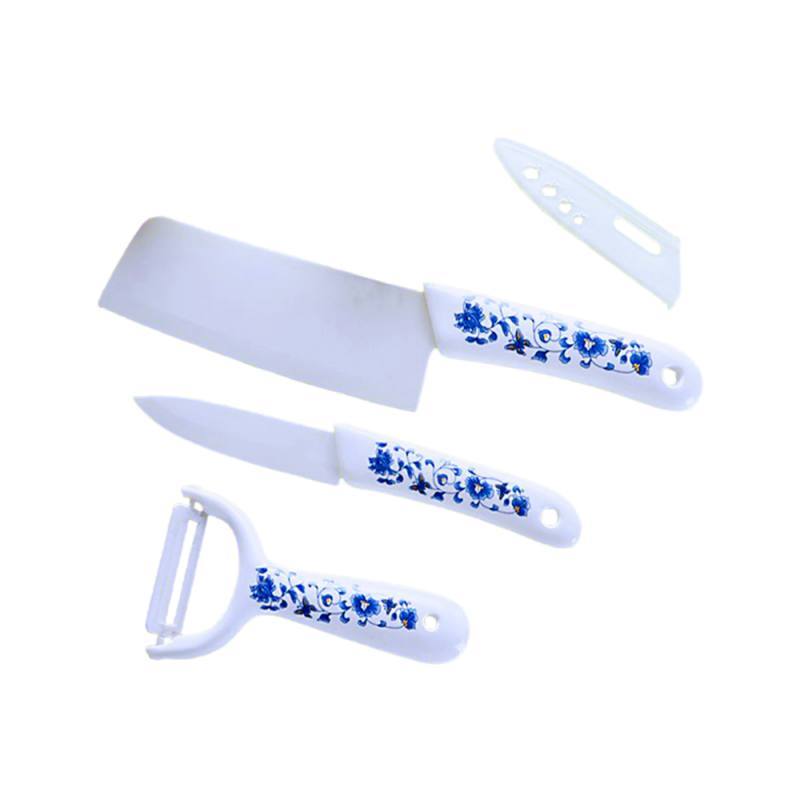
Products in this guide: 3-Piece Ceramic Knife Set · Luxury Ceramic Spice Jar Set
Where This Fits in the Sourcing Chain
The forwarder executes what your purchasing calendar demands — bookings that fit the ordering windows and seasonal waves. The replenishment calendar guide maps the ordering windows for the whole year. Their paperwork joins the shipment file your team already reads. The dock-to-shelf guide explains how receiving closes the bulk order properly. And the first quote you ever obtained should already have carried the logistics information a forwarder needs. The container inquiry checklist shows how to get that first quote right. The full chain follows the standard sourcing map. See the full ceramic sourcing process map.
Selection: Four Comparisons That Actually Matter
- Quote structure, not just the quote. Ask two forwarders to price the same container the same way — ocean freight, origin charges, destination charges, documentation, delivery — itemised. The forwarder whose destination charges balloon after booking has told you something no reference call would.
- Ceramic experience. Fragile heavy cargo has habits: carton stacking limits, pallet patterns, container weight distribution. A forwarder who regularly moves tableware knows which questions to ask before loading; one who mostly moves textiles learns on your cargo.
- Document competence. Bills of lading, packing lists, certificates of origin, and any market-specific paperwork must be produced accurately and on time. Late or wrong documents are the single most common cause of demurrage — ask each candidate how they prevent it, and listen for a process, not a promise.
- Communication under pressure. The test of a forwarder is not the smooth shipment; it is the rolled sailing. Ask how they communicate delays: proactive notice with options, or silence until you notice. The answer separates partners from vendors.
Managing the Relationship Season to Season
The practical rhythm is simple. Quote annually, book per shipment. Rates move with the market; a forwarder who earns your volume year after year will price your routine shipments fairly and find space for you when space is scarce — which is worth more than a one-off low quote in a quiet month. Feed them your calendar. Your ordering calendar tells the forwarder when volume is coming; forwarders plan space and equipment ahead for buyers who share their rhythm, and scramble for those who do not. The replenishment calendar guide maps the ordering windows for the whole year. Keep the paperwork loop tight. Every shipment ends with the same three-question review: did documents arrive before the vessel, did the container arrive within the quoted window, and did any surprise charge appear? Two "no" answers in a season is a conversation; three is a rotation.
The Payoff
A forwarder who knows your cargo, your calendar and your standards becomes an early-warning system for the whole program — capacity pressure, port congestion, document changes reach you as advice instead of as delays. That is the difference between logistics that happens to you and logistics that works for you.
Related Products
Explore products featured in this guide:



Have questions? See our Sizes & Finishes FAQ and Ordering & Certifications FAQ.
Need a custom quote? Send an inquiry or browse our full product catalog.