Coffee Roaster Brand Mugs: The Custom Path from Beans to Retail Shelf
- Share
- Issue Time
- Aug 20,2026
Summary
Why coffee roasters launch their own ceramic mugs, the customization path from logo cups to signature shapes, and retail packaging that sells on the shelf.

The Roastery Shelf Is the New Counter
Ten years ago, a coffee roastery's merchandise meant a paper bag and a sticker. Today, the retail shelf next to the beans is a revenue line — and the ceramic mug is its anchor product. Roasters are launching their own mugs for three reasons that compound: retail margin (a $2.50 mug blank becomes a $22-28 branded item), daily brand touch (a mug on a desk advertises your roast every single day), and coffee culture (owning a signature cup signals that you are a roaster, not just a reseller).
This guide covers the customization path from a simple logo cup to a signature shape, and the shelf-ready packaging that makes the mug sell itself.
The Three-Stage Customization Path
Stage 1: The logo mug (fast, low risk). Take a standard 11oz blank and add your logo — sublimation for full-color art, debossed or embossed for a quiet premium feel. This is the entry point: no tooling, no new shape, and a lead time that fits any launch calendar. Most roasters start here, test sell-through, and then decide whether to invest in their own shape.
Stage 2: The decorated edition (seasonal and signature). Once the logo mug sells, roasters move to editions: a holiday roast mug, a limited single-origin series, a colorway that matches the bag design. Same blank, new decoration — which is cheap and fast because the shape and tooling already exist. This is where the margin starts compounding.
Stage 3: The signature shape (own the product). The final stage is a custom mug shape — a twisted handle, a taller body, a stackable profile — developed with mold tooling. This is a bigger commitment (mold costs, higher MOQ, 6-10 week development), but it makes the mug impossible to copy and anchors the brand. Roasters that reach this stage treat the mug as a product line, not merchandise.
What Roasters Should Specify
Capacity that matches the drinking habit. 11oz is the retail standard, but roasters serving a pour-over audience sell 8oz specialty cups, and cold-brew-focused brands sell 15oz+ formats. Match the mug to the roast story: small cup for espresso single-origin, large format for everyday cold brew.
Color and glaze that photograph well. The mug is a brand asset, and brand assets get photographed. Matte finishes photograph without glare; reactive glazes give each piece a unique surface that reads as "craft" in photos; glossy shows printed art brightest. Choose one finish language and stay consistent across editions.
The logo placement that survives use. A wrap-around print is covered by hands and drink; a logo band near the base, or a debossed mark on the side, stays visible. Think about where the mug sits in photos and on desks, not just where the print looks best in a mockup.
Dishwasher and microwave reality. Retail customers will put the mug in the dishwasher. Confirm dishwasher-safe decoration — this is the #1 source of returns for cheap printed mugs and the #1 reason roasters reorder from a factory that gets it right.
Shelf-Ready Packaging That Sells
The mug competes with the beans for shelf attention, so packaging matters:
- A printed sleeve or box that carries the roast story — same design language as the bag, so the two products feel like one brand.
- A gift-ready format — roasters sell mugs as gifts for holidays and subscriptions; a box that survives shipping and looks gift-able on arrival doubles the use cases.
- The 2-for-1 display — a mug on a branded box next to a bag of the matching roast is the highest-converting shelf unit in coffee retail.
Where the Margin Comes From
The economics are simple: a standard 11oz blank costs a fraction of the retail price, decoration adds a small per-piece cost, and the retail price is set by brand perception, not cost. The mug is one of the highest-margin products a roastery can add — and unlike the beans, it never goes stale. That is why the roastery shelf keeps growing, and why the roasters who treat mugs as a product line, not a promo item, are the ones building real merchandise revenue.
Start with the Right Blank
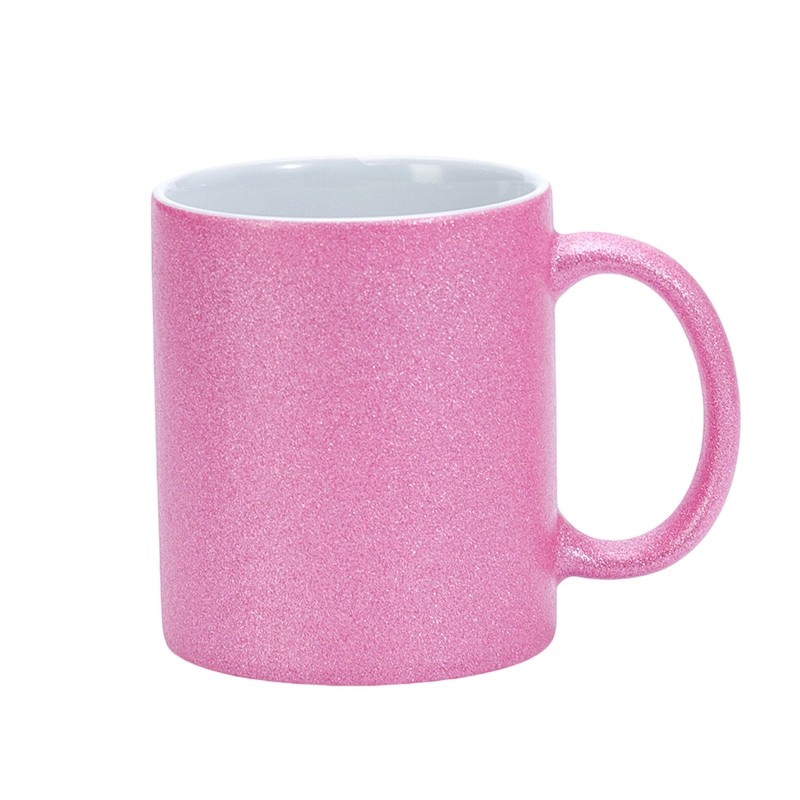
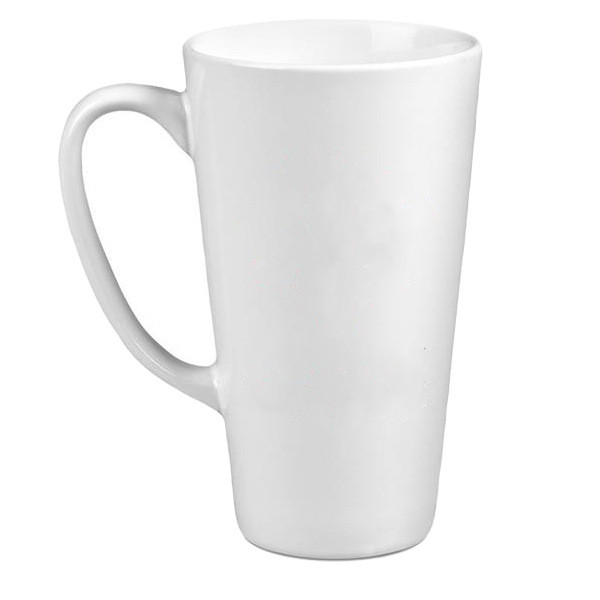
The customization path starts with a blank that takes the decoration you want: sublimation-ready coated mugs for full-color art, smooth latte mugs for a clean canvas, glitter and specialty finishes for limited editions. Our factory supplies sublimation-ready blanks in bulk with consistent coating quality, plus the decoration and custom-shape development to take you from logo mug to signature line. Send us your roast story and target quantity — we will quote the blank, the decoration, and the path to your own shape.
"Mug Blanks for Your Roastery Brand"
Explore products featured in this guide:
Have questions? See our Sizes & Finishes FAQ and Ordering & Certifications FAQ.
Need a custom quote? Send an inquiry or browse our full product catalog.