Comparing Two Ceramic Quotations: Normalising Price, MOQ and Lead Time
- Share
- Issue Time
- Sep 30,2026
Summary
Two quotations arrive, one is lower, and the lower one is often the more expensive. The difference is rarely the factory's efficiency — it is what each quotation includes, and whether the two are being compared on the same basis.
The Problem: The Lower Price Is Usually a Different Offer
Two quotations for the same brief rarely describe the same thing. One includes decoration setup, the other charges it separately; one quotes per design, the other per order; one states a lead time from approval, the other from enquiry. Comparing the headline numbers at that point is not a comparison — it is a coin toss with consequences that appear later, at the sample stage or at loading.
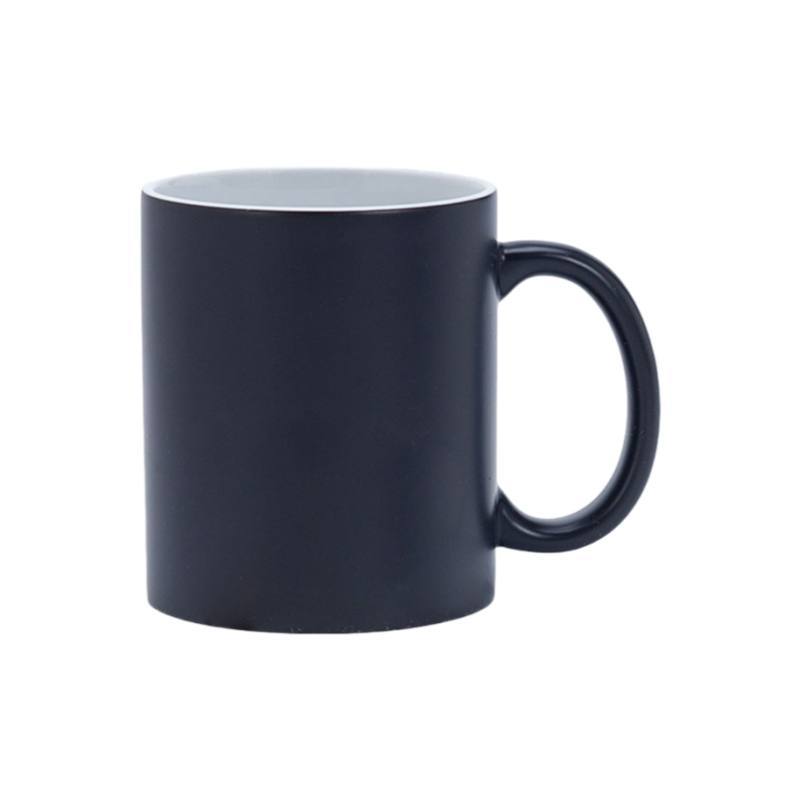
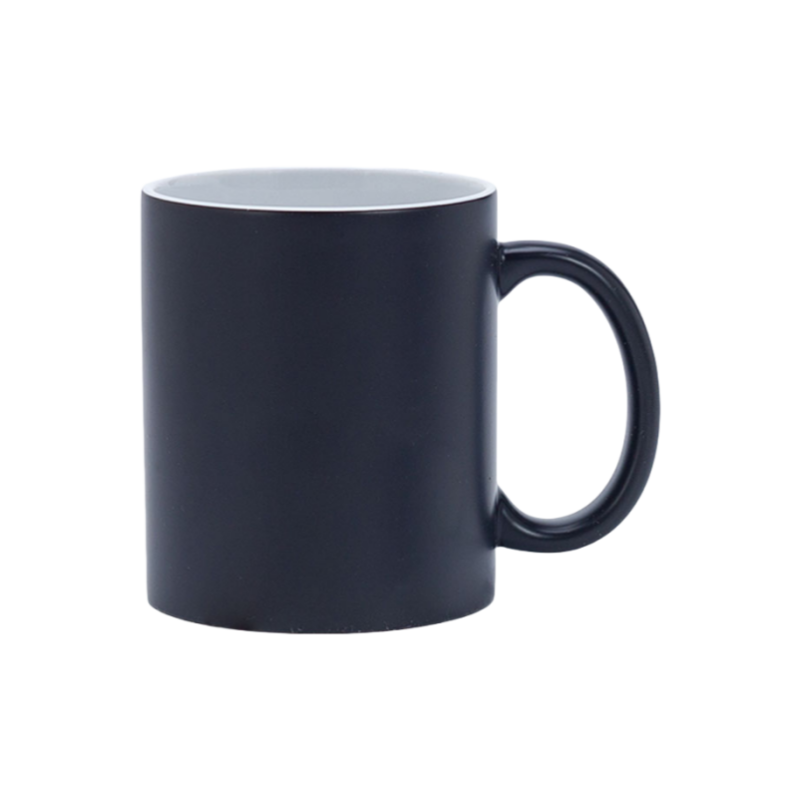
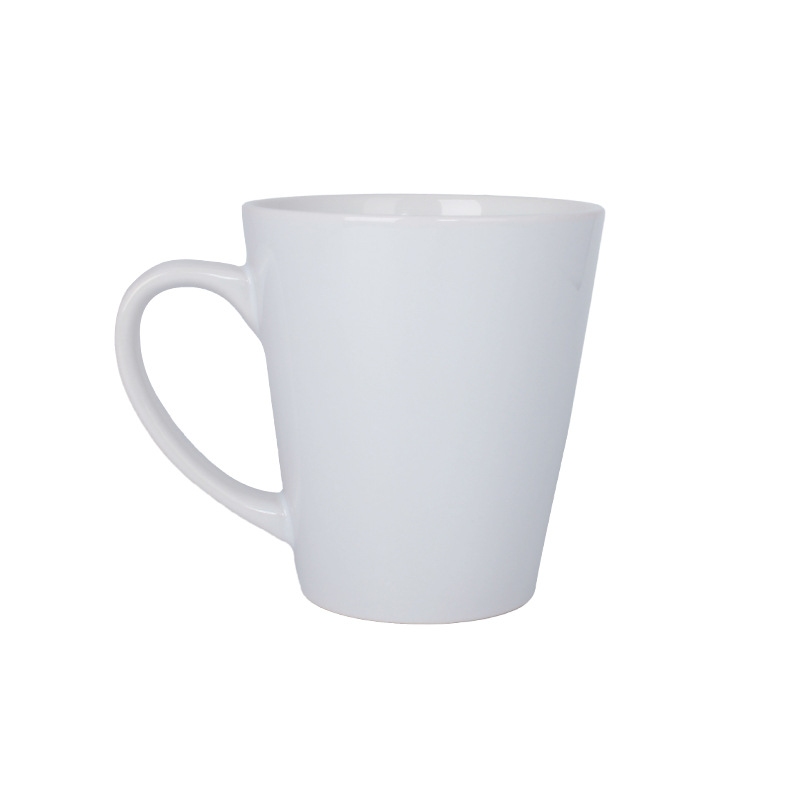
Products in this guide: 11oz Sublimation Magic Mug · Blank Sublimation Latte Mug
Five normalisations turn two quotations into a genuine choice.
1. Normalise to the Same Basis
Put both on a per-item, per-quantity basis: price per piece at your stated quantity, with the quantity split by design shown. If one supplier has quoted a blended figure across designs, ask them to split it, because decoration setup and tooling do not blend — they accumulate per design.
2. List What Is Included, and What Is Not
Build a single line-by-line list for both offers, covering:
- Decoration: method named, setup or plate cost stated, artwork handling.
- Tooling or moulds, if a new shape is involved — and who owns them afterwards.
- Samples: cost, type, and whether it is credited against the order.
- Packing: the method and the carton specification, because "export packing" means very different things.
- Inspection: who arranges it, who pays, and to which standard.
The supplier with the higher unit price and the decoration included is frequently the cheaper one; the arithmetic is only visible once this list exists.
3. Compare MOQ Structures, Not MOQ Numbers
"MOQ 5,000" can mean per design, per order, or per size within a design. The commercial difference is large: a programme with three designs and two sizes is 5,000 pieces under one reading and 30,000 under another. Ask explicitly, and ask whether the quantity can be mixed across SKUs to reach the minimum — that answer often matters more than a five per cent price difference.
4. Compare Lead Times on the Same Clock
Lead time should be stated from approval and deposit, not from enquiry, and it should distinguish production time from material or tooling preparation. A supplier quoting 30 days from approval beats one quoting 25 days with an unstated two-week tooling lead — but only if both are read on the same clock.
5. Compare Landed, Not FOB
Convert both to a landed cost per piece: unit price, plus packing, plus freight and duty at the same Incoterm, divided by pieces per container. An item that is cheaper per unit but packs less densely can be more expensive delivered, and the container maths — pieces per carton and cartons per container — is the number that settles it.
The Two Questions That Decide It
Once normalised, two questions usually settle the choice. First: which supplier can hold the specification for the programme life — the same body and glaze, a retained approved sample, availability in two years. Second: which one behaves predictably when something changes — a design revision, a quantity increase, a compliance requirement. A price advantage that disappears at the first change is not an advantage.
For the item list to compare against, see how our <a href="https://www.storiwareceramicmugs.com/products2147420/Custom-Ceramic-Mugs-Cups.htm">ceramic mugs and cups</a> range is grouped by body, glaze and size — and our <a href="https://www.storiwareceramicmugs.com/oid1756307/Custom-Ceramic-Mugs-Bulk-Order-Factory-Direct-from-China.htm">bulk order programme</a> shows the per-item structure we quote on. To compare us against another offer, <a href="/contact-us.htm">send both item lists</a> and we will quote on the same basis.
The spec freeze guide explains how artwork and packing files are locked between orders.
What to Put in the Order
- Both quotations re-based per item at the same quantity.
- An inclusion list covering decoration, tooling, samples, packing, inspection.
- MOQ stated as per design, per order or per SKU mix.
- Lead time defined from approval and deposit.
- Landed cost per piece, with pieces per container.
- Programme-life availability and a retained approved sample.
The packaging guide explains how retail-ready and protective layers are specified together.
The Habit That Ties It Together
The habit is to compare offers rather than prices. Buyers who do this stop paying twice — once at the unit price, and once at the change order.
Related Products
Explore products featured in this guide:


Have questions? See our Sizes & Finishes FAQ and Ordering & Certifications FAQ.
Need a custom quote? Send an inquiry or browse our full product catalog.