Creator Merchandise Runs: Serving the Influencer and Fan-Economy Channel with Ceramics
- Share
- Issue Time
- Sep 9,2026
Summary
Podcasters, YouTubers and creators now run merchandise drops that behave like mini retail programs — short windows, passionate audiences, one-shot quality. This guide explains what makes creator ceramics different from standard wholesale and how to serve the channel profitably.
The Problem: A New Kind of Buyer With Retail Standards and Wholesale Nerves
Creator merchandise used to mean printed t-shirts. It now includes ceramic mugs, and the buyers arriving with this channel behave differently from traditional wholesale customers. A podcast or YouTube channel ordering fan mugs is running a mini retail program: a fixed drop date announced to an audience, no second chance on quality — fans post defects publicly — and quantities that often sit below classic wholesale volumes. Factories sometimes misread this buyer as "small order, low priority." The channel is actually demanding in a specific way: tighter deadlines, zero-defect optics, and a margin structure that must absorb the creator's platform costs. This guide explains what makes the channel work.
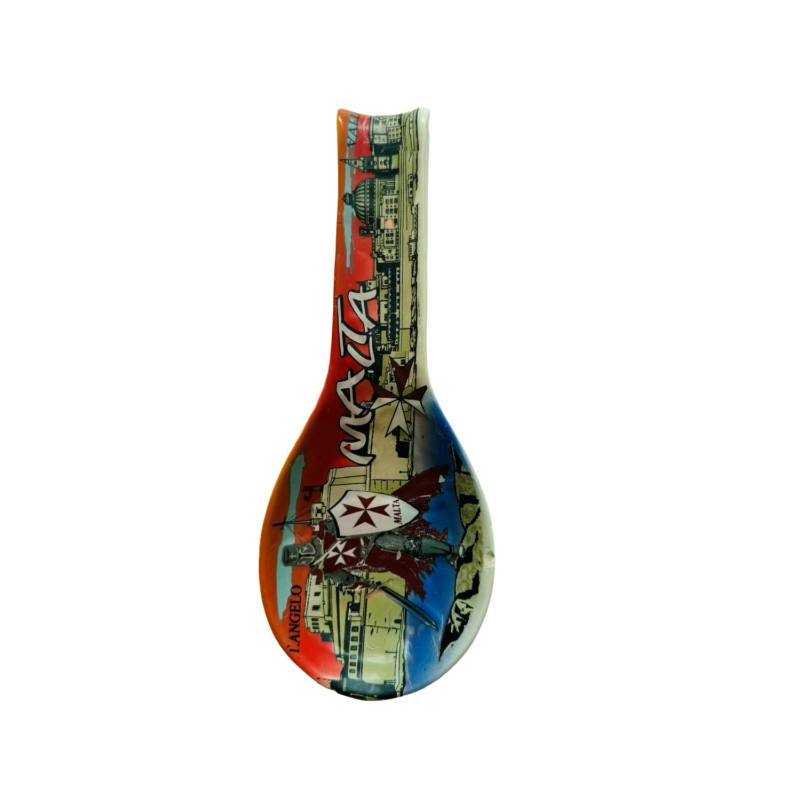
Products in this guide: Artistic Ceramic Spoon · Colorful Ceramic Spoon
Where This Fits in the Sourcing Chain
Creator runs are a distribution flavour of the customisation ladder — most programs sit at the stock-body-plus-logo level, and the ladder logic still applies. The ODM-to-OEM guide explains which customisation level fits your stage. Their price positioning inside the creator's own shop follows the same tier logic any retailer uses. The seasonal pricing guide shows how to structure the yearly price ladder. And the order rhythm, compressed into single drops, still needs the calendar discipline every program shares. The replenishment calendar guide maps the ordering windows for the whole year. The full chain follows the standard sourcing map. See the full ceramic sourcing process map.
What Makes Creator Runs Different
The calendar is public. A creator announces a drop date to their audience; missing it is not a private inconvenience but a public disappointment. Production and freight plans therefore need the same certainty a retail launch gets — which usually means the drop date is set after the production slot is confirmed, not before.
Quality is reputational. A chipped mug in a wholesale shipment is a claim; a chipped mug in a fan unboxing video is content. Creators' audiences document everything, so the acceptance standard for these runs typically tightens — the buyer's AQL baseline applies, The AQL baseline guide explains how acceptance levels are set and written down. but often with retail-grade limits on visible surfaces even for budget bodies.
The margin structure is shared. The creator pays platform fees, shipping and marketing from the same margin that covers the mug cost. Successful programs therefore price the drop backwards from what the audience will pay, choose a body accordingly, and resist over-customising — a clean logo on a proven body usually outperforms an ambitious special shape at this volume level.
How to Serve the Channel Profitably
For buyers and intermediaries serving creators, three practices separate repeat business from one-off chaos. First, standardise the run package: a small menu of proven bodies, one decoration method, one packing format — so each drop is a reorder, not a new development. Second, align the calendar backward from the drop: samples locked four weeks out, production slot confirmed before the date is announced, freight chosen to arrive with margin. Third, set expectations in writing — drop-date dependency, acceptance standard, and what happens if the audience response outruns the batch (a planned second wave beats an improvised rush every time). Run this way, creator merchandise becomes what it should be: a compact, fast, high-visibility program that shares the factory's existing strengths instead of straining them.
Related Products
Explore products featured in this guide:


Have questions? See our Sizes & Finishes FAQ and Ordering & Certifications FAQ.
Need a custom quote? Send an inquiry or browse our full product catalog.