Destination Inspection and Release: When Customs Opens Your Container
- Share
- Issue Time
- Sep 22,2026
Summary
A container that clears in three days and one that sits for three weeks usually differ in paperwork, not in luck. Understanding what triggers an examination — and what it costs from the first hour — is the cheapest delay insurance a buyer can buy.
The Problem: The Delay Nobody Planned For
A container arrives, and for a week nothing happens. Then a notice: the shipment has been selected for examination. The goods are moved to an examination area, opened, checked and released — and by then the container has consumed most of its free time, the storage meter has been running from day one, and the retail window has moved. The examination itself is rarely the expensive part; the time it consumes is.
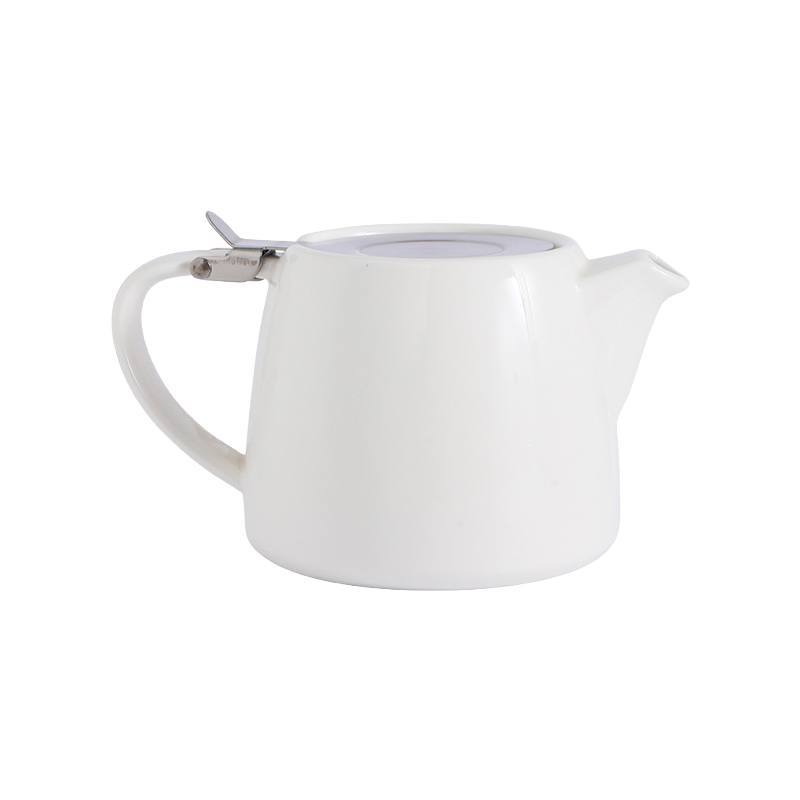
Products in this guide: Japanese Style Stoneware Teapot With Infuser Lid · Bone China Rice Bowl Set
Three things about examinations are worth understanding before the first container: what triggers them, what they cost, and what documents reduce the risk.
How Examinations Are Triggered
Random selection. Every port selects a proportion of containers for inspection. Nothing can be done about this except to be ready for it.
Documentation discrepancies. This is the largest controllable cause. A commercial invoice that describes the goods loosely, a value that looks low against comparable entries, a carton count that disagrees with the packing list, or a consignee name that does not match the importer's registration — each is a flag.
Classification and valuation questions. Where the HS code used is inconsistent with the goods described, or the declared value appears out of line, the entry is questioned. Ceramics are not especially sensitive here, but the pattern of inconsistencies across shipments is.
Trademark and intellectual property flags — the one that matters most for logo mugs. Goods bearing brand marks are a customs priority in every major market. If a buyer orders mugs carrying a well-known logo, or a mark that resembles one, customs can detain the container and ask for the trademark owner's authorisation. The remedy is entirely documentary: a letter of authorisation from the brand owner, or evidence that the mark is the buyer's own and registered.
What an Examination Actually Costs
Four costs, and the meter starts immediately.
Storage, from arrival. Not from the day of the examination — the container occupies terminal space while it waits for the examination slot, and storage is charged from arrival.
Examination and handling fees, including the movement of the container to the examination area and the labour of unpacking and repacking.
Free time consumed. Demurrage and detention clock runs in parallel. An examination that takes ten days can consume the entire free period, so the release is followed by charges.
The commercial cost: a missed retail window, a delayed project, or an air-freight top-up to cover a gap — which usually exceeds the fees.
The Documents That Reduce the Risk
Five items, prepared before the shipment sails rather than after.
- A commercial invoice that describes the goods precisely — material, item, capacity, quantity, unit value — in the language of the tariff, not a marketing description.
- A packing list that matches the container exactly: cartons, quantities, weights, and carton marks consistent with what is inside.
- A value that can be defended against comparable entries, with the basis stated (transaction value, with freight and insurance treated consistently).
- The HS code used, recorded, and consistent across shipments of the same item.
- Trademark authorisation where any logo not owned by the buyer appears on the goods, and evidence of the buyer's own registration where the mark is theirs.
One additional practice is worth the effort: keep the document set for the previous shipment in the file, so that the consignee details, code and descriptions can be repeated rather than reconstructed. Consistency is what reduces flags.
When the Container Is Held: The Three Calls to Make
Ask the broker what the specific hold is — a documentation query, an examination, a trademark question. The remedy differs entirely, and "it is held" is not an answer.
Give the broker the requested document immediately. Most holds are released by producing a paper, not by argument.
Decide on the free time early. If the examination will consume the free days, ask the forwarder for an extension or for the container to be moved to a cheaper storage location — a decision worth more than a week of email.
What to Write Into the Order
Three lines.
- The shipping documents list, with the requirement that the invoice description and packing list match the physical cargo exactly, and that a copy of both is sent to the buyer on despatch.
- The shipment file: consignee details, HS code and document set repeated consistently across shipments.
- Trademark authorisation, where a third-party logo is involved, provided by the buyer and passed to the factory and the forwarder before despatch.
The packaging guide explains how retail-ready and protective layers are specified together.
What to Ask a Supplier
Five questions.
- Will the invoice description match what customs expects for this item, and can I see it before despatch?
- Does the packing list match the container exactly — cartons, marks, weights?
- Where our logo appears on the goods, what authorisation do you hold, and will you attach it to the documents?
- What HS code will be used, and has it been used consistently for this item?
- If the container is examined, who attends and who pays the fees?
The Habit That Ties It Together
The habit is to treat customs documents as part of the product specification rather than as paperwork after the fact. Programs that do this clear in three days, and reserve their surprises for the things that cannot be papered away.
Related Products
Explore products featured in this guide:


Have questions? See our Sizes & Finishes FAQ and Ordering & Certifications FAQ.
Need a custom quote? Send an inquiry or browse our full product catalog.