First Article Approval: Ten Minutes That Save a Whole Production Run
- Share
- Issue Time
- Sep 21,2026
Summary
The cheapest moment to catch a mistake is before the run continues. First article approval is the practice of checking the first pieces of a run against the standard and holding production until someone signs — and most factories skip it.
The Problem: The Mistake Is Repeated Thousands of Times
A new mould is fitted, a glaze batch is mixed, a decal is loaded — and the line starts. If a mistake exists, it now exists in every piece produced until someone notices. Arrival inspection cannot help: by the time the container is opened, the whole run shares the same error and the remedy is a claim rather than a correction.
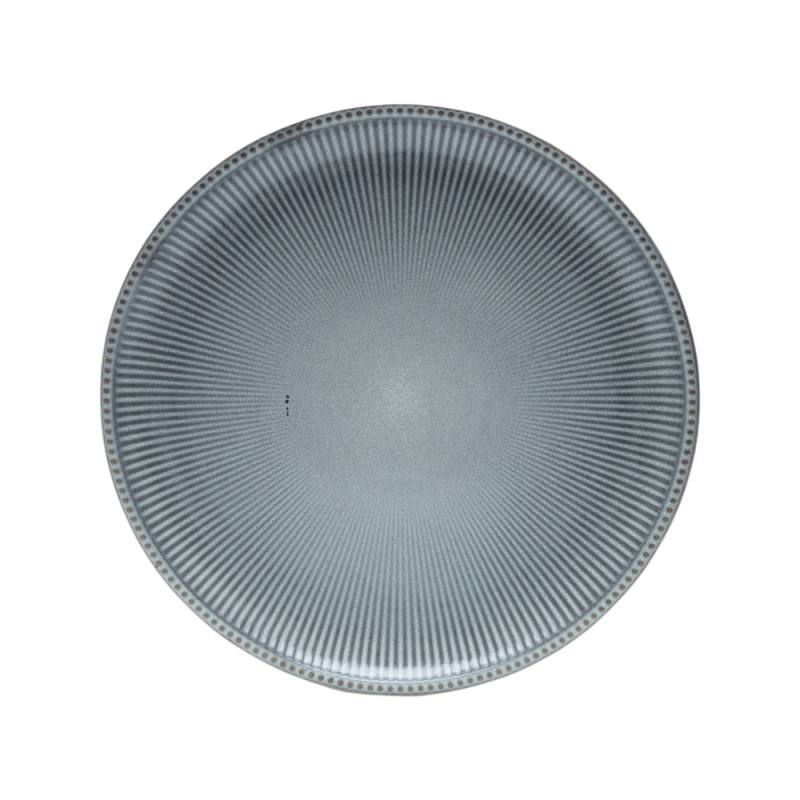
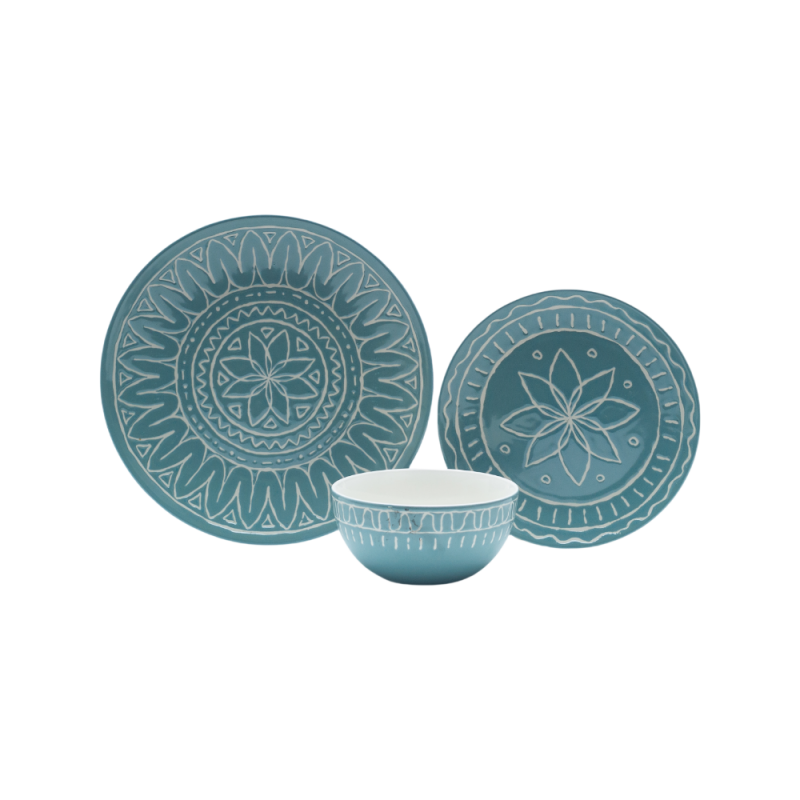
Products in this guide: Reactive Glaze Stoneware Plate · Boho Style Hand-Painted Ceramic Dinnerware Set
First article approval is the gate that closes that window. The first pieces off the line are held up against the standard, checked properly, and production is allowed to continue only after someone signs. It costs about ten minutes per run and it is the single most effective quality control a factory can have.
What the Check Covers
Six items, and they map to the defects that a run-wide error would create.
- Body and dimensions against the specification: height, diameter, foot, wall thickness at the rim where measurable.
- Capacity, filled to the agreed fill line — since a body or mould change shifts capacity before it shifts appearance.
- Weight, as a fast proxy for wall thickness and body consistency.
- Glaze appearance against the retained glaze standard: tone, surface, coverage, and the absence of pinholes or specks in the visible area.
- Decoration: registration, colour against the approved artwork, position, and adhesion after the decoration firing.
- Handle joint and functional details: load-bearing joints, lid fit, stacking, and any feature the item is sold on.
Add one more for the buyer's benefit: packing fit — a piece that fits the carton badly produces a packaging defect that has nothing to do with the ceramic.
When It Is Required
Four triggers, and all of them should be written into the order.
A new item, before the first production run. After any change to the body, the glaze, the mould, the decoration batch or the kiln setting — the changes that most reliably produce an unexpected result. At the start of each production batch for items where the buyer's own customer will notice variation. And after a corrective action, because the point of the action is that the next run differs from the last.
Remote Approval: The Photo Protocol
Most buyers cannot stand at the line, so the useful instrument is a defined shot list sent before the run continues. Five photographs, taken on the first article beside the retained standard:
- The piece front, next to the standard, in the same light.
- The base, showing the foot ring and any stilt marks.
- The rim and handle joint, close enough to see the surface and the joint.
- The piece on a scale, showing the weight reading.
- The piece filled to the fill line, with the level visible.
Written measurements accompany them: weight, capacity, key dimensions. A photograph without a measurement is an impression; the two together are a record.
The Rule That Makes It Work
One sentence, and it must be explicit: the run does not continue until the first article is approved. Without it, the practice becomes a notification — the line keeps moving, the photos arrive after two thousand pieces have been made, and the approval becomes a formality about what already exists.
The corollary is a second sentence: if the first article fails, the run stops, the cause is identified, and a new first article is approved before restarting. A factory that adjusts the line and continues without re-checking has turned the gate into a suggestion.
What to Write Into the Order
Four lines.
- When first article approval is required — the four triggers above, named.
- What it covers — the six items, or the ones relevant to the product.
- The evidence: the shot list, the measurements, and the requirement that they are sent before the run continues.
- The record: an approval sheet per item and run, dated and signed, available on request — because a gate that leaves no document cannot be audited afterwards.
The spec freeze guide explains how artwork and packing files are locked between orders.
What to Ask a Supplier
Five questions, all answerable.
- Do you run a first article check, and is it written into your process sheet?
- What does it cover, and who signs it?
- Do you send photographs and measurements before continuing the run, and on what list?
- What happened the last time a first article failed — did the run stop?
- Can I see the approval sheet for the last run of this item?
The Habit That Ties It Together
The habit is to require the gate rather than the promise. Programs that do this catch a run-wide error in ten minutes — before it becomes a container of identical problems and a claim nobody can win.
Related Products
Explore products featured in this guide:

Have questions? See our Sizes & Finishes FAQ and Ordering & Certifications FAQ.
Need a custom quote? Send an inquiry or browse our full product catalog.