Fitness and Wellness Channels: What Ceramic Can and Cannot Do
- Share
- Issue Time
- Sep 16,2026
Summary
The fitness and wellness market buys drinkware in volume, but most of that volume goes to plastic and steel. Ceramic competes in a defined set of positions — and pretending otherwise wastes a sample round.
The Problem: A Channel That Mostly Buys Something Else
Fitness, sport and wellness retail is a large and growing channel, and it buys drinkware constantly. Almost all of it is plastic, stainless steel or silicone, for reasons that are entirely rational: it is carried in a bag, dropped, shaken and taken to a gym. A supplier who approaches this channel with a ceramic bottle is offering the wrong product. The useful question is narrower and more interesting: which positions in this channel does ceramic genuinely win, and why — because those positions are real, growing and largely unserved.
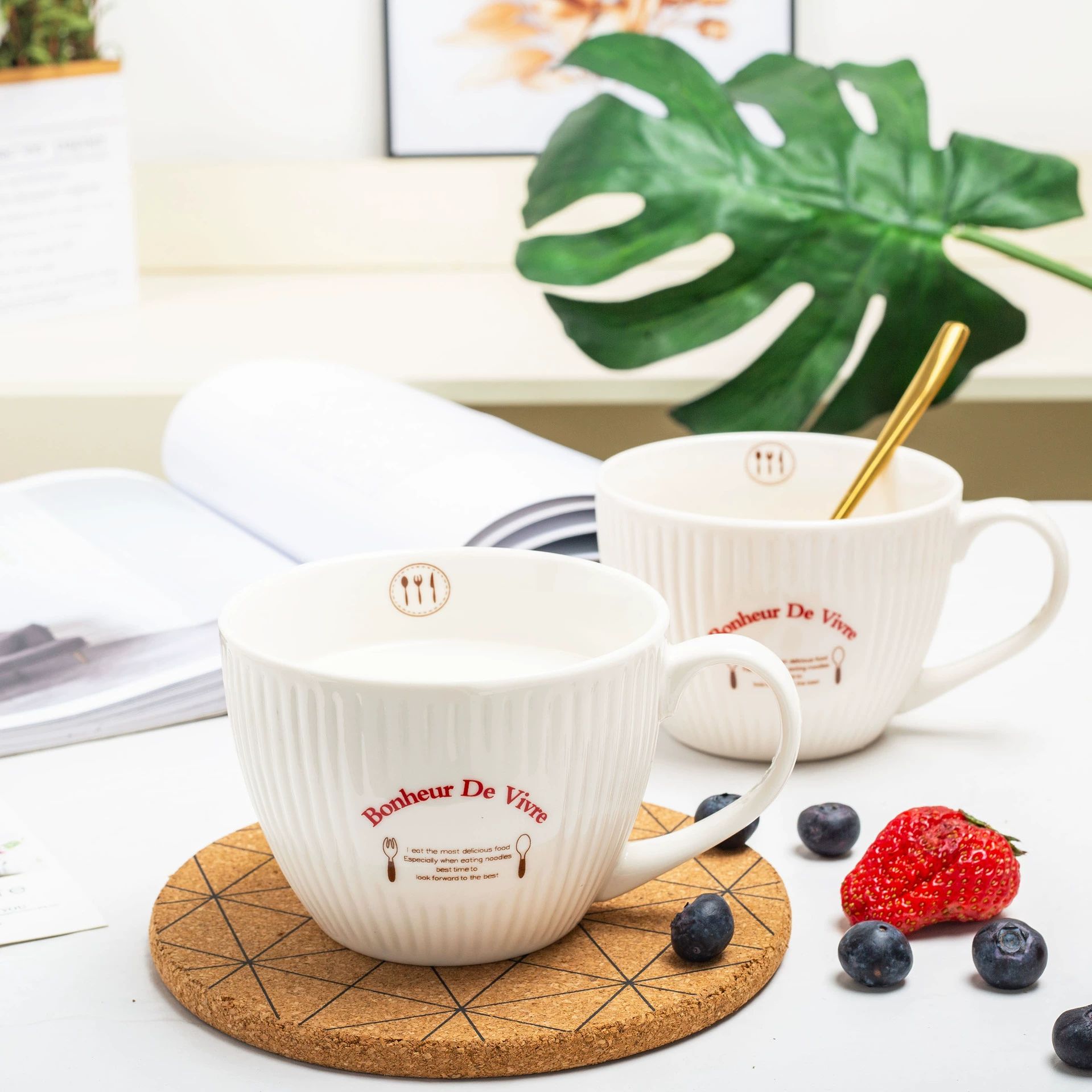
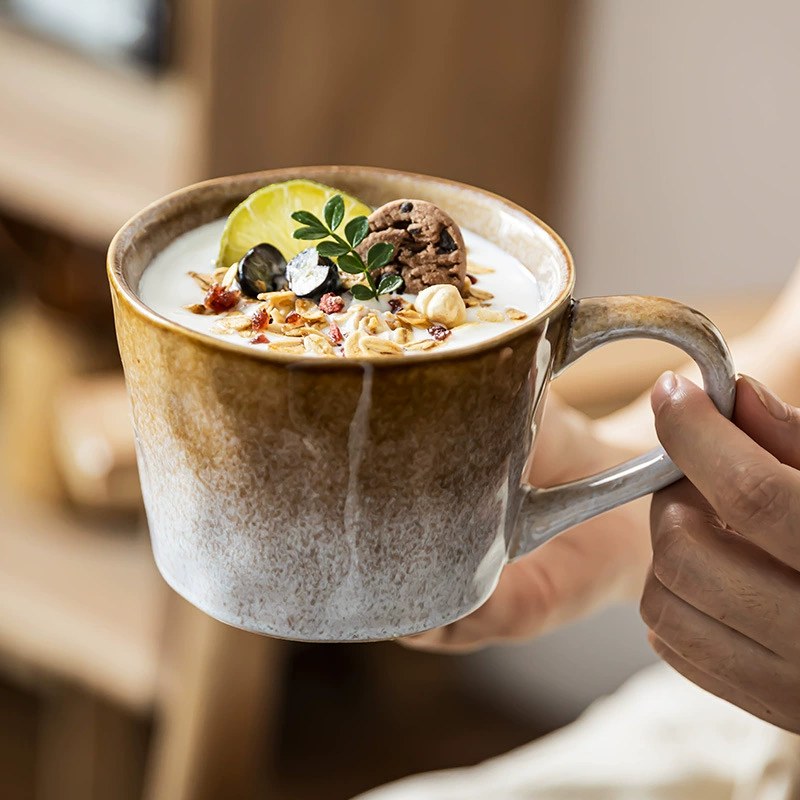
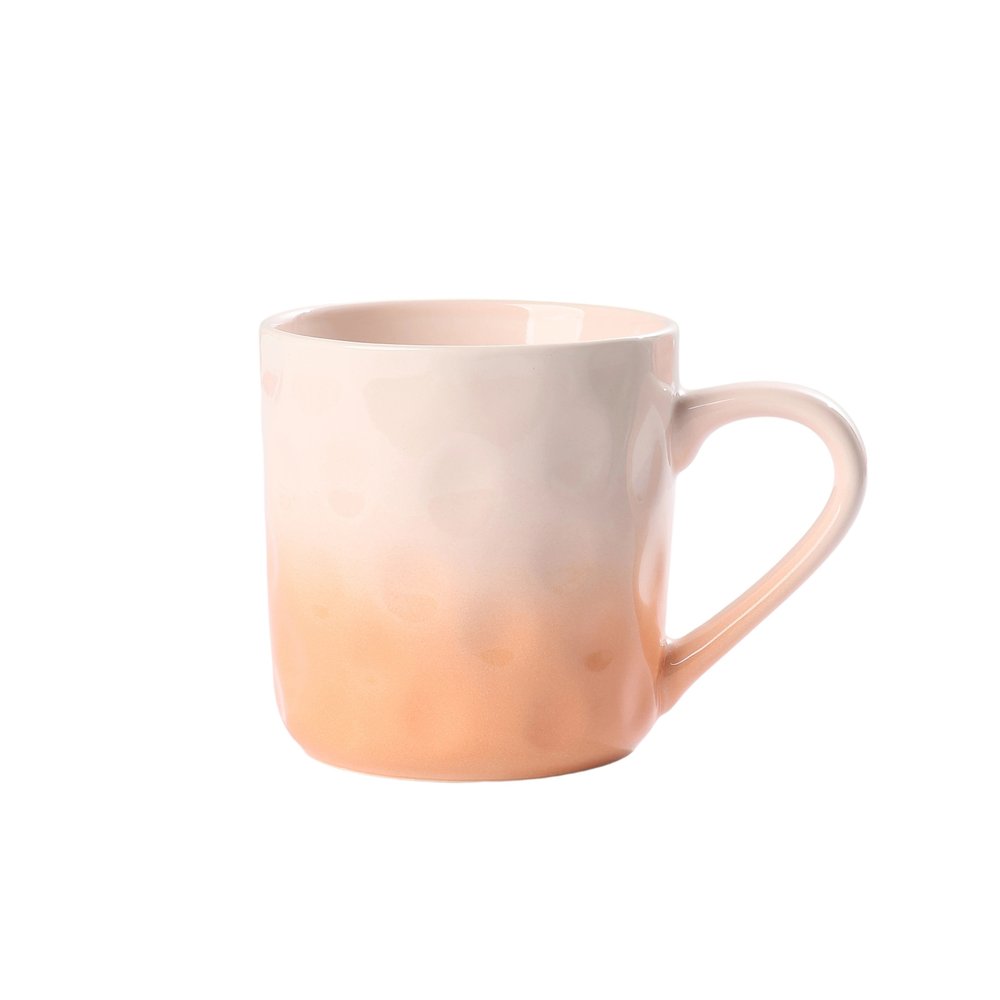
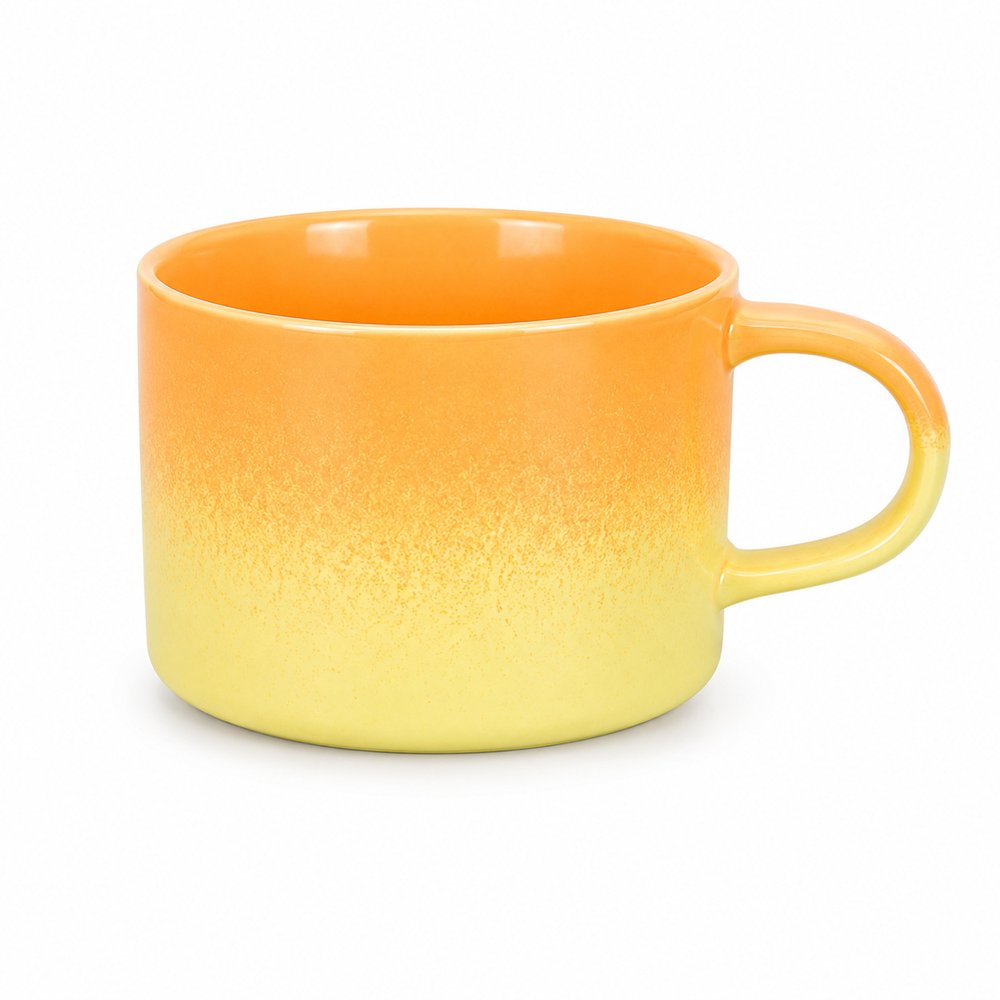
Products in this guide: 550ml Large Ceramic Breakfast Mug with Lid and Spoon · Kiln-Varied Gradient Ceramic Mug 360ml
Where This Fits in the Sourcing Chain
The specification follows the use case rather than the material preference: what the vessel holds, how it is handled and what it has to survive. The spec freeze guide explains how artwork and packing files are locked between orders. Where the item is sold as brand merchandise, the packaging is part of the product. The packaging guide explains how retail-ready and protective layers are specified together. The full chain follows the standard sourcing map. See the full ceramic sourcing process map.
The Three Positions Ceramic Actually Wins
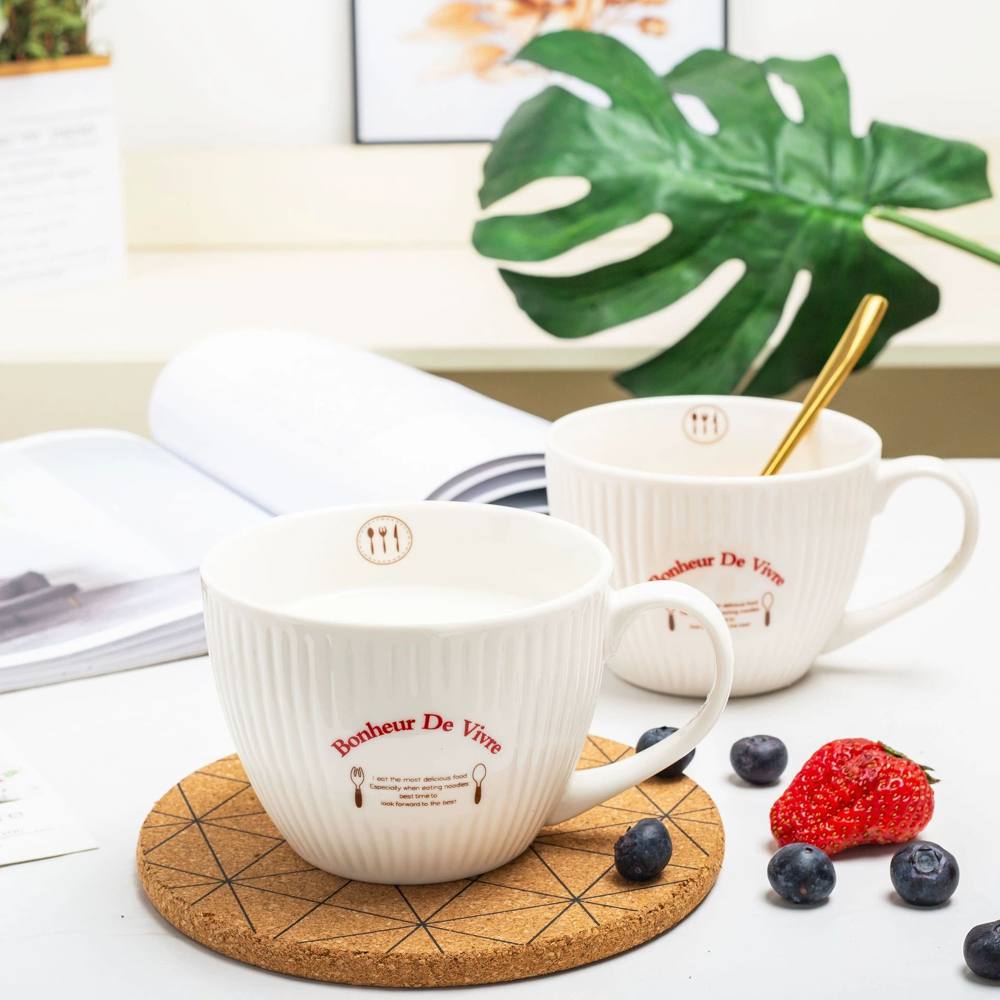
The smoothie and breakfast bowl. Wide, shallow, substantial and photogenic. It is the ceramic form of the wellness breakfast, used at home rather than at the gym, and it sits in the same purchase as the blender and the supplements. This is the strongest position in the channel and the one most often overlooked.
The iced and cold brew vessel. A double-walled tumbler or a taller glass-equivalent form, for cold coffee and iced tea, where a ceramic interior is a taste advantage and heat retention is irrelevant. It suits the café-adjacent wellness customer rather than the gym customer.
Brand merchandise for studios, gyms and wellness labels. A studio-branded mug or bowl sold at reception or online, which behaves exactly like any other branded merchandise programme: one body, one mark, repeated orders.
Where ceramic does not win: bottles, shake cups, anything thrown into a gym bag, and anything that has to survive a drop on a hard floor. Being honest about that boundary is what makes the rest of the conversation credible.
What the Specification Requires
Weight and thickness in the bowl form: a smoothie bowl that is too light feels cheap and tips; one that is too heavy is awkward to hold. A shape that reads as food, because this category photographs what the bowl contains, not the bowl — a wider rim and a shallower well present better.
Glaze behaviour with cold and acidic contents, since smoothies and iced drinks are acidic and often brightly coloured; an underglaze decoration avoids any question of leaching or staining.
Dishwasher tolerance, because the use case is daily and the customer is not going to hand-wash it.
Who Buys
Wellness and healthy-food retail, which is the natural home of the bowl and the cold brew vessel. Gym, studio and wellness-brand merchandise, buying branded items for reception and online sale. Gift and home retail, where the bowl sells as a self-purchase and as a gift for someone starting a routine. Cafés with a wellness positioning, which buy vessels for cold drinks and retail shelf.
The Ordering Pattern
Demand follows the fitness calendar: a January peak as resolutions begin, a spring lift, and a fourth-quarter gifting peak. For a January shelf, the order belongs in September to October — earlier than most buyers expect for a "new year" product, and the reason the channel is often missed. Merchandise programmes for studios tend to run on their own cycle, often to a relaunch date rather than a season. The replenishment calendar maps the ordering windows for the whole year.
The Habit That Ties It Together
The habit is to ask which position ceramic can occupy rather than whether the channel likes ceramic. Programs that do this sell bowls and cold vessels into a market that assumed the answer was no.
Related Products
Explore products featured in this guide:
Have questions? See our Sizes & Finishes FAQ and Ordering & Certifications FAQ.
Need a custom quote? Send an inquiry or browse our full product catalog.