Forecourts and Convenience Stores: Small Pieces, High Rotation, Harsh Handling
- Share
- Issue Time
- Sep 23,2026
Summary
A forecourt shop sells volume and impulse in the same square metre, and its tableware is unpacked, used and washed by staff with no time to be careful. Three specifications decide whether the range survives the year.
The Problem: Volume, Impulse and No Time
A forecourt or convenience shop is a volume business with an impulse business inside it. Merchandise — mugs, travel cups, gift items — sits next to the till and is bought on the way out. Two conditions follow. The pack has to survive a distribution network that combines pallets, roller cages and hand stacking. And the piece has to look attractive in a small display with no staff member to arrange it. Where the channel also self-serves food and drink, the tableware goes through a wash cycle with the minimum of care.
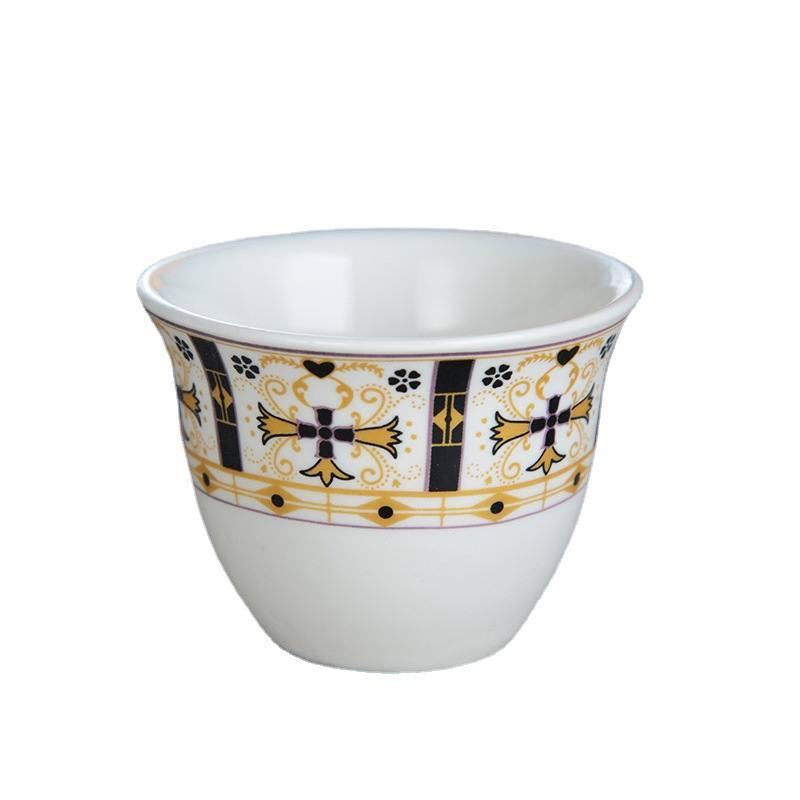
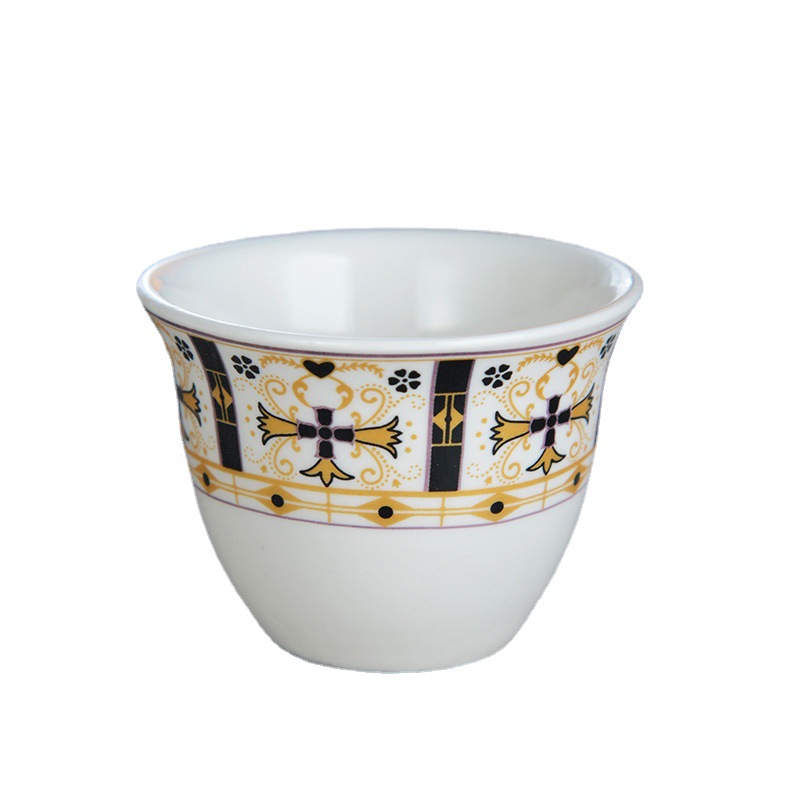
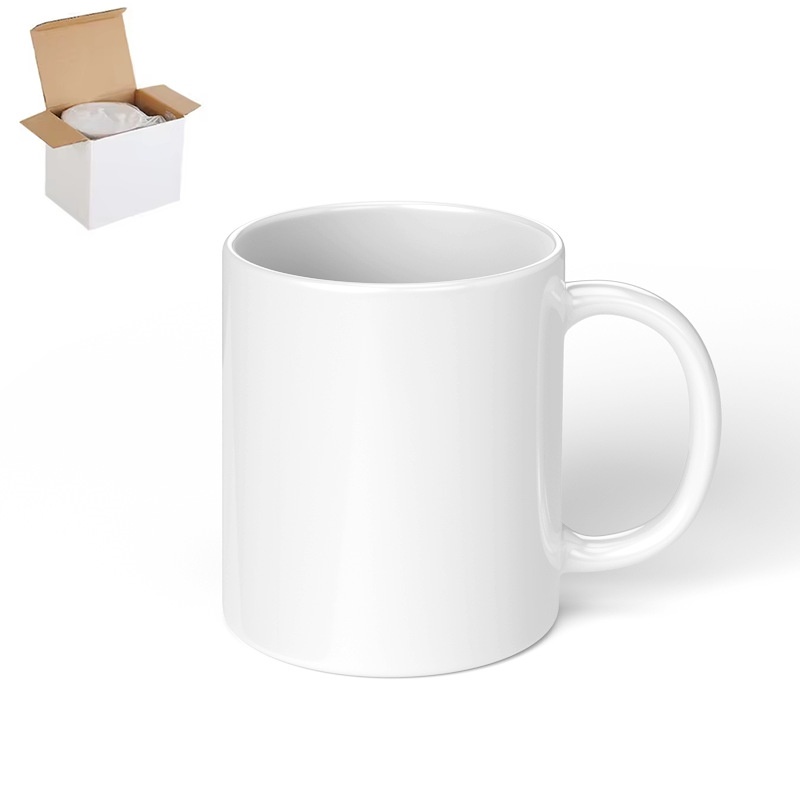
Products in this guide: Decorative Espresso Coffee Cup · 15oz Sublimation Blank Ceramic Mug
Three Specifications
Retail packaging before the product. In this channel the pack is what sells: a mug in a printed sleeve reads at a glance, an unprinted one does not. That makes the pack a specification rather than a cost — a printed sleeve or a window box, with the barcode in a defined position, and a pack that stands on a shelf without support. The failure mode is a pack that looks good on a pallet and slumps on a shelf.
Mixed-pallet robustness. Distribution here is rarely a full pallet of one item. Cartons travel with other goods in mixed loads, which means the carton takes edge loads and the pieces take knocks. The practical requirement is a higher compression specification than an export carton for a direct container delivery, and a drop test on the packed unit rather than on the piece alone.
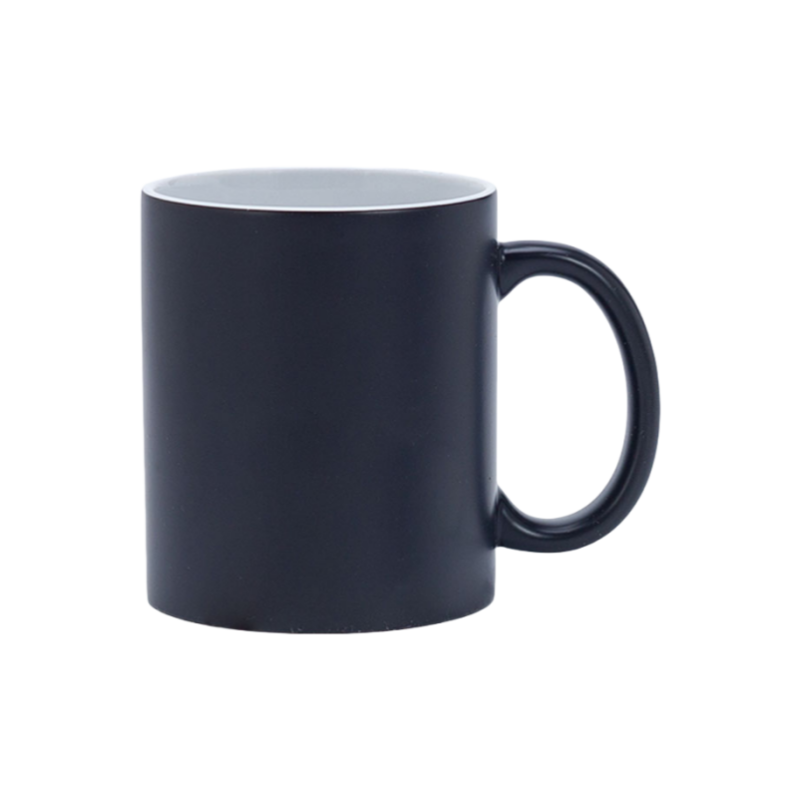
Decoration that survives a hurry. A staff member washing a promo mug in a busy back room is not treating it as a decorative object. Surface prints dull, and a rim decoration chips. Fired decoration below the rim, or a coloured body, is what makes a promo item still look like a product after three months of use.
The Range Logic
Two sub-ranges usually work better than one: a value range of plain or single-colour items sold singly at a low price point, and a gift range of decorated or boxed items for occasions. The value range wins on price and the gift range on margin, and they should be specified separately — because they have different decoration requirements, different pack requirements and different replacement economics.
Chain Distribution and Reordering
A convenience chain reorders at the item level and at the store level. Two contract items make that manageable: item names and numbers printed on the pack, so a store manager can reorder without a catalogue; and a single-piece reorder capability from the same body and glaze, because a chain will not replace a whole set when one piece breaks.
Questions to Ask a Supplier
- Does this pack stand on a shelf without support, and where is the barcode?
- What compression and drop tests have been run on the packed carton for mixed loads?
- Is the decoration fired or surface-printed, and how does it look after three months of use?
- Are items individually packed for single-unit retail, and can they be reordered piece by piece?
- What is the minimum order quantity per item if the range is split value/gift?
- Which pieces are dishwasher-tested, and to what cycle count?
The spec freeze guide explains how artwork and packing files are locked between orders.
What to Put in the Order
- The retail pack specification: sleeve or box, print, barcode position, shelf stability.
- Compression and drop requirements for mixed-load distribution.
- Fired decoration and a wash-cycle figure.
- Item numbering on the pack for store-level reordering.
- Single-piece reorder capability, with body and glaze named.
The packaging guide explains how retail-ready and protective layers are specified together.
The Habit That Ties It Together
The habit is to specify the pack as the product and the piece as something that will be handled carelessly. Programmes that do this get merchandise that still sells in month twelve, and a chain that can restock without a conversation.
Related Products
Explore products featured in this guide:

Have questions? See our Sizes & Finishes FAQ and Ordering & Certifications FAQ.
Need a custom quote? Send an inquiry or browse our full product catalog.