Gift Returns: How After-Sales Policy Quietly Decides What You Should Make
- Share
- Issue Time
- Sep 15,2026
Summary
A gift is bought by one person for another, so returns are structurally more likely than in ordinary retail. That single fact should shape packaging, personalisation and the specification — and usually does not.
The Problem: The Buyer Is Not the User
Gifting differs from ordinary retail in one structural way: the person who chooses is not the person who receives. The consequence is predictable and under-planned. The recipient already has the item, or the colour does not suit, or the size is wrong — and a return or exchange follows. Ceramic ranges designed without that reality in mind fail in two ways: the packaging cannot survive a second journey, and the personalisation has made the product unsellable to anyone else.
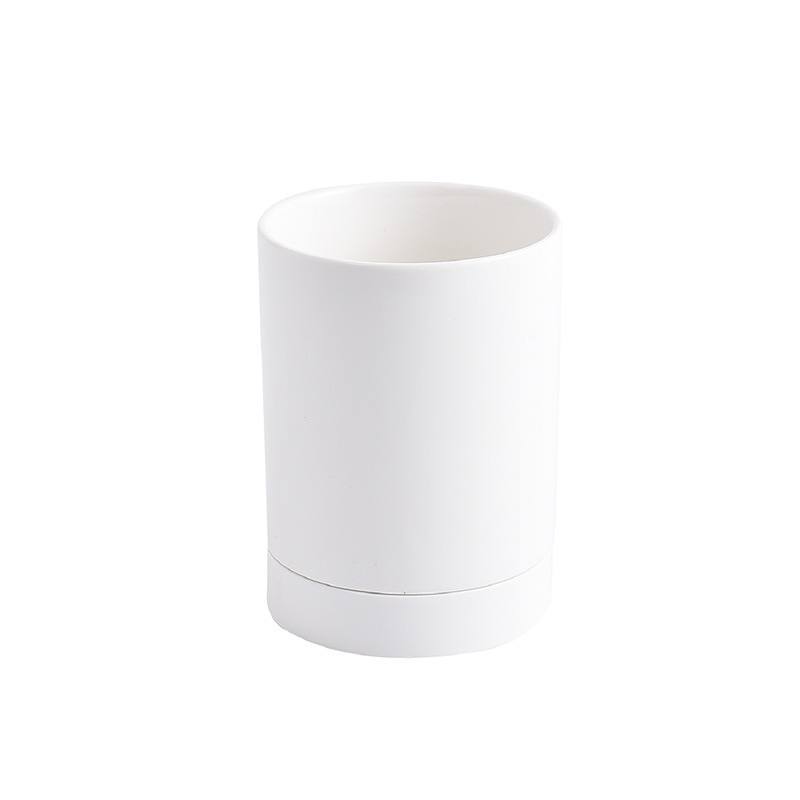
Products in this guide: Nordic Style Ceramic Chopstick Holder · Nordic Ceramic Chopstick Holder
Where This Fits in the Sourcing Chain
Returns are decided at three earlier stages: the specification (is the product returnable at all), the packaging (can it be repacked and reshipped), and the traceability (can a defect claim be traced to a batch). The packaging guide explains how retail-ready and protective layers are specified together. The spec freeze guide explains how artwork and packing files are locked between orders. The full chain follows the standard sourcing map. See the full ceramic sourcing process map.
Why Gifts Return More
Three reasons, all structural rather than a matter of product quality. Taste mismatch, because the chooser is guessing. Duplication, especially at Christmas and weddings, where two guests bring the same thing. Warranty-independent failure: a chipped handle is a legitimate claim, and in gifting it arrives through the giver rather than the user, which means the retailer hears about it later and from a different party. None of these can be designed away; they can be planned for.
The Three Decisions That Change the Return Rate
Personalisation reduces returns and increases losses. A personalised item is unlikely to be returned, which is a real benefit — and it is also unsellable if it is, which is a real cost. The practical rule: personalise where the product is *intended* as a keepsake, and keep the personal element on a printed sleeve or card where it might come back.
Packaging that survives a second journey. Returned goods travel loose, in a bag, and often arrive without the original insert. A box designed to close firmly and an insert that holds the piece without needing the lid are worth more here than any unboxing flourish.
A specification that tolerates exchange. The most useful product decision in gifting is often not "which design" but "how many designs share one form", because where the form is shared, a colourway exchange is a packaging problem rather than a production problem for the retailer.
What Buyers Ask Suppliers For
Four questions appear in listing conversations. What is your defect rate, and can you show it. What happens to a damaged piece — replacement unit, credit, or part-level resolution. Can spare capacity be reserved for replacements during the season. What is the batch record, because a defect claim that can be traced to a production batch is a conversation, and one that cannot is an argument. A supplier who answers these needs a documented quality routine in place, which is the same work as any serious production relationship.
The Commercial Design Rule
Returns are a cost the whole chain shares, so the cheapest return is the one that does not happen. Three design choices reduce the frequency: neutral palettes where the giver is guessing, sets rather than single pieces where duplication is likely (a set is less likely to be duplicated than a mug), and clear specification on the product page — capacity, material, care — because a quarter of gift returns in most categories start with a mismatch between expectation and product. The last is a supplier's contribution: accurate specification is a returns policy.
The Habit That Ties It Together
The habit is to ask who will be unhappy if the gift is wrong, and to design the packaging, the personalisation and the specification so that the answer is nobody.
Related Products
Explore products featured in this guide:


Have questions? See our Sizes & Finishes FAQ and Ordering & Certifications FAQ.
Need a custom quote? Send an inquiry or browse our full product catalog.