Graduation Season: An Annual Occasion Built on a Changeable Number
- Share
- Issue Time
- Sep 13,2026
Summary
Graduation is a fixed date with a moving element — the year — and that single detail shapes how the artwork, the reorder and the licensing are handled. This guide covers the mechanics.

The Problem: The Occasion Repeats, the Number Does Not
Graduation is unusual among gifting occasions: it is genuinely annual, the buyer set is stable, and yet one element of the product changes every single year. "Class of 2027" cannot be carried over, so a programme that is otherwise perfectly repeatable needs its artwork refreshed on a schedule — and that refresh has to happen inside a production lead time, not after it. Handled well, graduation is one of the most predictable programmes a supplier can hold. Handled casually, it is a scramble every spring.
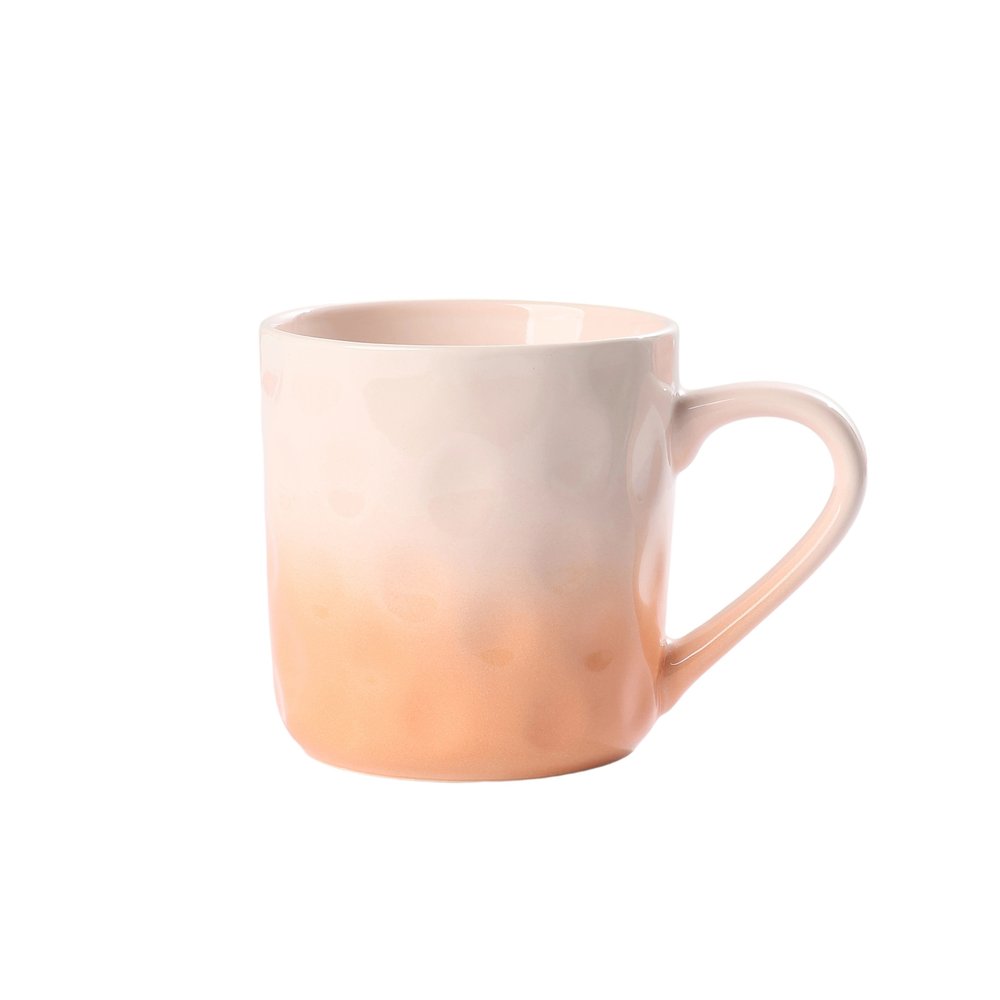
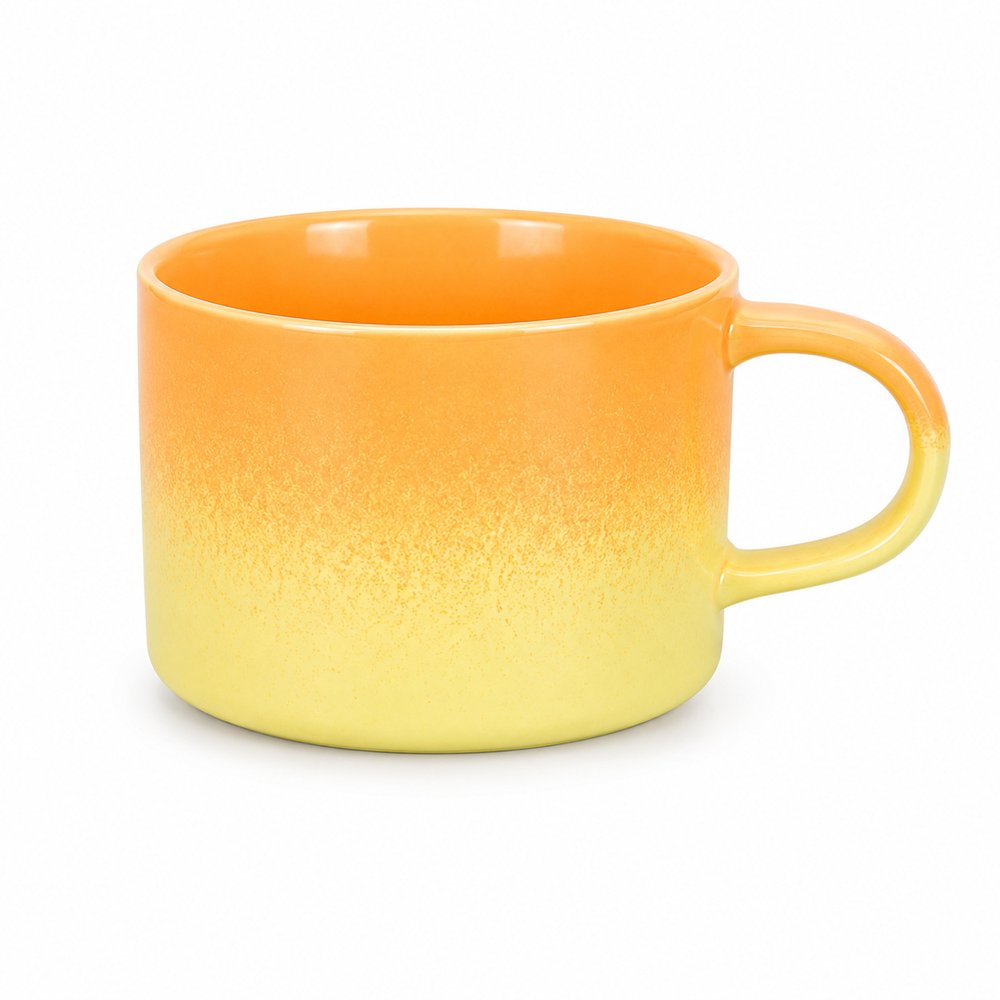
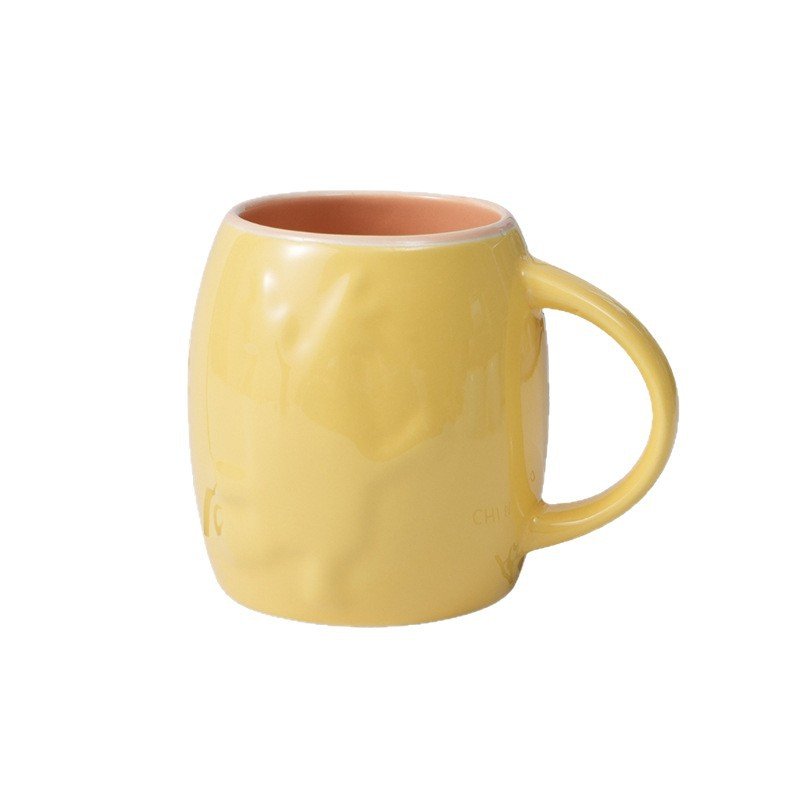
Products in this guide: Kiln-Varied Gradient Ceramic Mug 360ml · Gradient Hammered Ceramic Mug 350ml
Where This Fits in the Sourcing Chain
The annual refresh is a specification event: one frozen structure, one variable element, and a defined approval point. The spec freeze guide explains how artwork and packing files are locked between orders. The date is fixed, so the programming runs backwards from it. The replenishment calendar maps the ordering windows for the whole year. The full chain follows the standard sourcing map. See the full ceramic sourcing process map.
Who Buys
Four buyer types appear, and they buy differently. Campus bookstores and university retail buy to a plan, often a year ahead, with a floor of licensed product and their own inventory rules. Alumni offices and development teams buy modest volumes as gifts for events, reunions and donor relations, and often want something that looks more considered than merchandise. Gift retail near campuses buys late and in smaller quantities, at a higher price point. Personalised gift platforms buy the simplest structure and add the name themselves.
The Design Mechanics
Three decisions define the range. The year element: whether it is printed as part of the decoration (cheaper, but the whole artwork changes annually) or on a sleeve or tag (which allows the ceramic to be ordered across years). The second is usually the better economics, and worth explaining to a buyer who assumes the number must be fired onto the mug.
The institution element: colours, crest or monogram. Where a university mark is involved, licensing is the buyer's responsibility and permission must exist before production — a supplier who prints a protected mark on request is printing a problem.
The keepsake angle: graduation items are kept rather than used, which means the finish matters more than the volume and the packaging can be simple.
The Ordering Window
For a May or June graduation in 2027: stock in the country by April, transit and clearance four to six weeks, production four to six weeks, artwork and licence approval three to four weeks. The order belongs in January, and the artwork decision — the year element — should be settled even earlier, because it is the one item that changes and the one most likely to be approved late. The spec freeze guide explains how artwork and packing files are locked between orders.
Where It Pays Off
The value of graduation as a programme is not the first order but the fourth: once the structure is frozen and only the year changes, each cycle becomes an artwork update and a repeat production run, with the sample and the specification already agreed. Buyers who experience that once tend to keep the programme with the same supplier.
The Habit That Ties It Together
The habit is to build the range so that only one element moves — and to make sure that element is the cheapest one to change. Programs that do this own an annual occasion. Programs that fire the year onto the ceramic renegotiate the product every spring.
Related Products
Explore products featured in this guide:

Have questions? See our Sizes & Finishes FAQ and Ordering & Certifications FAQ.
Need a custom quote? Send an inquiry or browse our full product catalog.