Kitchenware OEM Beyond Mugs: Canisters, Bakeware and Tableware Lines
- Share
- Issue Time
- Sep 26,2026
Summary
Brands that start with OEM mugs almost always widen the range — canisters, bakeware, serving pieces. The OEM process for those items is different in three ways, and each difference shows up as a cost or a delay if it is not written down early.
The Problem: Mugs and Canisters Are Not the Same OEM Job
A mug is an open vessel with a handle. A storage canister is a closed vessel with a lid and a gasket; a bakeware item takes direct heat; a serving platter is flat, heavy and judged on flatness. Brands that widen from mugs into kitchenware usually expect the same OEM process to carry over, and discover three differences: the mould is more complex, the closure adds a second component, and food-contact demands go up because the contents sit longer and are often oily or acidic.
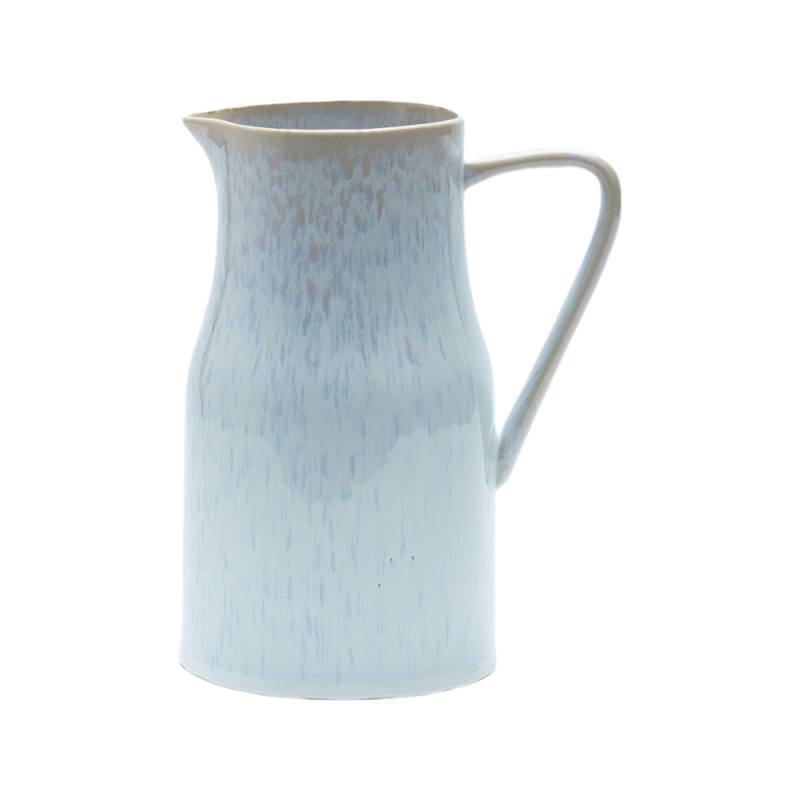
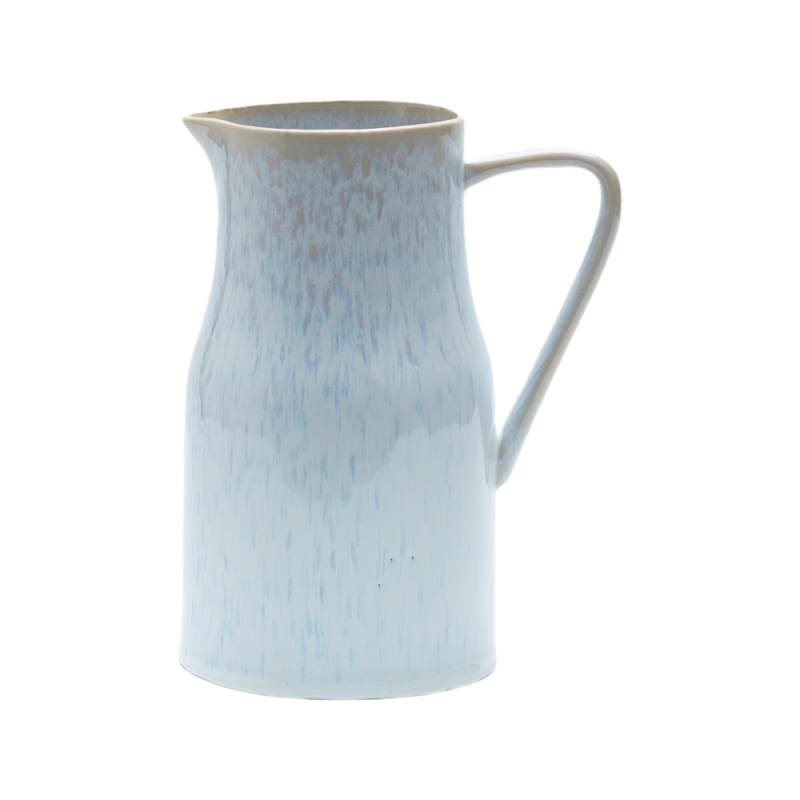
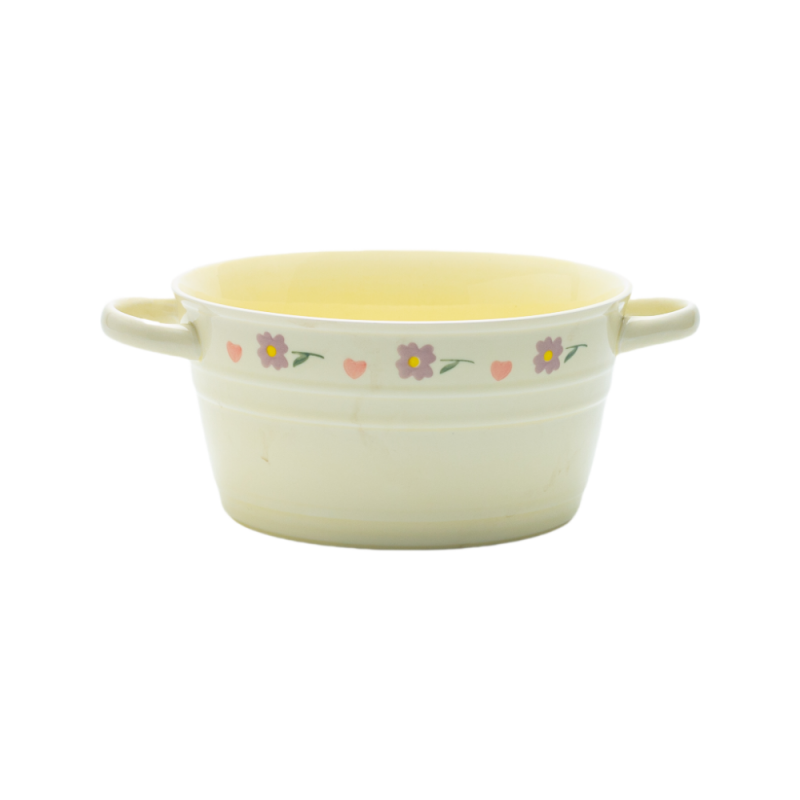
Products in this guide: Handcrafted Reactive Glaze Ceramic Pitcher · Vintage Floral Yellow Glazed Stoneware Bowl & Plate Set
Three Differences, and What They Cost
Shaping and moulds. Mugs are formed on a standard profile; canisters and casseroles need shaped bodies with matching lids, and lids are the hard part — they must seat, not wobble, and survive kiln firing without warping out of tolerance. Where a lid is part of the design, the mould investment is higher and the tolerance discussion belongs in the quotation, not after the first sample.
Closures and second components. A canister with a gasket or a clamp lid introduces a component the ceramics factory does not make. The brief must state who supplies the gasket or clamp, the material, and the food-contact status of that component — because the composition of a rubber gasket is part of the compliance answer, and it is the buyer's brand on the box.
Food contact with real contents. Storage jars hold oil, spices and acidic contents for months; bakeware sees direct heat. The glaze and decoration that touch the contents need test evidence for the intended use, and bakeware additionally needs thermal-shock performance — direct heat, then a cold counter, then a dishwasher.
The OEM Process for a Kitchenware Line
The sequence is the same as for mugs, with more specification in the middle. A workable process:
- A specification sheet per item: outer dimensions, capacity, weight, wall thickness, glaze family, decoration, lid and closure details, food-contact surface definition.
- A costing against that sheet, with the MOQ per item stated — and here the buyer should ask whether the MOQ can be mixed across the line (canisters in three sizes plus a casserole) rather than per item, which is what makes a multi-piece line affordable.
- Samples against the sheet, including the closure fit and a stacked-pack trial.
- Compliance evidence for food contact and, where bakeware is involved, thermal shock.
- Retained standards per item, because a kitchenware line is long-lived and will be reordered.
Packaging and the Line Logic
Kitchenware lines are usually sold in sets or as open stock, and the packaging has to serve both: an inner box per item sized to the piece, a master carton that survives mixed pallets, and a retail pack where the channel needs it. Because canisters and casseroles are bulky, the container utilisation of the line is part of the costing — a line that packs poorly costs more per unit to land, and that cost belongs in the quotation rather than in a surprise.
Questions to Ask a Supplier
- Which items in the line share moulds or glazes, and where are the tooling investments?
- Who supplies closures and gaskets, and what is their food-contact status?
- Can the MOQ be mixed across the line rather than per item?
- What test evidence exists for food contact with oily or acidic contents?
- What thermal-shock testing has the bakeware passed?
- How many sets of the line fit a container, and what does that do to the landed cost per item?
The spec freeze guide explains how artwork and packing files are locked between orders.
What to Put in the Order
- A specification sheet per item, including closure and food-contact surface.
- Mixed-line MOQ structure, not per-item minimums.
- Compliance evidence for the intended contents and the bakeware's thermal shock.
- Packaging per channel, retail and bulk.
- Retained standards per item, and the programme-life availability of body, glaze and moulds.
The packaging guide explains how retail-ready and protective layers are specified together.
The Habit That Ties It Together
The habit is to run the kitchenware line as a programme with a specification sheet per item, not as a set of mug jobs with bigger shapes. Brands that do this widen their range without widening their complaints.
Related Products
Explore products featured in this guide:

Have questions? See our Sizes & Finishes FAQ and Ordering & Certifications FAQ.
Need a custom quote? Send an inquiry or browse our full product catalog.