Limited Editions: How Scarcity Is Manufactured Without Losing Money
- Share
- Issue Time
- Sep 15,2026
Summary
A limited edition sells for more because it is finite — which means the factory has to produce it in a way that keeps the story intact. This guide covers the structures, the economics and the mistakes that destroy the premium.
The Problem: Scarcity That Has to Be Honest
A limited edition is a commercial promise: this quantity, and no more. Because the promise is the product, the manufacturing method has to support it — a run that is quietly extended destroys the premium for every previous buyer and for the retailer holding stock. At the same time the edition has to be economically sensible to produce, which rules out the naive version of "make twenty pieces". The interesting question is not whether scarcity sells; it is how to manufacture scarcity profitably and keep it credible.
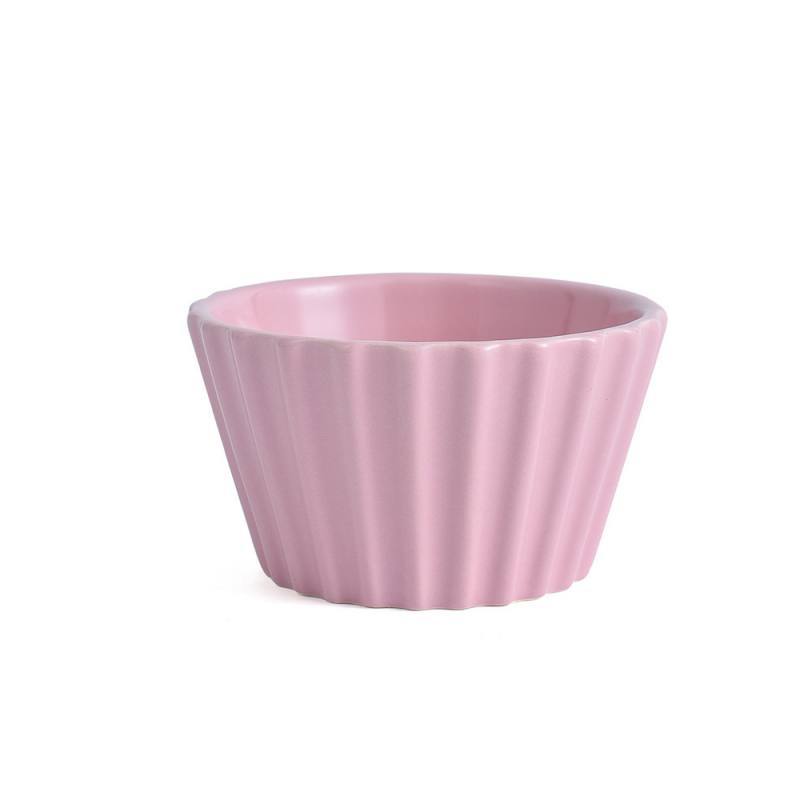
Products in this guide: Ceramic Baking Bowl · Ceramic Dessert Bowl
Where This Fits in the Sourcing Chain
A limited edition is a specification and control problem: the decoration is fixed, the quantity is fixed, and the record matters. The spec freeze guide explains how artwork and packing files are locked between orders. The packaging carries the proof of the claim — numbering, certificate, edition card. The packaging guide explains how retail-ready and protective layers are specified together. The full chain follows the standard sourcing map. See the full ceramic sourcing process map.
The Structures That Work
The annual series. A new edition each year on the same body, with a changing decoration and a date. This is the most commercially reliable structure, because it reuses tooling, repeats exactly, and gives collectors a reason to return annually. It is also the easiest to keep honest: the year is the edition.
The numbered run. A fixed quantity, individually numbered, often with a certificate. The premium comes from the number and the finiteness. The production discipline is stricter: yields must be good enough to hit the exact count, and over-production is a problem rather than a bonus.
The colourway edition. The same product in a decoration made once and retired. It reads as a limited edition without the numbering apparatus, and it lets the factory use a standard body with a single-run print.
The commemorative piece. Tied to an event, a place or an anniversary. Strongest where the buyer already has an audience for the occasion.
The Economics, Honestly
Limited editions are more expensive per unit, for three reasons: small runs amortise setup over fewer pieces; quality control is tighter because a numbered piece is examined rather than sampled; and the packaging usually includes a certificate or a numbered element. The premium therefore has to be real — typically by selling fewer units at a materially higher price, not by making a standard product in small quantities and hoping. Where the buyer cannot support the price, the annual series on a standard body is the better structure, because it keeps the tooling economics intact.
The Mistakes That Break It
Quiet reprints. The single most damaging error: a "sold out" edition that reappears. Unnumbered numbering. A number that is printed as part of the decoration cannot be individual, and a buyer who notices will say so. Oversupply into discount. Leftover edition stock sold cheap teaches the market to wait. A design that needs new tooling every year, which turns a series into a new product each cycle and removes its main economic advantage.
The Small Practical Details
Four items make a limited edition feel limited: a numbered element (a hand-applied label is the cheapest credible option), a certificate or card stating the edition size and year, packaging that protects the piece for a collector rather than for a shelf, and a documented production count the buyer can rely on. The last is the least glamorous and the most important.
The Habit That Ties It Together
The habit is to design the limitation before designing the decoration. Programs that do this sell the same body repeatedly at a rising price. Programs that do not make small runs of ordinary products and discover that scarcity is a promise, not a quantity.
Related Products
Explore products featured in this guide:


Have questions? See our Sizes & Finishes FAQ and Ordering & Certifications FAQ.
Need a custom quote? Send an inquiry or browse our full product catalog.