Mixed Containers: The Loading Arithmetic Behind a Profitable Order
- Share
- Issue Time
- Sep 29,2026
Summary
Most orders are not one product in one container. They are mugs, plates, bowls and a gift item, loaded together. Whether that container pays depends on four numbers — and they are all available before you place the order.
The Problem: The Order Is Mixed, the Quote Is Not
A quotation is usually built item by item, and a container is filled with all of them at once. The gap between those two views is where money is lost: an item that looks cheap per unit can be the item that fills the container with air, and an item that looks expensive can be the one that uses the last cubic metre well. Four numbers close that gap, and all four are obtainable before the order is placed.
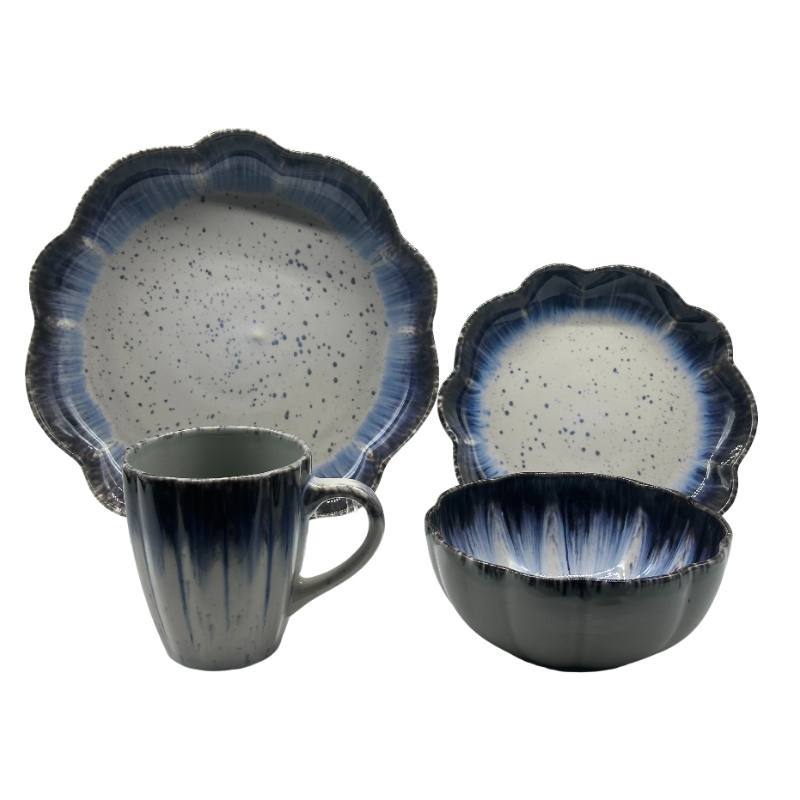
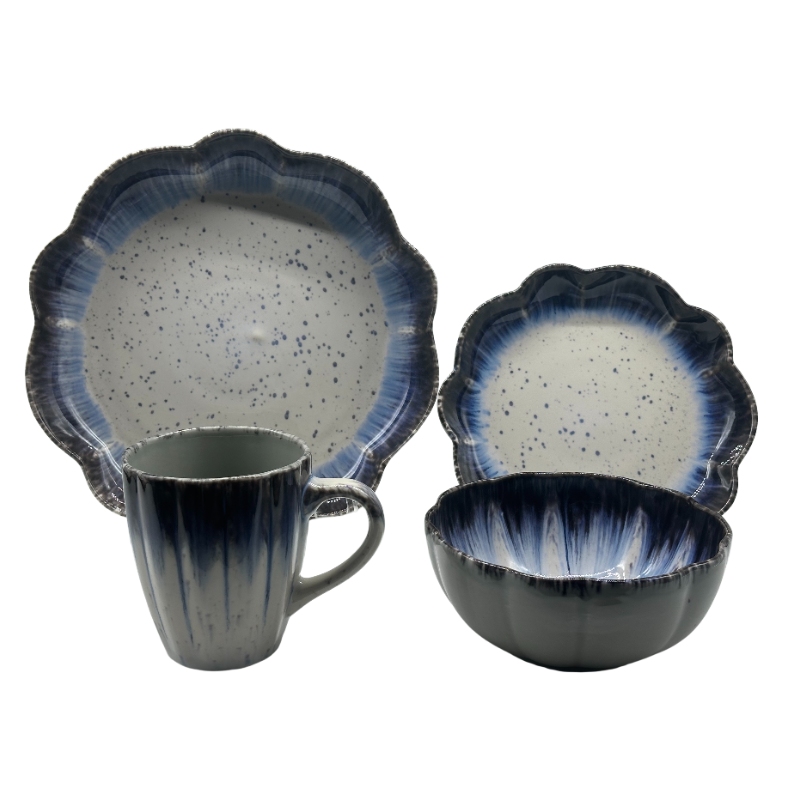
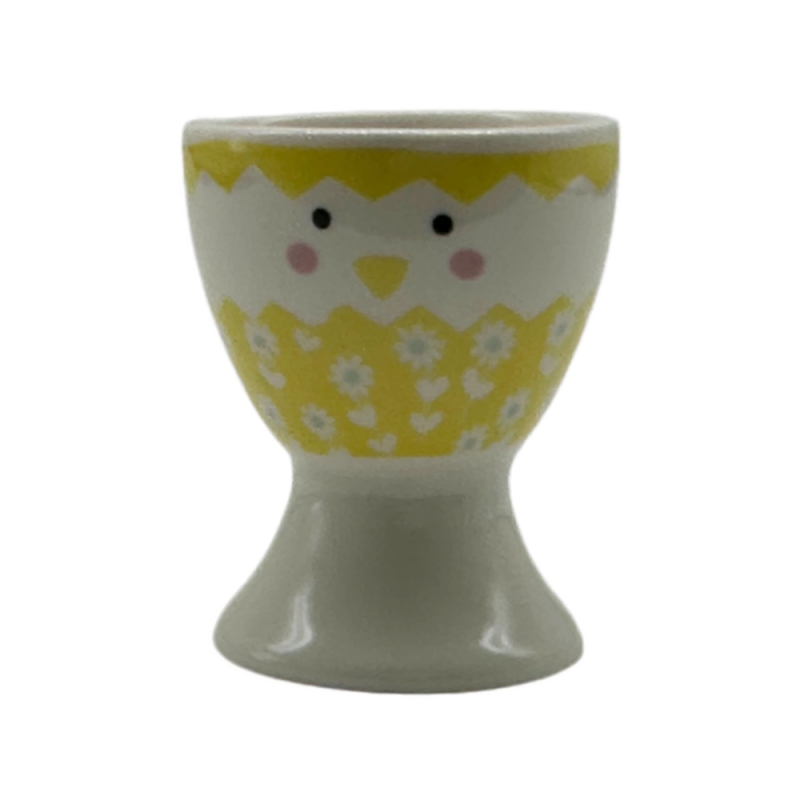
Products in this guide: 16-Piece Ceramic Stoneware Reactive Glaze Dinnerware Sets · Cute New Bone China Egg Cup – Chick Design Ceramic Egg Holde for breakfast
The Four Numbers
1. Volume per item, packed. Ask for cartons per item and cubic metres per carton — not per piece. Ceramic packing is bulky relative to value, so CBM, not weight, is usually the binding constraint on light items like mugs and bowls.
2. Weight per carton, and the container limit. A 20GP is volume-limited before it is weight-limited for most ceramics, but a container of plates or casseroles can approach the payload limit. Knowing both numbers tells you which constraint is real for your mix.
3. Carton compression strength, against the stack you will use. A container is filled floor-to-ceiling in many cases, and the bottom cartons carry the column above them. The specification to request is a compression rating (or a stacking height at a stated load) and a stacking plan, because carton strength is what decides whether floor loading is safe for your mix.
4. Loading efficiency: pallet or floor. Palletised loading is faster to unload and gentler on the goods; floor loading fits more in the same container. For a mixed order the useful comparison is pieces per container in each mode, because the difference is often a two-digit percentage — and it is a choice, not a default.
The Arithmetic in Practice
Three worked patterns buyers encounter:
- Mug-heavy order. Volume-limited. The lever is packing density: how the mugs nest inside the carton, and whether the carton is sized to the pallet footprint. A carton that does not divide into the pallet footprint wastes volume at the edges.
- Plate-heavy order. Weight matters. The lever is the plate's own weight and the packing method, because a heavier body that survives transit may still cost more to move than a lighter one that breaks.
- Mixed order with a gift item. The lever is the odd item. Retail packaging is usually the least dense thing in the container; measuring it early avoids discovering at loading that the gift boxes consumed the space the refill order needed.
What to Ask For Before Ordering
Request a loading plan with the quotation: cartons per item, CBM per carton, cartons per pallet or stack height, and pieces per container. A supplier who can produce that table is telling you two things at once — that they know their own packing, and that they can plan a mixed order rather than only quote line items.
That plan is what turns a per-item price into a delivered cost, and it is also the document that tells you whether splitting an order into two shipments would land more cheaply than one full container.
Our <a href="https://www.storiwareceramicmugs.com/products2147421/Custom-Ceramic-Tableware-Sets.htm">ceramic tableware sets</a> and the wider range are quoted with the loading plan as standard, and the <a href="https://www.storiwareceramicmugs.com/oid1756307/Custom-Ceramic-Mugs-Bulk-Order-Factory-Direct-from-China.htm">bulk order programme</a> explains how MOQ, decoration and sampling fit together. To test a specific mix, <a href="/contact-us.htm">send us your item list and quantities</a> and we will return the loading arithmetic with the price.
The spec freeze guide explains how artwork and packing files are locked between orders.
What to Put in the Order
- Cartons per item and CBM per carton, per line.
- Weight per carton, against the container payload.
- A compression rating and a stacking plan for the load.
- Pieces per container in both palletised and floor-loaded modes.
- The odd item's packed volume, measured rather than assumed.
- A loading plan attached to the quotation, not sent later.
The packaging guide explains how retail-ready and protective layers are specified together.
The Habit That Ties It Together
The habit is to evaluate an order as a container rather than as a list of prices. Buyers who do this stop discovering, at loading, that the cheapest line was the one that cost them the space.
Related Products
Explore products featured in this guide:
Have questions? See our Sizes & Finishes FAQ and Ordering & Certifications FAQ.
Need a custom quote? Send an inquiry or browse our full product catalog.