Mother's Day: Why the Family Set Beats the Single Mug
- Share
- Issue Time
- Sep 13,2026
Summary
Mother's Day is bought by families, for one person, and it rewards a set rather than a single piece. This guide covers the UK and US date split, the set structures that sell, and the ordering window.
The Problem: A Family Occasion Sold as a Single Item
Mother's Day is one of the few gifting occasions where the buyer is a group and the recipient is one person. A partner, three children and a grandparent may all contribute to a single present — which means the decision is made against a slightly higher price point than a general mug purchase, and the object needs to feel like a present rather than an add-on. Suppliers who approach it with one decorated mug leave that willingness to spend unaddressed. The occasions that perform are set-based: something that arrives as a gift and can be used at once, at home, with the family in the room.
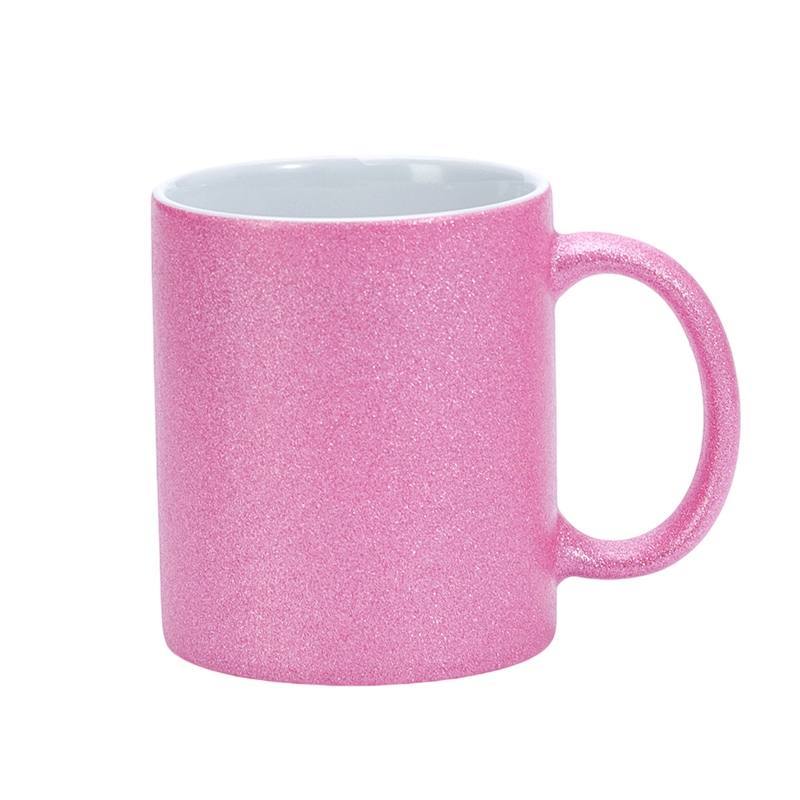
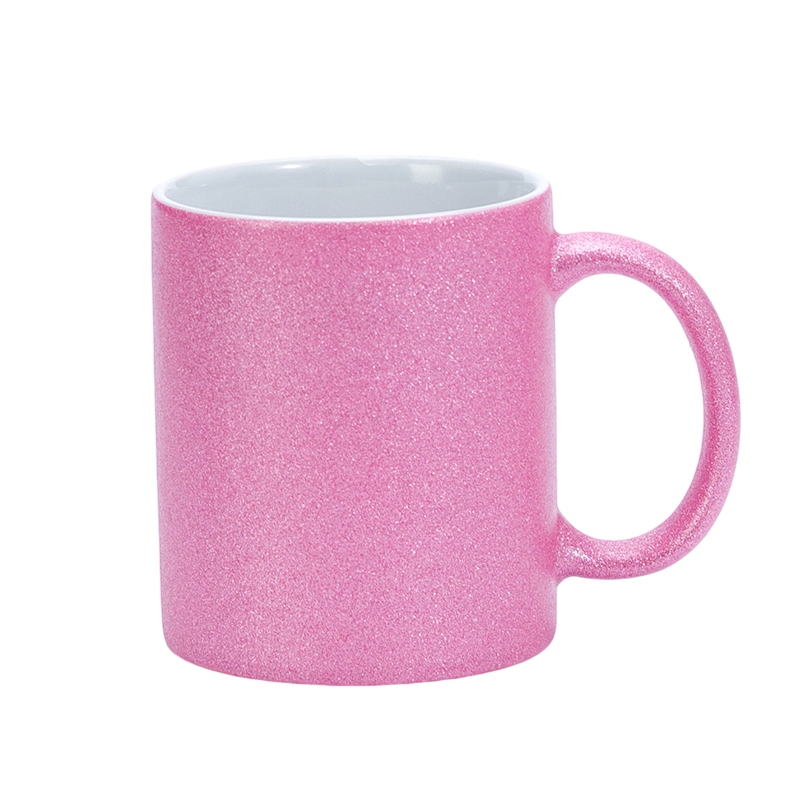
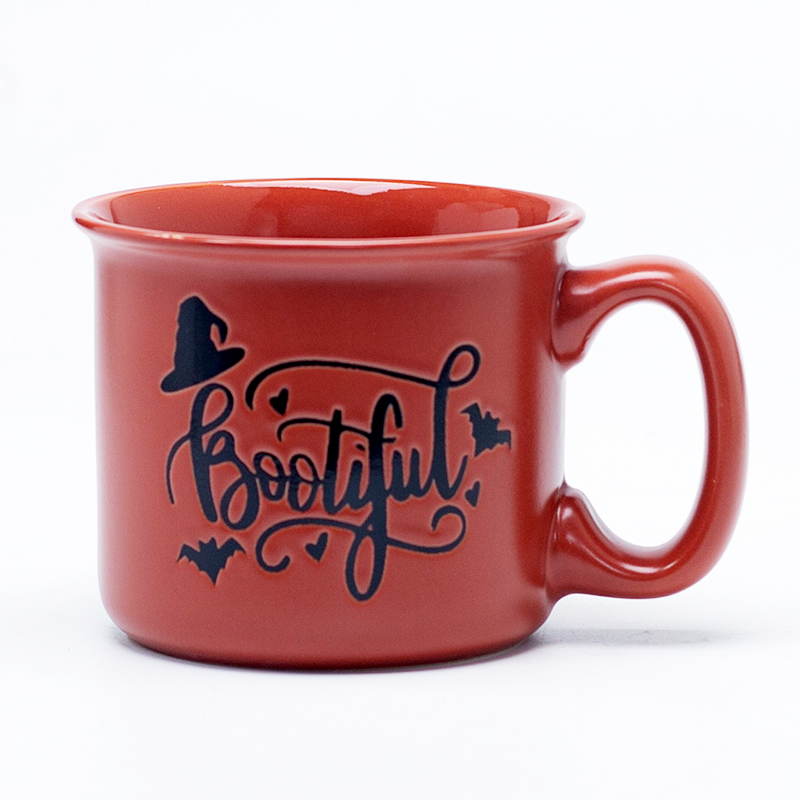
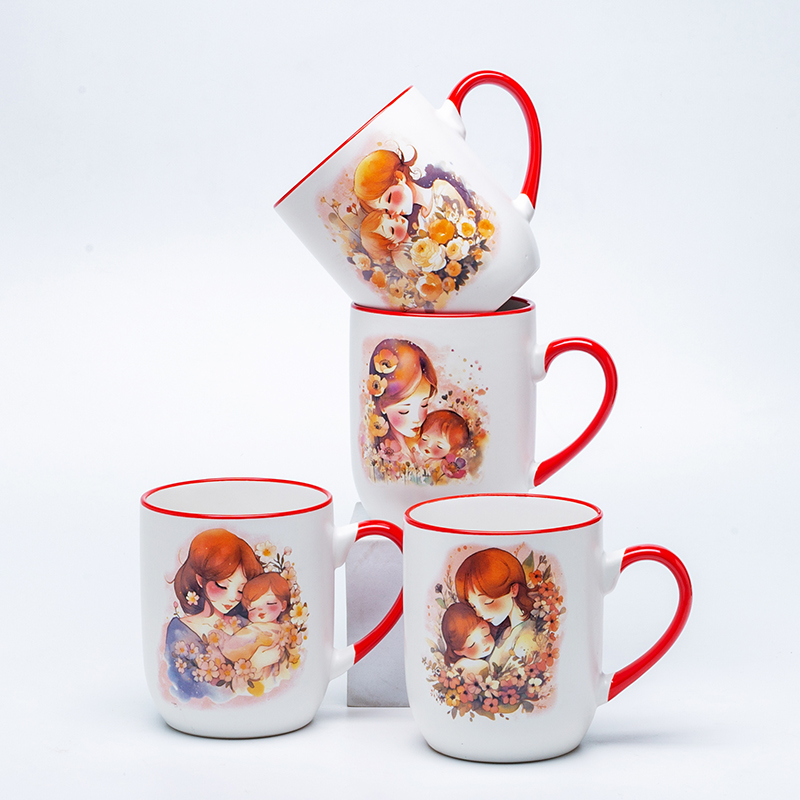
Products in this guide: 11oz Glitter Sublimation Mug · Debossed Logo Halloween Red Floral Ceramic Coffee Mugs - Red & White Spooky Pattern
Where This Fits in the Sourcing Chain
It is a calendar-and-structure problem: the date drives the order date, and the structure drives the price point. The replenishment calendar maps the ordering windows for the whole year. Because the buying window sits in the first quarter, the programme shares capacity with other spring work, which is an argument for deciding early. The quote validity guide explains how to hold prices on long programs. The full chain follows the standard sourcing map. See the full ceramic sourcing process map.
Two Dates, One Programme
The dates differ by market, and the difference matters for production planning. Mothering Sunday in the UK and Ireland falls on 7 March 2027, three weeks before Easter. Mother's Day in the United States falls on 9 May 2027. A supplier serving both markets therefore has two shelf dates eleven weeks apart, and can either produce once and hold stock, or run twice — a decision to make deliberately rather than discover in February.
The Set Structures That Work
Four structures cover most of the demand, and each has a clear place on a price ladder.
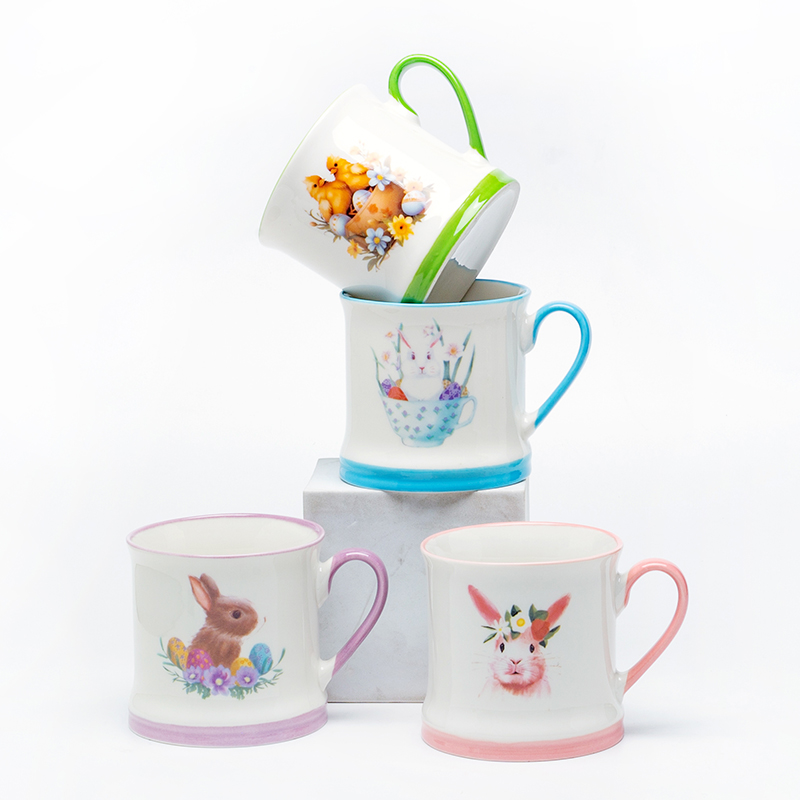
Mug and small bowl. The simplest true set: a mug for the drink and a bowl for the fruit, yoghurt or dessert that the occasion is built around. Two pieces, one box.
Breakfast or brunch set for two. Two mugs, two plates, sometimes a small jug. Sells to the household member who wants the morning itself to be the gift, and it is the structure that most reliably supports a premium price.
Mug with a personal element. The mug plus a coaster, spoon or small tray — a bundle that photographs tall and reads as considered without adding meaningful production complexity.
Four-piece family set. Two mugs and two bowls, or four of one. The volume option, and the one most exposed to freight cost, so it needs a carton plan before it needs a design.
What Separates a Gift From a Product
Three details decide whether a set reads as a present. A box that opens flat, because Mother's Day gifts are often opened with the family present and a rigid box with an insert survives that moment better than a sleeve. A card or tag, which costs almost nothing and converts packaging into a gift. A colour story rather than a motif, because florals date quickly and a good palette keeps the set sellable into the following year.
The Ordering Window
For the US date of 9 May 2027: shelf placement in the second half of April, transit and clearance four to six weeks, production four to six weeks, sampling three to four weeks — the order belongs in January to early February. For the UK date of 7 March 2027: November to early December 2026. Buyers who run both from one production run should plan against the earlier date. The replenishment calendar maps the ordering windows for the whole year.
The Habit That Ties It Together
The habit is to look at who is buying rather than at what is being sold: for Mother's Day, a group buying for one person, which is a set, not a mug. Programs that do this sell a present. Programs that do not sell a decorated mug and wonder why the price point stays flat.
Related Products
Explore products featured in this guide:
Have questions? See our Sizes & Finishes FAQ and Ordering & Certifications FAQ.
Need a custom quote? Send an inquiry or browse our full product catalog.