Orthodox Christmas: The 7 January Window Buyers Keep Missing
- Share
- Issue Time
- Sep 13,2026
Summary
A large group of markets celebrates Christmas on 7 January rather than 25 December. The gift mechanics differ from Western Christmas — quieter, more family- and table-oriented — and the ordering window is one most European and North American buyers never open.
The Problem: A Second Christmas Nobody Diarises
Buyers plan one Christmas, in December, and treat the first quarter as a slow period. For markets that follow the Julian calendar — Russia, Ukraine, Serbia, Georgia, North Macedonia, Ethiopia and parts of the Middle East — the religious holiday falls on 7 January, and the days around it are a period of family gatherings and a festive table. The commercial pattern is different from Western Christmas: less driven by retail promotions, more by hospitality and food, and often served through local distributors and specialist retailers rather than department stores.
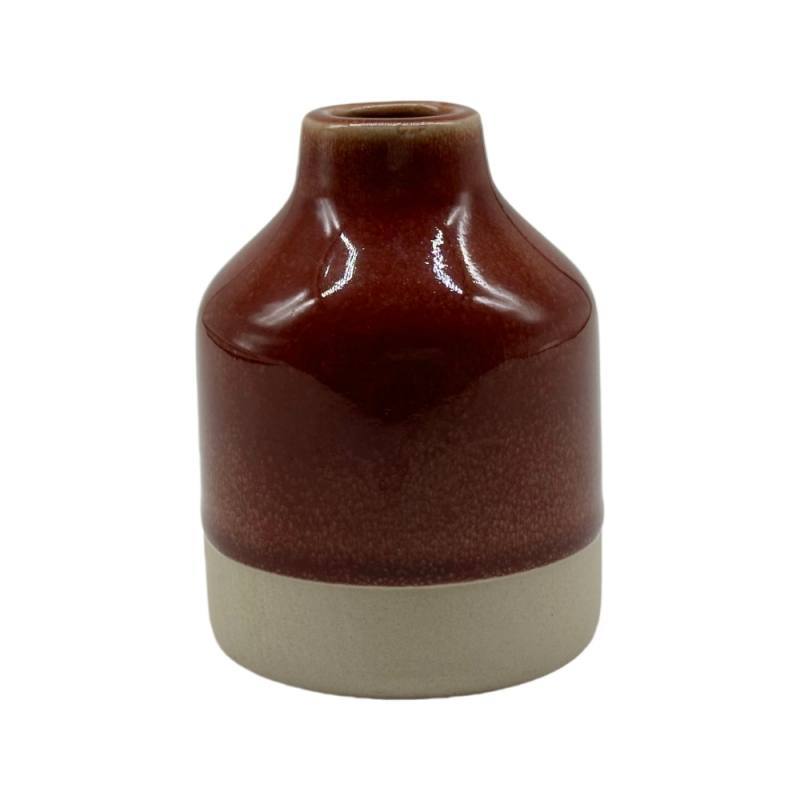
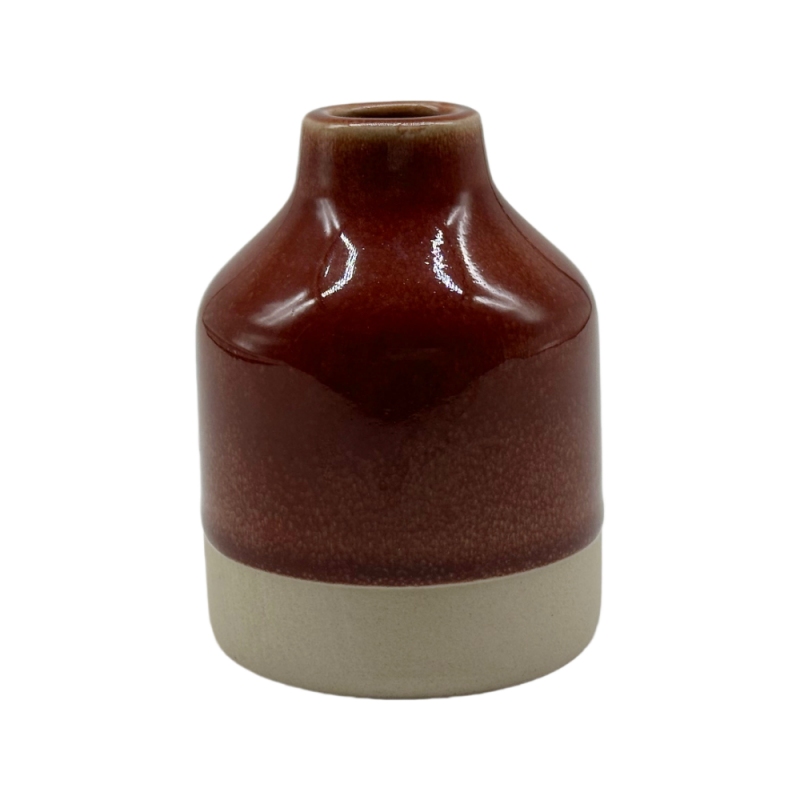
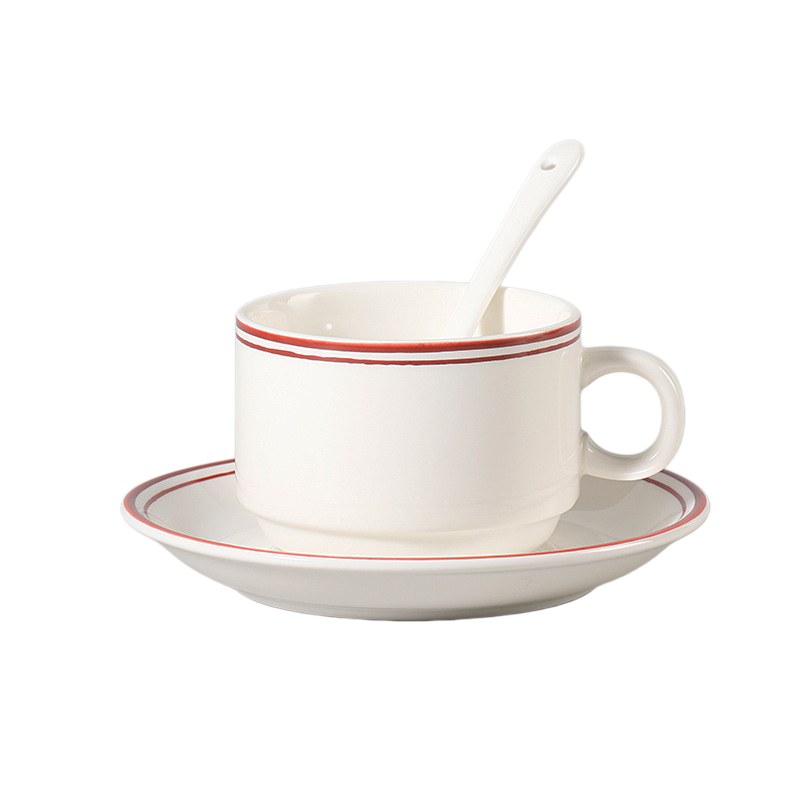
Products in this guide: Modern Ceramic Planter and Vase Set – Glazed Terracotta and Beige Accent · Custom Coffee Cup and Saucer
Where This Fits in the Sourcing Chain
It is a winter window that sits inside the same production cycle as the Western Christmas order, which is what makes it practical: one production run can serve both. The replenishment calendar maps the ordering windows for the whole year. The decision that matters is calendar placement, and the risk that matters is arrival timing. The demurrage and customs delay guide explains how arrival costs stay predictable. The full chain follows the standard sourcing map. See the full ceramic sourcing process map.
How the Occasion Differs From Western Christmas
Three differences shape what sells.
It is quieter and more domestic. Gift volume is lower and less brand-driven; the table, the food and the hosting matter more than the present. A mug sold as a Christmas gift and a mug used at the holiday table are two different products.
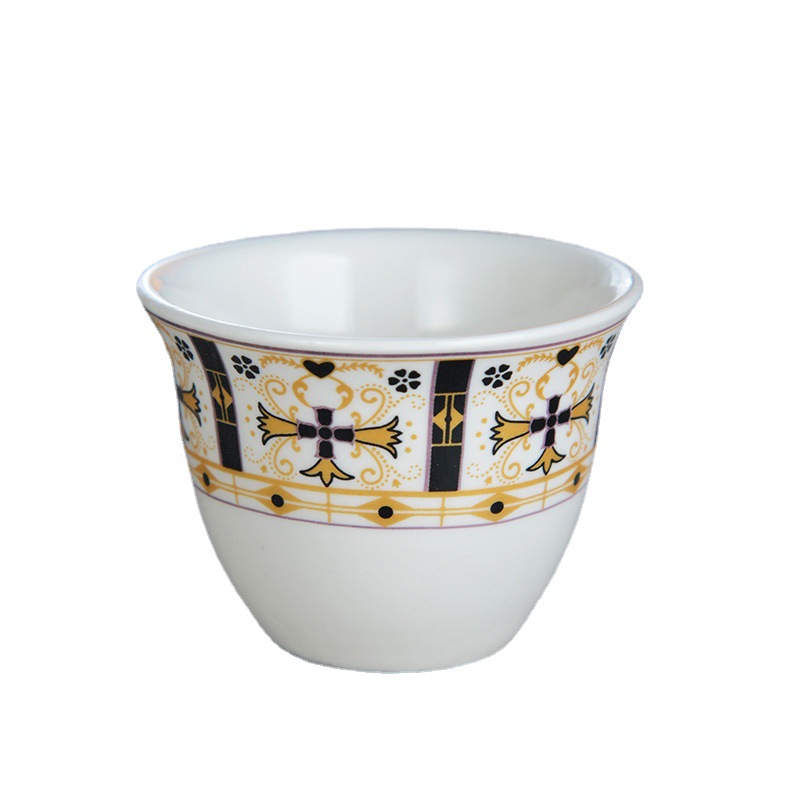
Tea service is central. Long meals, repeated tea rounds and hospitality are the defining feature, so tea glasses and saucers, teapots and small cups belong at the centre of a range for these markets — more than a large coffee mug, which is a Western form.
Winter tableware sells alongside. Serving platters, deep bowls and oven-to-table pieces are part of the same occasion, which gives a buyer a natural multi-item basket rather than a single hero product.
What Travels Well
Four items and one design direction. A tea glass with saucer or a small cup-and-saucer, in multiples. A teapot as the premium piece. A large oval platter for the festive table. A deep serving bowl, which is the most-used item in most of these households and the easiest to reorder. The design language is classic rather than playful: white, blue, gold and deep green, fine lines, generous proportions, and ornamentation that photographs as formal hospitality rather than novelty.
The Practical Checks Before Committing
Three items belong in the risk file, all commercial rather than political in nature. Payment routes and banking should be verified with the buyer's own bank, because settlement channels vary between markets and can change; the practical answer is often a confirmed structure before production rather than during it. Logistics corridors vary in cost and reliability, so the quotation should be built from a current route rather than a remembered one. Documentation and labelling for each destination should be confirmed on the current requirement, since these change. None of these prevents the business; all of them are cheaper to settle in the quotation than at the port.
The Ordering Window
For a 7 January delivery with shelf time before the holiday, the goods must leave in November — which means production in September and October, sampling in August. In practice that is the same order cycle as a Western Christmas programme, and it is why adding the January market can be done at planning stage at little extra cost. A buyer who decides in November that these markets are interesting will, by then, be quoting air freight.
The Habit That Ties It Together
The habit is to ask which calendar a market actually follows before assuming the season has passed. For a group of substantial markets, Christmas happens in January — and the supplier who planned for it in September is the one who has stock to sell when the table is set.
Related Products
Explore products featured in this guide:

Have questions? See our Sizes & Finishes FAQ and Ordering & Certifications FAQ.
Need a custom quote? Send an inquiry or browse our full product catalog.