Patrol Inspection and the Last-Off Check: Catching Drift While It Is Still Small
- Share
- Issue Time
- Sep 21,2026
Summary
A run can start correctly and end wrong. Patrol inspection checks a few pieces at intervals, and the last-off check closes the loop at the end — together they catch the slow drift that arrival inspection always misses.
The Problem: The Run That Started Well and Shipped Wrong
A production run is not a single event; it is hours or days of them. A mould wears, a slurry thickens as water evaporates, a kiln runs slightly hotter after a repair, an operator changes at the shift boundary. Each of these produces a small, gradual change — and a run can pass its first article check and still deliver pieces that no longer match it.
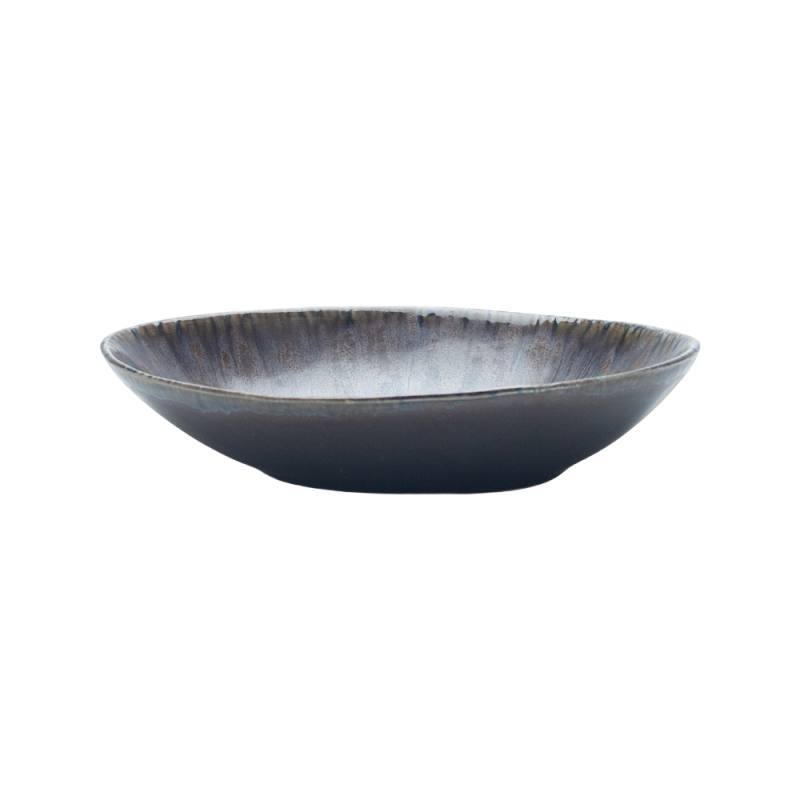
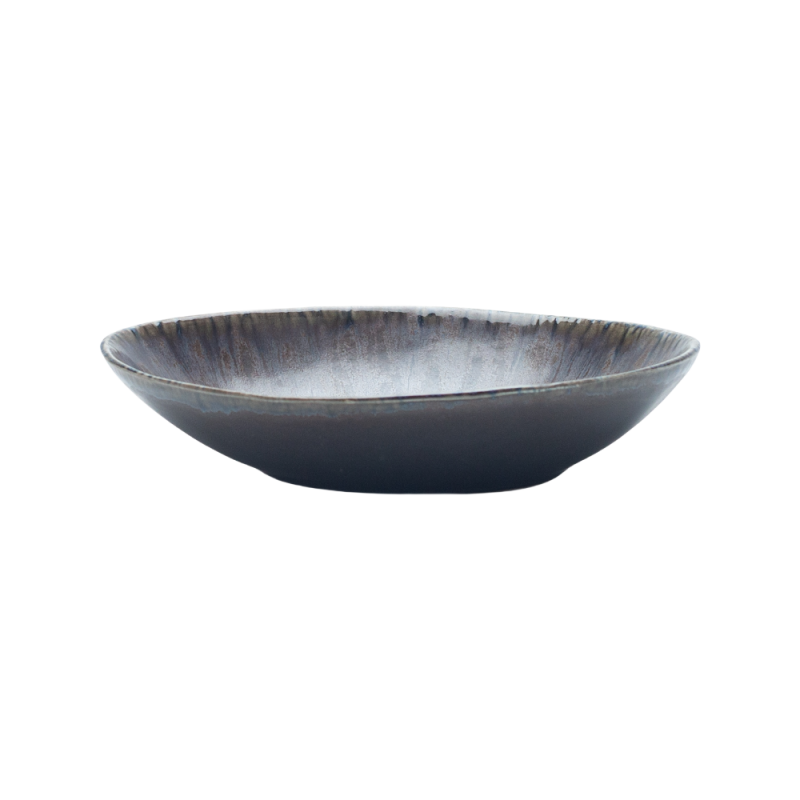
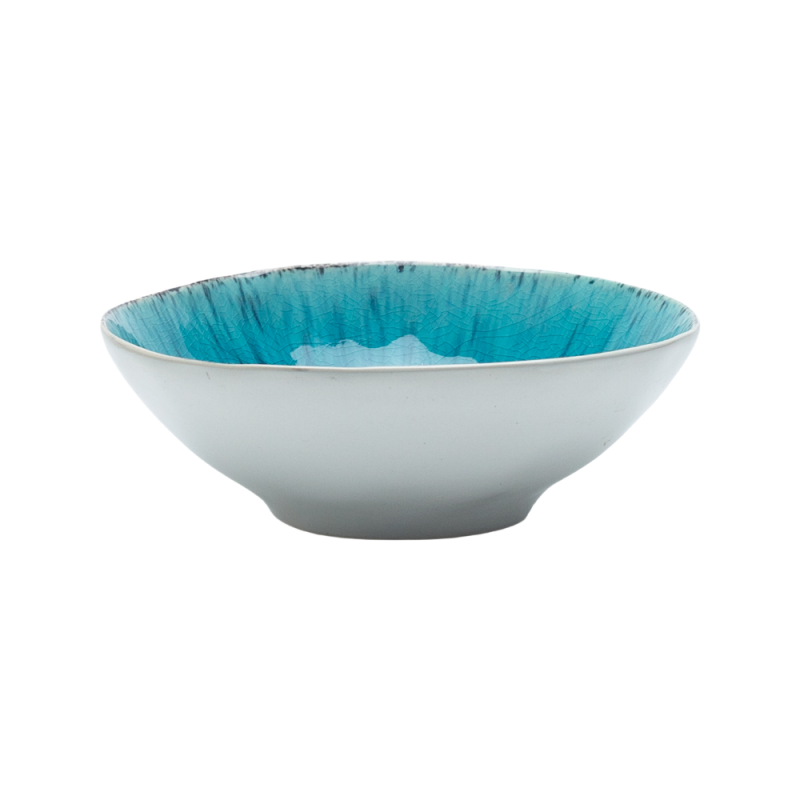
Products in this guide: Reactive Glaze Stoneware Bowl · Crackle Glaze Ceramic Bowl
Arrival inspection sees none of this. It sees the average of the run, or the part of it that was sampled, and by then the cause is gone.
Patrol Inspection: What It Is
At a defined interval, a small number of pieces are pulled and checked against a few key characteristics — not the whole specification, because a full check cannot be done every hour. The purpose is not to grade the pieces; it is to see whether the process is still where it was at the start.
Measure the things that drift. Four characteristics move during a run and are worth patrolling: weight (a proxy for wall thickness and body consistency), capacity filled to the line (which moves with the same variables and with firing), decoration registration position (which shifts with the screen or decal batch and with handling), and glaze appearance relative to the retained standard (thickness, coverage, colour). Dimensions that are fixed by a steel or plaster mould move slowly; the four above move faster.
Record the reading, not the verdict. This is the difference between a patrol that works and one that performs: a sheet that says "OK" every hour documents nothing. A sheet that records the actual weight shows a trend — and the trend is what tells you the process is drifting before the pieces are out of tolerance.
Define the interval by the process, not by convenience. Hourly or every fixed number of pieces for the drifting characteristics; at a shift change, always, because a change of operator is a change of hands.
The Last-Off Check: Closing the Loop
At the end of the run, the final pieces are checked against the same characteristics as the first. Two comparisons matter.
Last versus first. If a run starts at 340 g and ends at 331 g, the process drifted — even if both readings sit inside tolerance. The drift is the finding, and it is the reason the two ends of a run should never be judged separately.
Last versus standard. The final pieces are also compared against the retained standard, because the whole run is judged by what a customer receives, and the last pieces are often the ones packed on top.
The Action Rules
A patrol creates a duty: something has to happen when a reading moves. Three rules, stated in advance.
- A reading outside the tolerance stops the line and triggers a re-check against the first article before restarting.
- A consistent trend within tolerance — three consecutive readings in the same direction, for example — triggers a process adjustment and a raised level of attention, without stopping the line.
- An adjustment requires a re-check: after a slurry is topped up, a mould is changed or a kiln setting is modified, the next patrol reading is compared against the pre-adjustment baseline.
A patrol that produces no rule for what to do is a paperwork exercise. The rules are what turn the readings into control.
What a Buyer Can Ask For
Four items, and each one is a document rather than an opinion.
The patrol sheet for the run, with the readings as recorded. The characteristic list and the interval used. Evidence that a drift triggered an action — the entry that shows a stop, an adjustment or a re-check. And the first and last readings of the run, side by side, which is the one comparison that summarises the whole thing.
What to Write Into the Order
Three lines, and they are unusually cheap.
- The characteristics to be patrolled and the interval, named for this item.
- The readings are recorded, not just pass or fail.
- The action rules: what happens at a departure and at a trend, and the requirement to re-check after any adjustment.
The spec freeze guide explains how artwork and packing files are locked between orders.
What to Ask a Supplier
Five questions.
- Do you run a patrol inspection during production, at what interval, and on what characteristics?
- Are readings recorded, or only a pass/fail mark?
- What do you do when a reading is inside tolerance but drifting?
- Do you compare the last pieces of a run against the first?
- Can I see the patrol sheet for the last run of this item?
The Habit That Ties It Together
The habit is to ask what the process was doing in the middle of the run, not only what came out of it. Programs that do this catch drift while it is small, and stop discovering, at the port, that the last cartons packed were the worst ones.
Related Products
Explore products featured in this guide:
Have questions? See our Sizes & Finishes FAQ and Ordering & Certifications FAQ.
Need a custom quote? Send an inquiry or browse our full product catalog.