Pricing the Year: Seasonal Price Ladders for Ceramic Programs
- Share
- Issue Time
- Sep 9,2026
Summary
Selling mugs at one price all year means either leaving money on the table in peak season or discounting your way through the quiet months. This guide explains how buyers structure a seasonal price ladder — peak, shoulder and clearance tiers — that protects margin without confusing customers.
The Problem: One Price for Twelve Months Fits No Month
A mug that sells well in October and poorly in February does not deserve the same price in both — yet many programs run exactly that way, because flat pricing feels safe. The result is predictable: in peak season, stock sells out while margin sits flat; in the quiet months, panic discounts appear that customers quickly learn to wait for. The alternative is a seasonal price ladder — a planned structure of price positions across the year that captures peak willingness to pay, keeps the shoulder periods moving, and clears tail stock without teaching customers to hold their wallets. This guide explains how to build one: the three tiers, where holiday and everyday products sit differently, and the rules that keep the ladder honest.
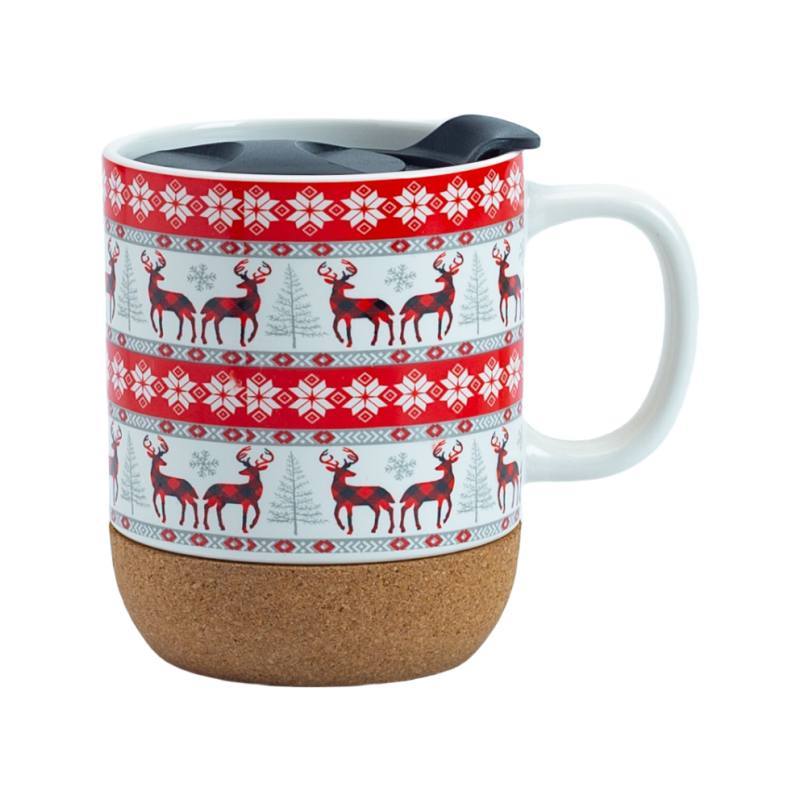
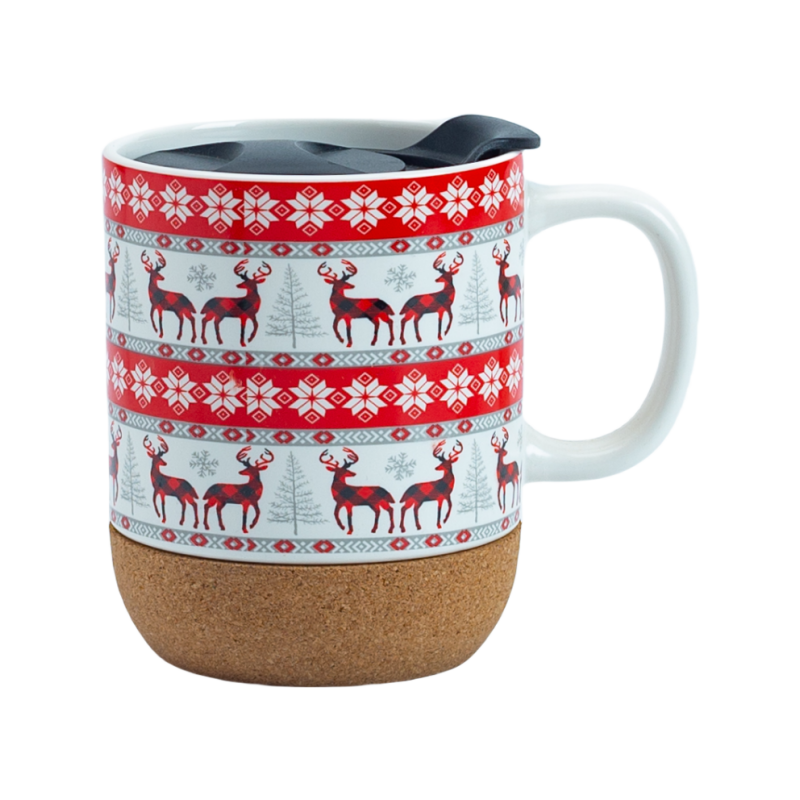
Products in this guide: 14oz Christmas Ceramic Mug with Cork Base · Novelty Ghost Ceramic Mug
Where This Fits in the Sourcing Chain
The ladder only works on top of a plan for what arrives when — the ordering calendar is its physical foundation. The replenishment calendar guide maps the ordering windows for the whole year. Each tier's pricing starts from the tier structure of the assortment itself, where good, better and best anchor the customer's expectations. The distributor assortment guide shows how good, better and best tiers anchor the shelf. And the volume side of the calendar runs on the same rolling forecasts that set factory commitments. The blanket order and rolling forecast guide shows how to commit volume for the year. The full chain follows the standard sourcing map. See the full ceramic sourcing process map.
The Three Tiers of the Ladder
Peak season is a positioning opportunity, not a discount event. When demand is highest, the discipline is to hold or slightly raise price positions on in-demand items and let availability do the selling. Holiday-themed products live here — their window is short, their willingness to pay is real, and discounting them early is the most common self-inflicted wound in seasonal retail.
The shoulder periods reward structure, not price cuts. The months either side of a peak need a reason to sell that is not "cheaper": bundle a mug with a plate, move gift items into self-purchase positioning, or give everyday lines their seasonal slot (back-to-school, summer outdoor dining). These are assortment moves dressed as pricing moves — the price stays, the offer changes.
Clearance is a rule, not a panic. Tail stock — last year's pattern, the odd sizes, the discontinued colourway — should exit through a planned channel at a planned floor price: a one-off clearance window, a secondary channel, or a lot sale. The two rules that keep clearance from poisoning the ladder: it happens on a schedule the buyer chooses, and it never touches current-season SKUs.
Where Holiday and Everyday Products Sit Differently
Holiday items are natural ladder-climbers: their price position peaks with their demand and their exit is scheduled from the start — clearance is part of their life cycle, not a failure of it. Everyday products are the opposite: they carry the year, and their price should be boring — stable positions, occasional structure offers, no seasonal swings that train customers to wait. Mixing the two behaviours is the classic error: discounting the everyday line during a holiday promo because "everything is on offer" quietly teaches customers that the everyday price was never real.
The Rules That Keep the Ladder Honest
First, every tier is planned before the season, not improvised during it — the calendar that schedules orders also schedules price changes. Second, each move has a reason the customer can see: a bundle, an event, a final window — never a discount that exists only because stock is uncomfortable. Third, review the ladder once a year against what actually sold, the same review that tunes the assortment tiers. A price ladder run this way stops being a discount strategy and becomes what it really is: a second calendar, running on the same rhythm as your containers.
Related Products
Explore products featured in this guide:



Have questions? See our Sizes & Finishes FAQ and Ordering & Certifications FAQ.
Need a custom quote? Send an inquiry or browse our full product catalog.