Product Copy for Gift Ceramics: The Words That Turn a Mug Into a Present
- Share
- Issue Time
- Sep 16,2026
Summary
Gift products are chosen in seconds and explained in lines. The copy that surrounds a ceramic piece does as much commercial work as the decoration — and most suppliers never discuss it.
The Problem: The Words Are Part of the Product
A buyer choosing a gift is not comparing specifications; they are looking for a reason to believe that this object is the right one for a particular person. That work is done by words — on the packaging, on the product page, in a marketplace listing — and it is usually written last, quickly, by whoever is available. The result is a category full of copy that describes materials accurately and sells nothing: 350 ml, ceramic, dishwasher safe, boxed. All true, all useless.
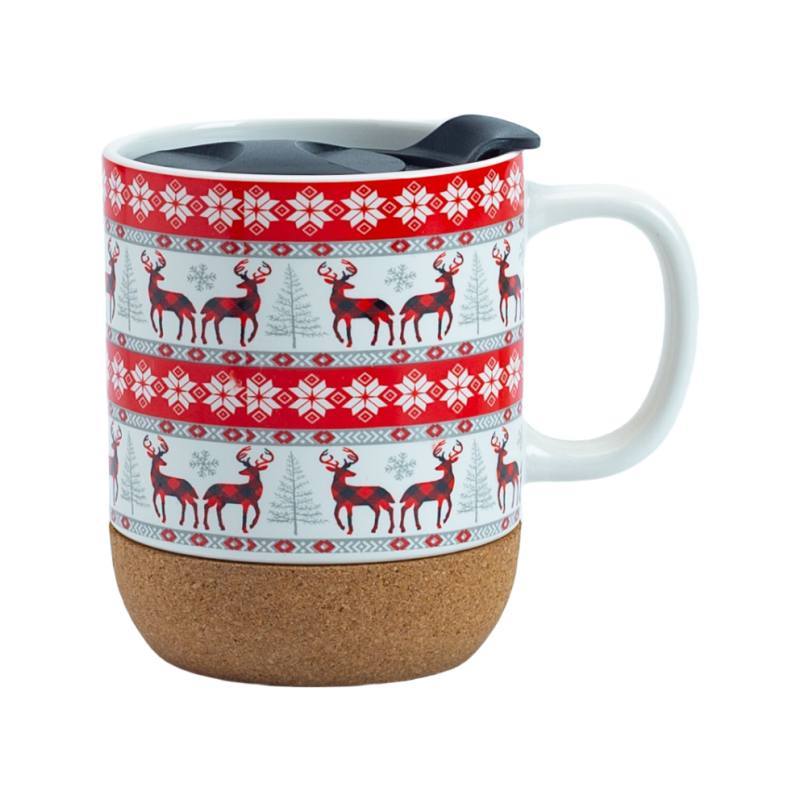
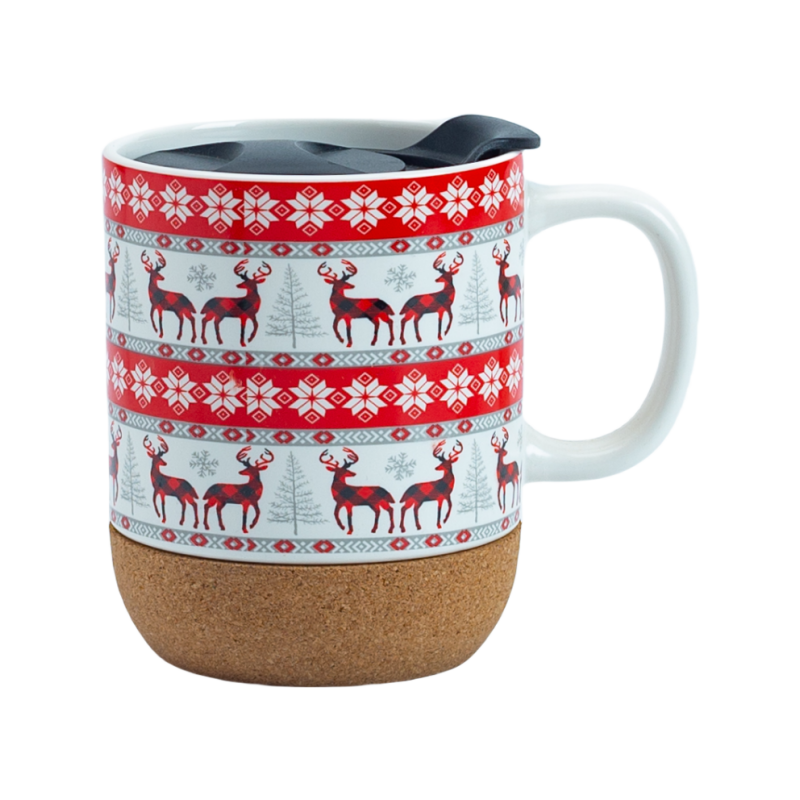
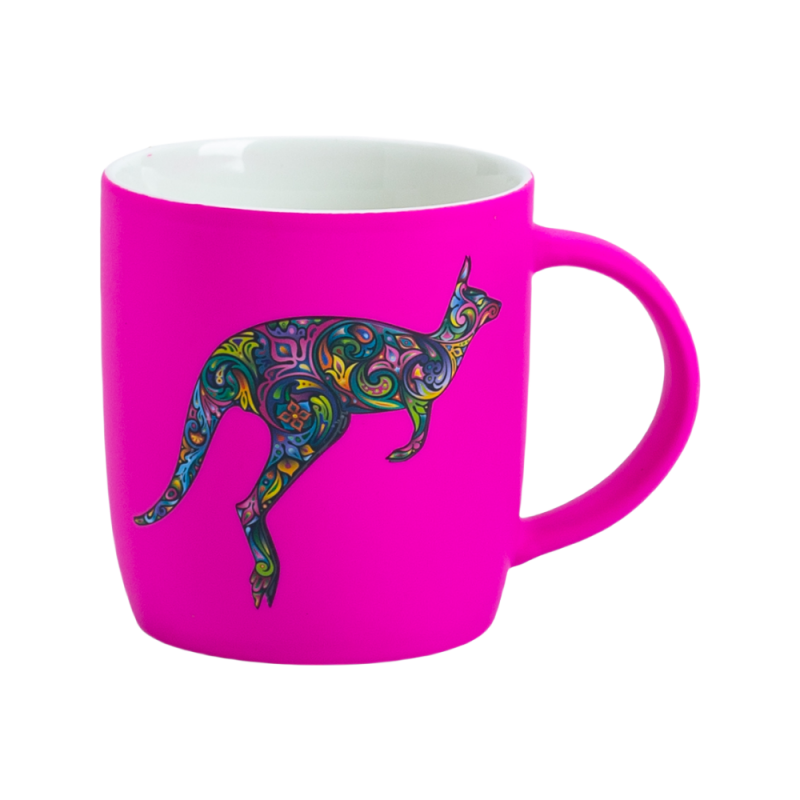
Products in this guide: 14oz Christmas Ceramic Mug with Cork Base · Soft Touch Promotional Mug
Where This Fits in the Sourcing Chain
Copy sits on top of the specification, which means it can only be as good as the specification underneath it: if capacity, material and care are not documented, the words will be vague. The spec freeze guide explains how artwork and packing files are locked between orders. The packaging text is part of the product decision rather than a printing afterthought. The packaging guide explains how retail-ready and protective layers are specified together. The full chain follows the standard sourcing map. See the full ceramic sourcing process map.
The Structure That Works
Lead with the occasion, not the object. "For the person who makes the morning coffee" is a stronger opening than "11 oz ceramic mug". The object is what it is; the occasion is why it is being bought.
Name the recipient, not the category. Gift copy that describes who the piece is for does more work than any adjective, because it lets the reader recognise someone. This is also the single most common omission.
State the physical facts plainly and once. Capacity in a unit the customer recognises, material, and whether it is dishwasher and microwave safe. Put them in a short list rather than scattered through prose. Accuracy here is not only fair to the buyer; it is the cheapest returns policy available.
Say what it feels like. Weight, finish, whether the base is wide, whether the handle fits a full hand. Touch is what separates a good mug from a cheap one, and words are the only way to convey it in a listing.
The Marketplace-Specific Rules
Marketplaces reward a different structure from a brand page. A title must combine the object, the occasion and the key attribute in a readable order, because it is doing search work as well as description. Bullets should lead with benefit and end with fact, since that is the order in which they are read. The first image is the listing, and the copy's job is to confirm what the image promised rather than to introduce something new.
The Honesty Rules That Protect Everyone
Four lines that should never be crossed, all of them commercially motivated rather than merely ethical.
No health or medical claims. A mug does not improve sleep, reduce stress or boost immunity, and claiming so is regulated in most markets — it converts a product page into a compliance risk.
No invented scarcity. "Only 50 made" must be true, because a customer who sees the same item for sale next quarter will not buy the story again.
No material ambiguity. If a component is wood, say wood; if a rim is gilded, say it is not microwave safe. A buyer who discovers a surprise returns the item and blames the brand, not the supplier.
No capacity inflation. A jar described as one litre that holds less with the lid closed is the most common cause of a mismatch complaint in homeware.
What a Supplier Can Do About It
Three practical contributions, all of which cost almost nothing. A specification sheet with the physical facts a copywriter would otherwise guess at. Accurate usage photographs — the piece in a hand, in use, at scale — because writers describe what they can see. And a short list of honest claims — dishwasher safe, microwave safe, material, origin — that the buyer's marketing team can rely on and repeat. Suppliers who provide these become the easiest partner to work with, which is a commercial advantage in a category where products look alike.
The Habit That Ties It Together
The habit is to treat the words as a component of the product. Programs that do this sell the same mug at a higher price because the buyer understands why it is a gift.
Related Products
Explore products featured in this guide:
Have questions? See our Sizes & Finishes FAQ and Ordering & Certifications FAQ.
Need a custom quote? Send an inquiry or browse our full product catalog.