Quote Validity: Why Ceramic Prices Expire and How to Lock Them In
- Share
- Issue Time
- Sep 9,2026
Summary
A ceramic quotation is a snapshot of moving costs — materials, energy, freight, exchange rates — and every quote carries an expiry for a reason. This guide explains what drives price movement, how quote validity periods actually work, and the mechanisms buyers can use to hold prices on long programs.
The Problem: The Quote Was Right When It Was Written
A buyer requests a quote in March, finishes internal approvals in June, and returns to find the price has moved — sometimes slightly, sometimes not slightly. The instinctive reaction is to suspect opportunism. The realistic explanation is arithmetic: a ceramic quotation is a snapshot of several moving inputs — materials, kiln energy, labour, packaging, freight, and the exchange rate between the quote currency and the factory's costs. None of these wait politely for internal approval cycles. Quote validity exists because both sides need to know at which point in time the numbers were true. This guide explains what moves prices, how validity works in practice, and — the useful part — the mechanisms that let a buyer hold a price on a long program.
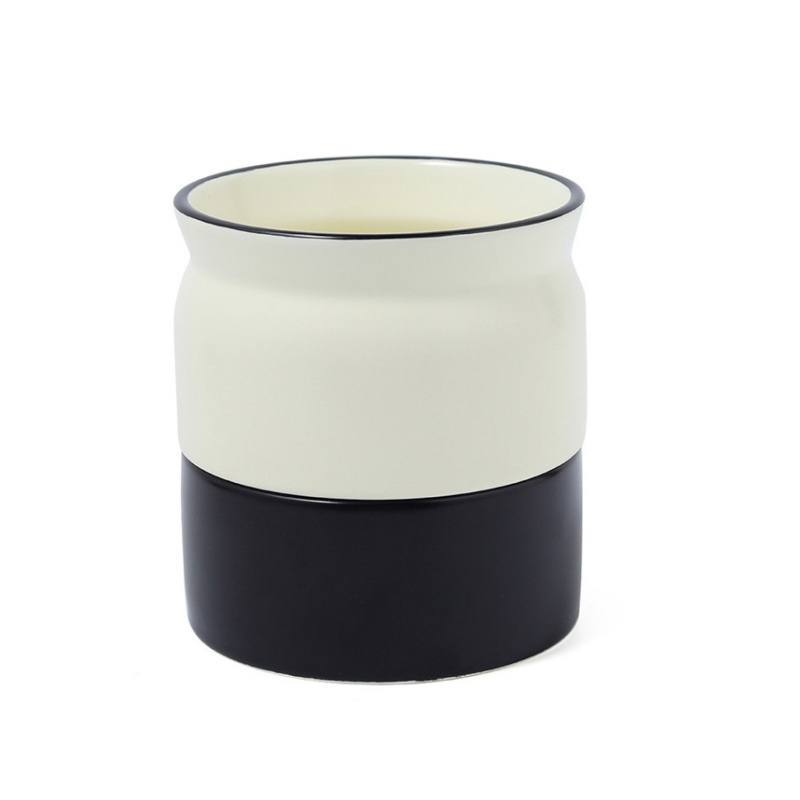
Products in this guide: Nordic Ceramic Chopstick Holder · Nordic Style Ceramic Chopstick Holder
Where This Fits in the Sourcing Chain
Validity is the front door of the pricing relationship: the first quote sets it, The container inquiry checklist shows how to get that first quote right. the annual review resets it, The annual price review guide explains how renegotiation works with data. and the ordering calendar decides when a lock actually needs to be exercised. The replenishment calendar guide maps the ordering windows for the whole year. The full chain follows the standard sourcing map. See the full ceramic sourcing process map.
What Actually Moves Between Quote and Order
Three families of inputs dominate. Inputs priced in cycles: materials and kiln energy move with markets and seasons, and packaging paper does too. The currency layer: quotes are usually issued in the buyer's currency while the factory's costs sit in its own — exchange movement alone can move a landed number by a visible margin without anything else changing. The volume assumption: a quote is true for the quantity quoted; the same mug at double the quantity sits on a different cost curve. When a price "changes", it is almost always one of these three, and asking which one is the professional opening move — it turns a vague dispute into a specific conversation. The annual price review guide explains how renegotiation works with data.
How Validity Periods Work in Practice
A typical ceramic quote carries a validity window — commonly around thirty days for standard items, sometimes longer for stock bodies with stable inputs. The window is not a trick; it is the factory's own commitment device, and it works in the buyer's favour when used deliberately: get the quote, decide inside the window, and the numbers hold. Long approval processes are the real enemy — if your internal cycle takes eight weeks, say so at quote time and ask the validity to be structured for it. Factories can quote longer windows for programs that are near commitment; what they cannot do honestly is freeze inputs for a season on an order that may never exist.
The Locking Mechanisms That Actually Work
For buyers running long programs, four mechanisms carry the load:
- Order inside validity, schedule inside the year. The simplest lock: convert the quote into a placed order — even a modest first tranche — and schedule the balance. A placed order converts a snapshot into a commitment.
- Deposit-anchored pricing. A deposit order fixes price and production slot together; the mechanism most factories offer for seasonal programs where the buyer wants the current price and the capacity, without taking full delivery immediately.
- The annual framework price. For repeat programs, a yearly price agreed at the annual review — with a defined review date and, in some structures, agreed adjustment triggers — replaces thirty-day quotes with a twelve-month position. The annual price review guide explains how renegotiation works with data.
- Split quotes for split programs. Where volumes are uncertain, ask for a two-level quote — one price at the firm quantity, one at the upside — so the lock and the volume assumption are both explicit.
The Habit That Ties It Together
Whichever mechanism you use, the habit that makes pricing stable is candour about timing: tell the factory when you will order, tell your team when the quote expires, and treat the validity window as a milestone in the sourcing calendar rather than fine print. Buyers who do this stop experiencing price movement as betrayal and start managing it as weather — real, predictable in pattern, and survivable with the right preparation.
Related Products
Explore products featured in this guide:


Have questions? See our Sizes & Finishes FAQ and Ordering & Certifications FAQ.
Need a custom quote? Send an inquiry or browse our full product catalog.