Resorts and All-Inclusive Properties: Ceramics That Live Outdoors
- Share
- Issue Time
- Sep 26,2026
Summary
An all-inclusive resort serves food and drink where the guests actually are — by the pool, on the terrace, at the beach bar. That moves tableware outdoors, where chlorine, salt, UV and concrete decide the specification.
The Problem: Service Follows the Guest Outdoors
An all-inclusive property is judged on how little the guest has to do. That means food and drink are served at the pool, on the terrace, at the beach bar and in the garden — not in a controlled dining room. Tableware therefore lives outdoors for most of its life, and the outdoor environment is the specification: chlorine and salt attack decoration, UV fades surface print, a concrete pool deck is an unforgiving floor, and a guest who takes a cup to the water rarely brings it back.
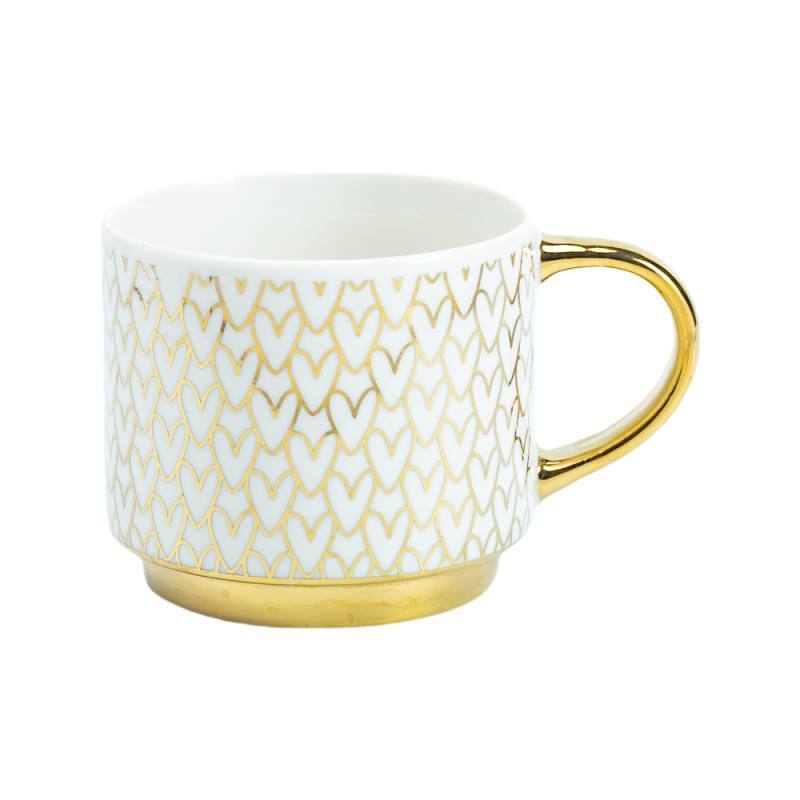
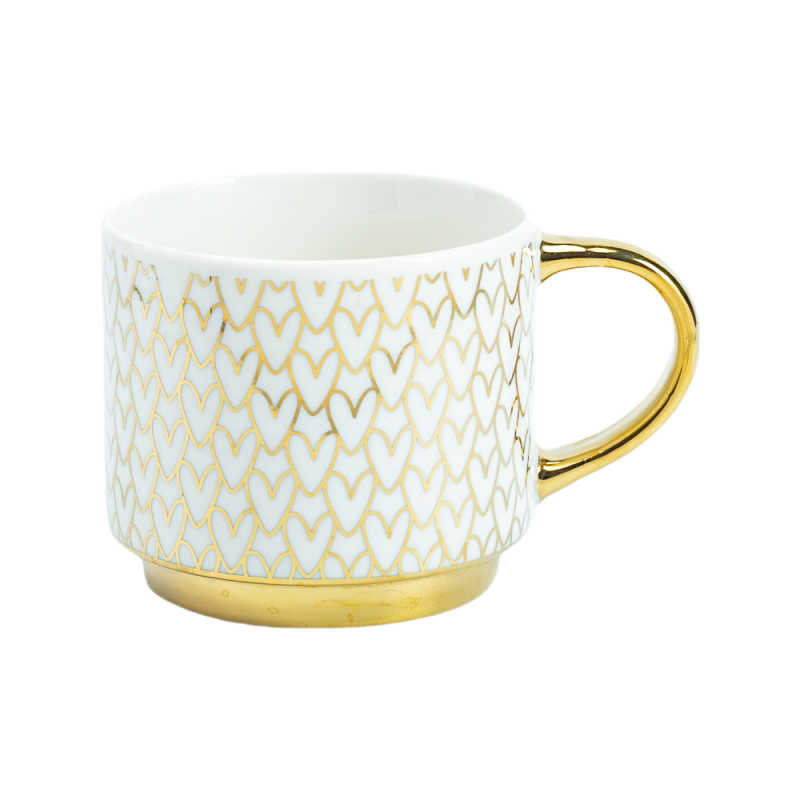
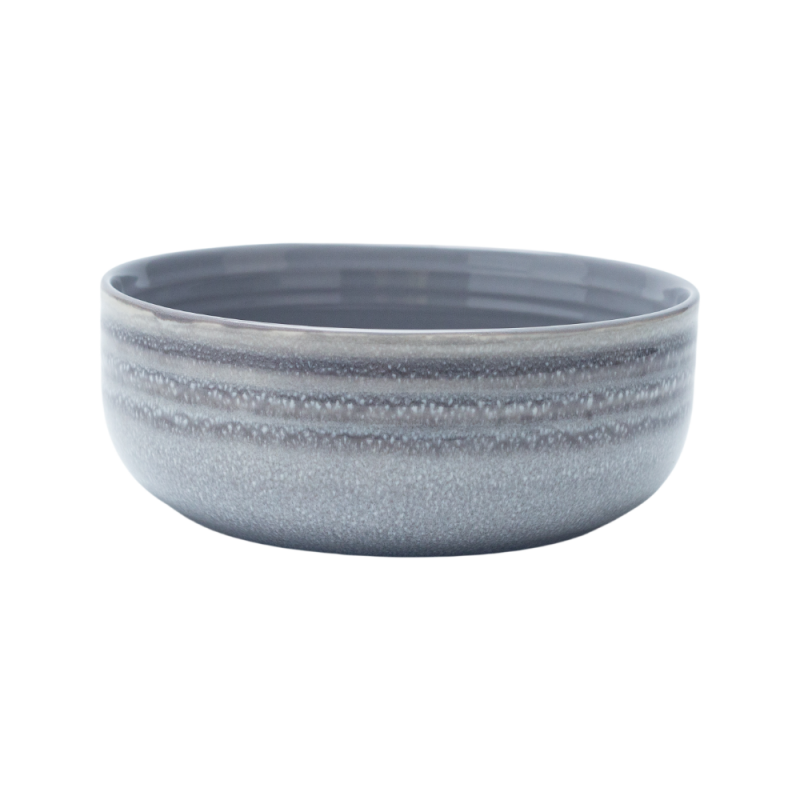
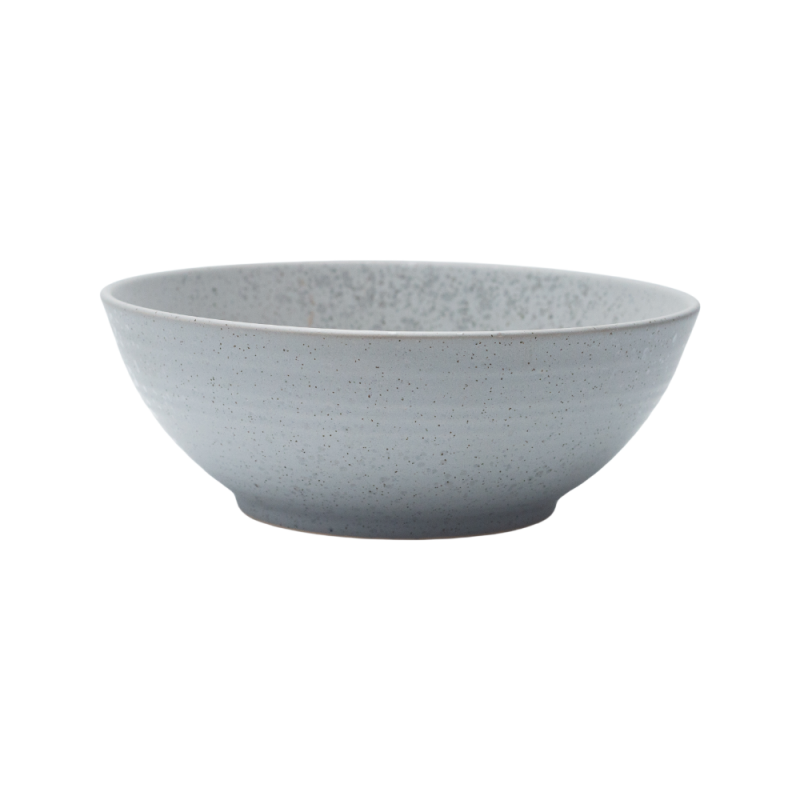
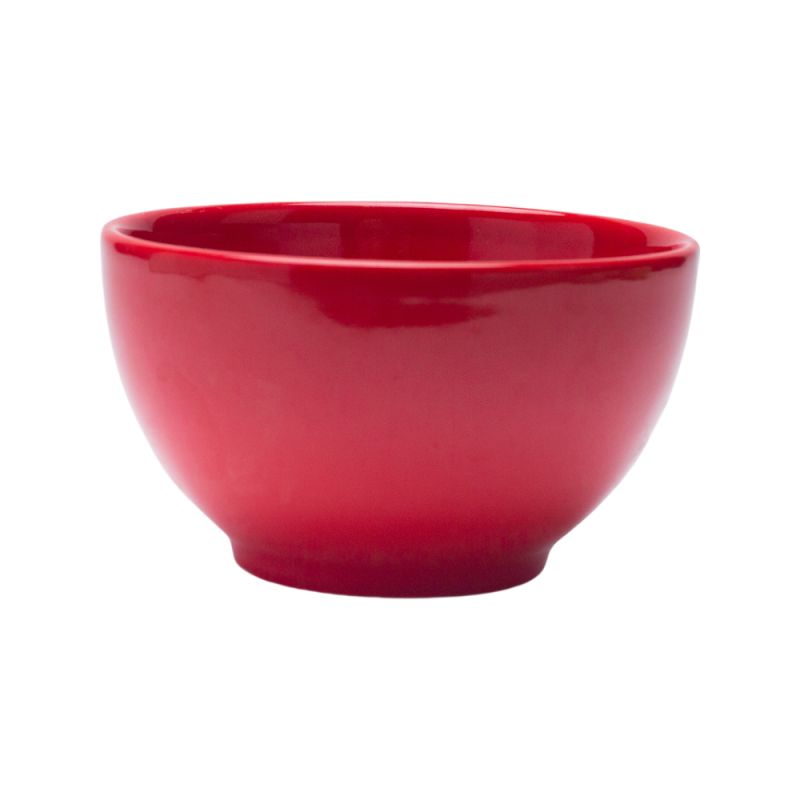
Products in this guide: Gold Handle Ceramic Mug · Reactive Glaze Stoneware Bowl
Four Specifications
Decoration built for chemical exposure. Chlorinated water and salt air attack a surface print in a way that a dining room never does. Fired decoration beneath the glaze is the version that survives; a printed band on an external surface is the version that looks worn by mid-season. For logos and patterns on poolside ware, this is the single most important line in the brief.
Impact, on the floor that actually exists. The relevant test is not a laboratory cabinet: it is a drop onto a hard, uneven surface from the height at which a guest lets go of a glass at a table. A wall thickness and a rim profile chosen for that test are worth more than an elegant profile that looks better in a photograph.
Colour zoning, to make the ware findable. At a large property, service points are distributed: pool bar, beach bar, terrace, main restaurant. Colour coding by zone — a coloured foot, a body colour, a fired band — lets staff return stock to the right point and makes loss visible on a daily walk. It costs little at the mould and decoration stage and saves a surprising amount of labour.
Buffet volume and stack height, as in any large operation. Breakfast and dinner service at an all-inclusive property moves a very large number of covers in a short window, and the storage room behind it is limited. Nesting height and stack height are therefore specifications, and so is thermal robustness, because the dishwasher runs a continuous cycle through the season.
Loss Rates and the Plastic Question
Two pressures are converging in this channel. The first is the loss rate: poolside ware disappears at a higher rate than dining room ware, and a property that knows its pieces-per-hundred-rooms figure can plan replacement instead of reacting. The second is single-use reduction: properties removing disposable cups need a reusable piece that guests will actually accept — which is as much about appearance and weight as about material. A reusable cup that feels cheap gets left behind; the specification is therefore partly behavioural, and the practical answer is a piece that looks like something a guest would keep.
High-Season Replacement
Resorts have a peak and a shoulder. Stock that fails in peak cannot wait for the shoulder to be replaced, so the programme needs a single-piece replacement price, a replenishment lead time and — where the property is remote — a specified float carried on site. This is the same arithmetic as a cruise ship at a smaller scale, and it is decided by the same two figures.
Questions to Ask a Supplier
- Is the decoration fired beneath the glaze, and how does it behave under chlorine and salt air?
- What drop test has the piece passed, onto a hard uneven surface?
- Can pieces be colour-coded by zone at the foot or body, at what minimum?
- What thermal-cycle testing has been run, and with what cycle count?
- What is the single-piece replacement price and the replenishment lead time in season?
- What is the fired weight, and how does that affect handling for staff carrying a stack?
The spec freeze guide explains how artwork and packing files are locked between orders.
What to Put in the Order
- Fired decoration, expressly required for outdoor use.
- A drop test onto a hard surface, with a figure.
- Zone colour coding, with the range fixed.
- Nesting and stack height, against the storage room.
- Thermal-cycle requirement, with cycle count.
- Single-piece replacement pricing and an in-season lead time.
The packaging guide explains how retail-ready and protective layers are specified together.
The Habit That Ties It Together
The habit is to specify the piece for the pool deck rather than the dining room. Properties that do this replace less, keep the zones stocked, and stop losing the guest experience at the point where the guest is most relaxed.
Related Products
Explore products featured in this guide:
Have questions? See our Sizes & Finishes FAQ and Ordering & Certifications FAQ.
Need a custom quote? Send an inquiry or browse our full product catalog.