Retiring a Ceramic SKU Without Breaking the Program
- Share
- Issue Time
- Sep 10,2026
Summary
Every ceramic catalog eventually carries SKUs that no longer earn their place. This guide explains when retirement makes sense, how last-time-buy and runout mechanics work, and how to replace a line cleanly — from successor specs to channel communication — so the program keeps its shelf space and its buyers.
The Problem: Catalogs Drift
A program that starts with six SKUs becomes fifteen, then twenty-five, and nobody remembers agreeing to it. Some lines sell steadily, some plateau, and a few turn into exactly the kind of stock the warehouse hates — slow, bulky, and always in the way. Buyers rarely decide to retire a product on purpose; it happens by neglect, which is the worst possible way, because neglect gives no one time to plan. Treated deliberately, retiring a ceramic SKU is a routine piece of catalog hygiene: the product leaves the range on a schedule, its replacement arrives with continuity in the places that matter, and the shelf never shows a gap. This guide walks through the signals, the mechanics, and the communication that make retirement uneventful — which is the goal.
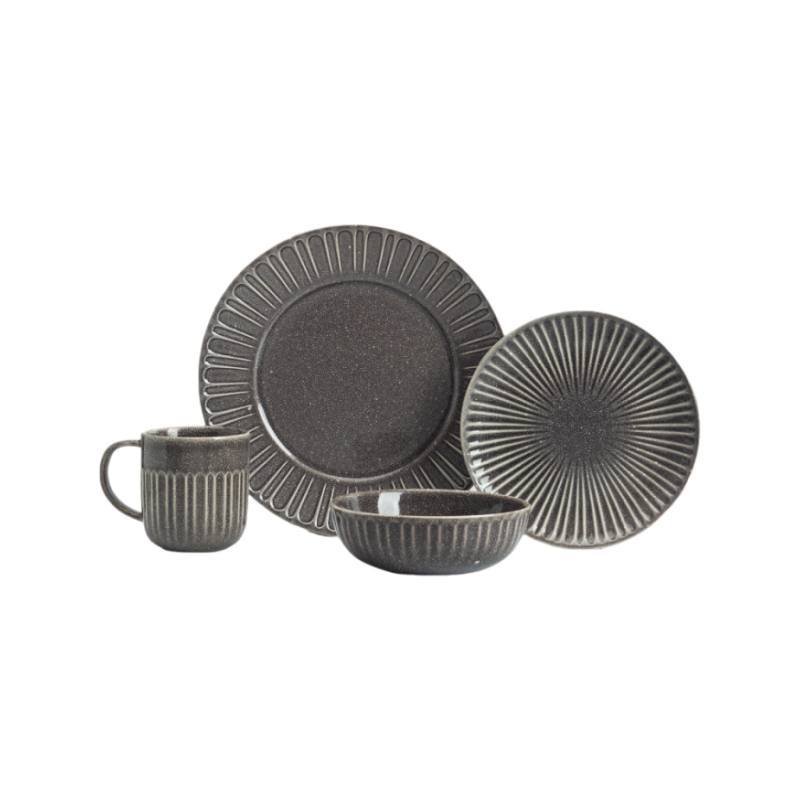
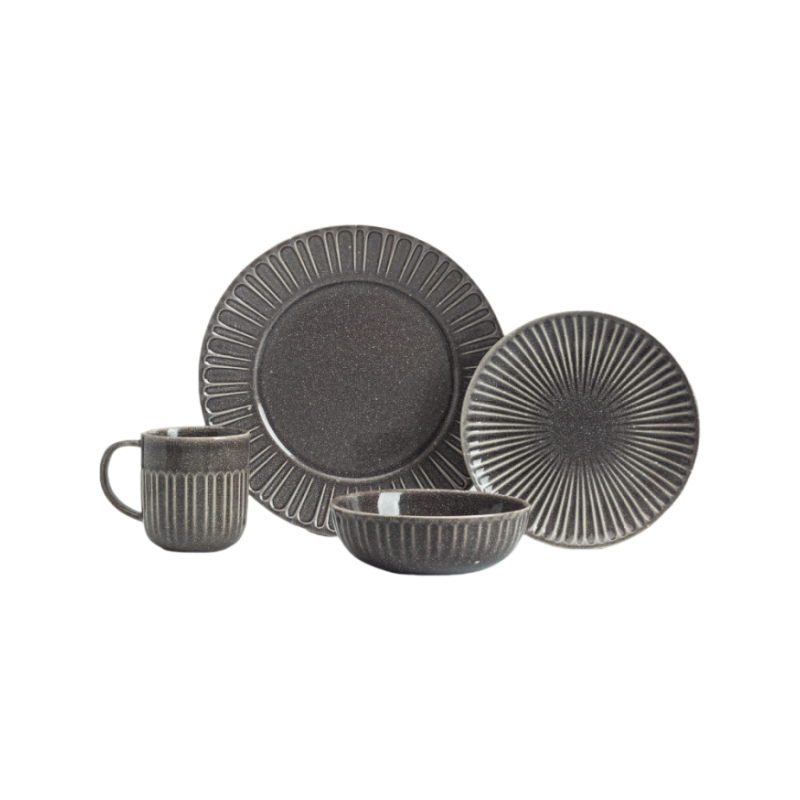
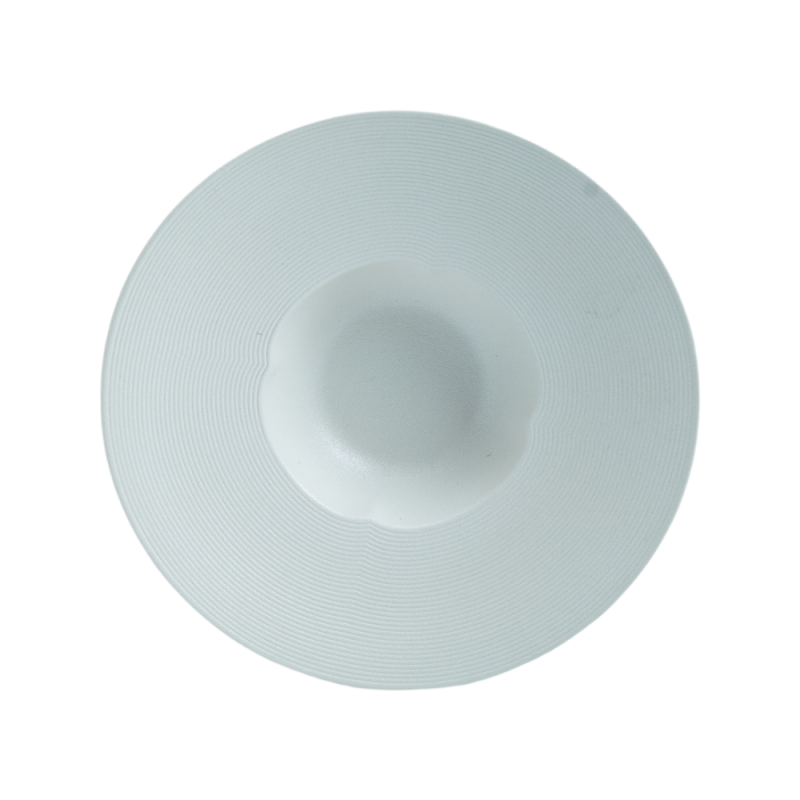
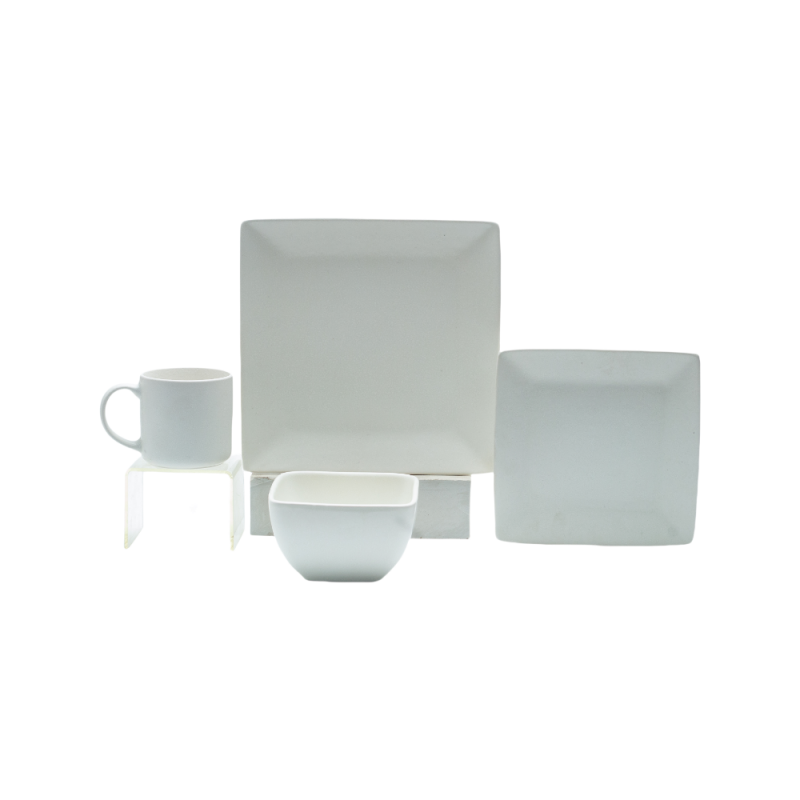
Products in this guide: Grey Reactive Glaze Stoneware 4-Piece Dinnerware Set · White Ceramic Dinnerware Sets
Where This Fits in the Sourcing Chain
Retirement sits at the intersection of assortment and production. On the shelf side, the decision is really about the tiers of the assortment — which slot the SKU occupied and what takes it. The distributor assortment guide shows how good, better and best tiers anchor the shelf. On the factory side, it touches the frozen specification: the successor inherits some attributes and resets others. The spec freeze guide explains how to lock artwork and packing files between orders. The full chain follows the standard sourcing map. See the full ceramic sourcing process map.
The Signals That Say It Is Time
Three signals, read together, carry most of the information. Sell-through shape: a SKU whose reorder curve flattens for two or more seasons while its siblings climb is telling you the market voted. Production reality: a glaze that now misbehaves, a decal that takes two extra firings, a tool that wears — products can become expensive to make well before they become unsellable. Range logic: sometimes nothing is wrong with the SKU, but the range above it changed — a new colour family or a new shape standard makes the old line redundant on the shelf even while it still sells. Any one signal alone is a conversation; two together are a decision point; all three mean the SKU has already retired in everything but paperwork.
Last-Time-Buy and the Runout Window
The professional mechanism is the last-time-buy: announce a final production window, let buyers place closing orders against it, and then let the SKU run out of the channel naturally. Two habits make this work. First, give the window enough length to be usable — a closing order for a seasonal program still needs its normal lead time, so the announcement should land before the last ordering window of the relevant season. The reorder lead time guide explains why second orders ship faster. Second, hold the specification frozen through the runout: the last batches must match the master sample exactly, because the worst retirement is one that ends with a defective final shipment and a sour aftertaste on a product that was perfectly healthy. The runout window also does something quieter — it lets distributors convert the exit into a story: final availability, clearance pricing, a planned goodbye instead of a silent disappearance.
Building the Successor
A replacement SKU succeeds when it keeps the things buyers actually depended on and changes only what the retirement was meant to fix. Start from the frozen spec of the outgoing line and mark every attribute as keep, improve, or reset. Capacity, palette, and compatibility with existing shelf fixtures usually belong in the keep column — a successor mug that no longer fits the printed risers is a new problem, not a replacement. Then bridge the change with samples: the successor goes through the same seal-and-approve path as any first order, so the new line starts its life with a sealed reference, not with assumptions. The spec freeze guide explains how to lock artwork and packing files between orders. Where the successor comes from a different production line or supplier, the validation runs harder — capacity, glaze consistency, and packing all get re-verified before the first container, not after. The second supplier guide explains how to qualify a backup source.
Telling the Channel Before the Shelf Notices
Retirement is a communication exercise as much as a production one. Distributors and chain buyers need three dates: the last order date, the last delivery date, and the successor's availability date. With those three, every buyer can plan their own transition — sell through, clear the bay, and slot the new line without a gap week. Catalog hygiene matters too: the retiring SKU comes off price lists and order portals on the announced date, cross-referenced to its successor so reorder mistakes turn into discovery instead of confusion. The brands that handle this well treat the announcement as a service, not an apology — buyers respect a supplier who manages the end of a product as professionally as the beginning.
The Habit That Ties It Together
The habit is an annual SKU review with three columns — grow, hold, retire — run in the same meeting where next year's volumes are planned. Retirement stops being an emergency and becomes a slot management: every line knows why it is in the catalog, and every exit has a date, a successor, and a sealed sample behind it. Catalogs that do this stay small enough to sell and fresh enough to win shelf space — which is, in the end, the entire game.
Related Products
Explore products featured in this guide:
Have questions? See our Sizes & Finishes FAQ and Ordering & Certifications FAQ.
Need a custom quote? Send an inquiry or browse our full product catalog.