Returns and Reverse Logistics: What Happens When Ceramic Arrives Damaged
- Share
- Issue Time
- Sep 11,2026
Summary
When a ceramic shipment arrives short, chipped or wrong, the instinct is to send it back. In most cases that is the most expensive option available. This guide explains why, and how buyers and factories actually settle a bad shipment.
The Problem: The First Instinct Is Usually the Wrong One
A container arrives, and the count does not match, or a carton comes out chipped along one edge. The immediate reaction — from a buyer who has just paid freight, duty and import tax — is to demand that the goods go back. It is the natural response and, on ceramic, almost always the most expensive one. Ceramic is heavy, bulky and low in value per cubic metre; sending it back means paying freight a second time on cargo worth less than the freight, plus re-export formalities, plus the risk of further breakage in the return voyage. Buyers who understand what a return actually costs negotiate differently, and get to a settlement faster. This guide sets out how a bad shipment is really resolved, and the habits that keep the situation rare.
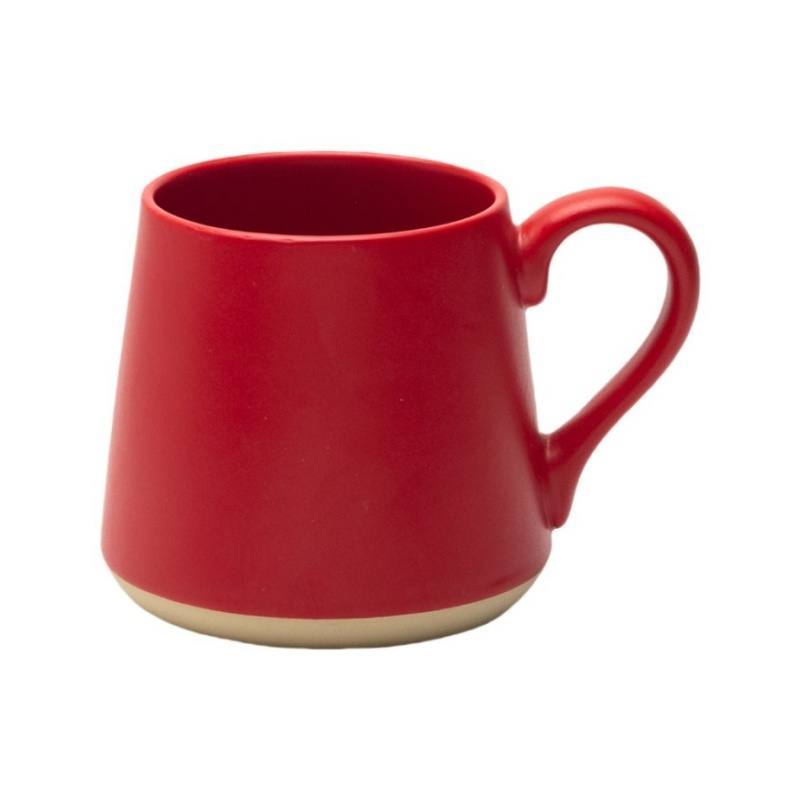
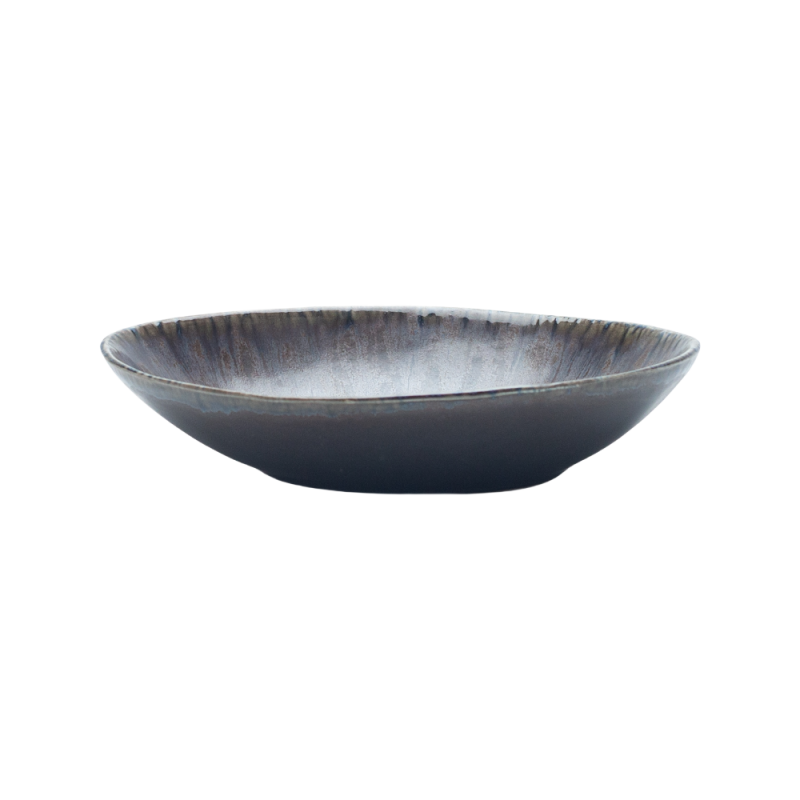
Products in this guide: 500ml Stoneware Ceramic Mug · Reactive Glaze Stoneware Bowl
Where This Fits in the Sourcing Chain
A return only exists because something failed earlier: the acceptance standard was not applied consistently, The AQL baseline guide explains how acceptance levels are set and written down. the packing specification did not survive the route, The packaging guide explains how retail-ready and protective layers are specified together. or a quality dispute was not documented. And it ends in the same loop as any complaint — evidence, root cause, corrective action. The complaint-to-corrective-action guide explains how quality issues close the loop. What the warranty or quality clause says about liability is the other half of the conversation. The warranty guide explains how liability and remedy are written into the order. The full chain follows the standard sourcing map. See the full ceramic sourcing process map.
Why Shipping Ceramic Back Is Rarely Worth It
Four costs stack up, and the first one alone usually settles the argument. Freight on the return leg: heavy, bulky cargo pays again, and the return volume is a fraction of the original, so the rate per unit is worse. Customs on re-entry: goods being returned cross borders again, with their own documentation and, in many markets, their own treatment. Breakage in return transit: the same fragility that caused the problem applies to the journey back. Time: weeks pass while nothing is on the shelf. Compare that with the value of the defect: a few dozen chipped mugs, or a carton crushed at the corner. The arithmetic rarely supports a return.
The Three Dispositions That Actually Get Used
Replacement inside the next production run. The most common outcome where a program is ongoing: the factory replaces the affected quantity in the next order, so the cost is absorbed into production rather than into freight. This is why long programs settle claims more cheaply than one-off orders.
A credit note against the invoice. For smaller quantities, or where a next order is far away, the cleanest resolution is a documented credit — usually calculated on the affected pieces rather than the whole shipment.
Local disposal or salvage, with evidence. Where the damage is limited and the goods have some residual use, keeping them locally and agreeing a write-down is often the cheapest path for everyone. Where the destination market's rules require destruction of unsafe goods, that is handled locally as well. In every one of these cases the question that matters is the same: which party bears the cost, and on what evidence. Agreeing that in the quality clause before shipping beats arguing about it after. The warranty guide explains how liability and remedy are written into the order.
What Decides the Outcome: The Evidence
A claim is settled on documents, not on impressions. The pieces that decide it are gathered before the vessel sails and in the first hour after arrival: the pre-shipment inspection report showing the goods passed a written standard, The shipment file guide explains how to read inspection reports and transport documents. loading photographs showing cartons intact and correctly stacked, the packing specification demonstrating the protection was as agreed, The packaging guide explains how retail-ready and protective layers are specified together. and arrival photographs taken before the pallet is dismantled or restacked. Buyers who photograph on arrival win the easy claims; buyers who discover damage after the pallet has been broken down spend their time reconstructing what probably happened.
Making Returns Rare
The productive objective is not winning claims; it is not needing them. Three habits do most of the work. Hold the standard consistently: the acceptance criteria applied at the factory should be the criteria applied at your dock, so a pass means a pass on both sides. The AQL baseline guide explains how acceptance levels are set and written down. Specify packing against the route, not against last year's order — pack quality is the single biggest lever on transit damage. The packaging guide explains how retail-ready and protective layers are specified together. Check the count and the cartons at receipt, before putaway, while the evidence is still in place. The dock-to-shelf guide explains how receiving closes the bulk order properly. A modest receiving routine converts most disputes into a photograph and an email, instead of a month of correspondence.
The Habit That Ties It Together
The habit is a one-page settlement rule agreed before the first shipment: what counts as damage, who pays for which disposition, what evidence is required, and how quickly a claim is answered. Programs that write it down handle a bad carton in a week. Programs that leave it implicit discover that the expensive part of a damaged shipment is not the ceramics — it is the argument about them.
Related Products
Explore products featured in this guide:



Have questions? See our Sizes & Finishes FAQ and Ordering & Certifications FAQ.
Need a custom quote? Send an inquiry or browse our full product catalog.