Sample Fees and Sampling Policy: Charging for the Work Without Losing the Buyer
- Share
- Issue Time
- Sep 18,2026
Summary
Samples are the most expensive thing a factory gives away, and the most common cause of a stalled enquiry. A stated policy costs less than an improvised one — and converts better than a free sample that arrives late.
The Problem: A Free Sample Is a Decision Deferred
Sampling sits at the awkward centre of the sales process. The buyer wants proof before committing; the supplier is being asked to spend money on a prospect who may never order. Most factories resolve the tension by improvising — free samples for promising enquiries, silence for the rest — and the improvisation has a cost that is rarely counted: the samples that were made, shipped and never followed up, and the enquiries that stalled because nobody said what a sample would cost or take.
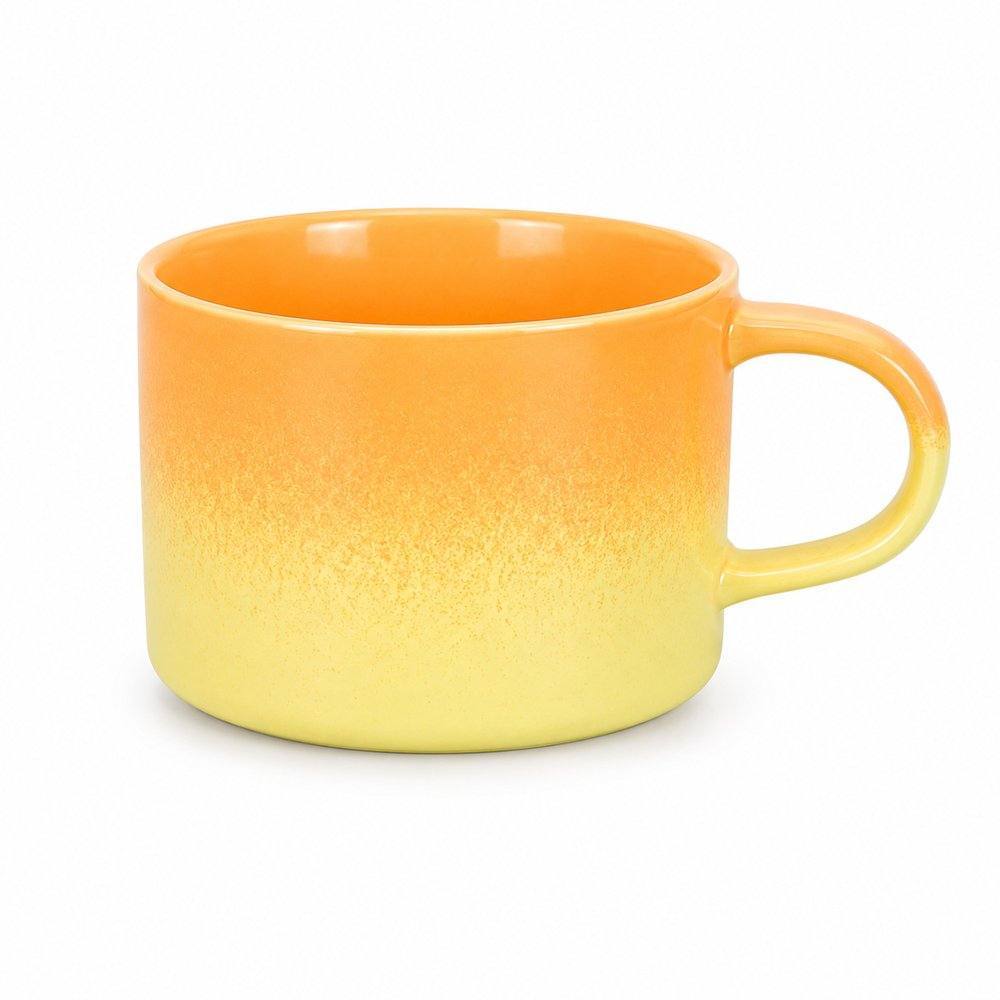
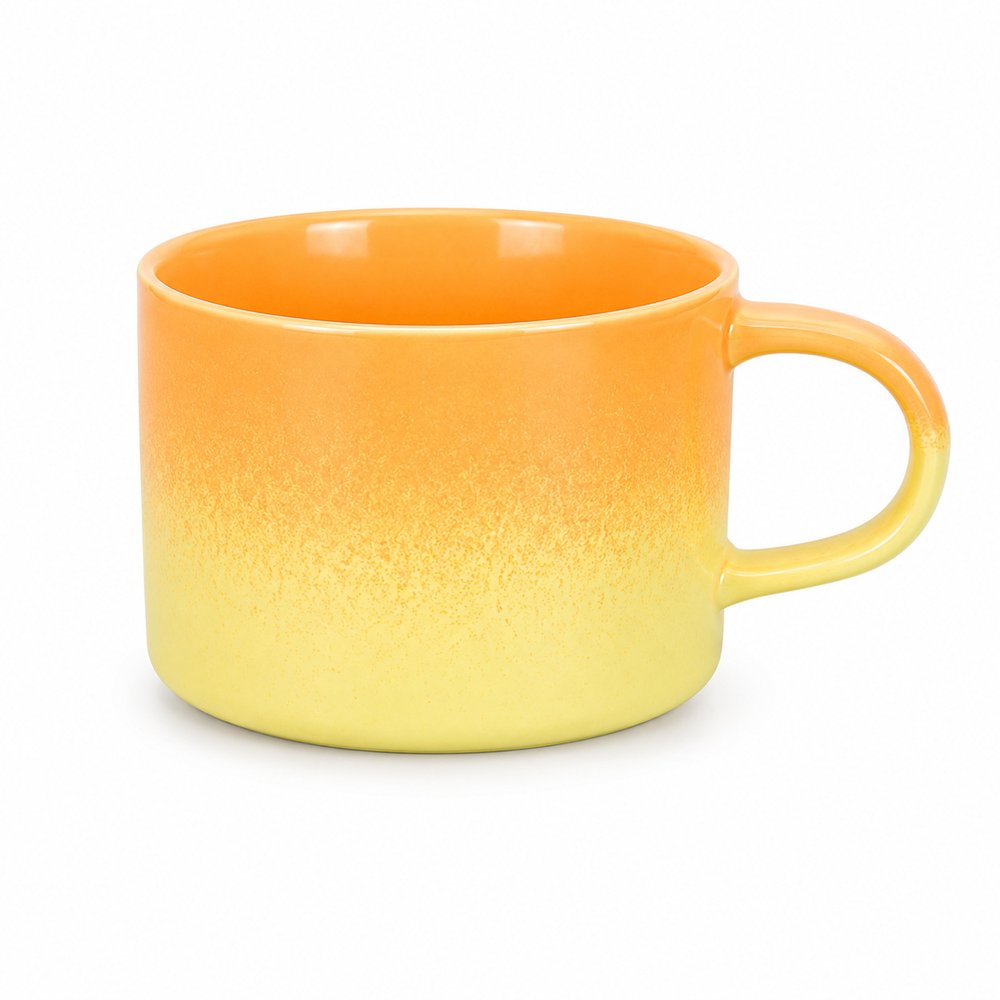
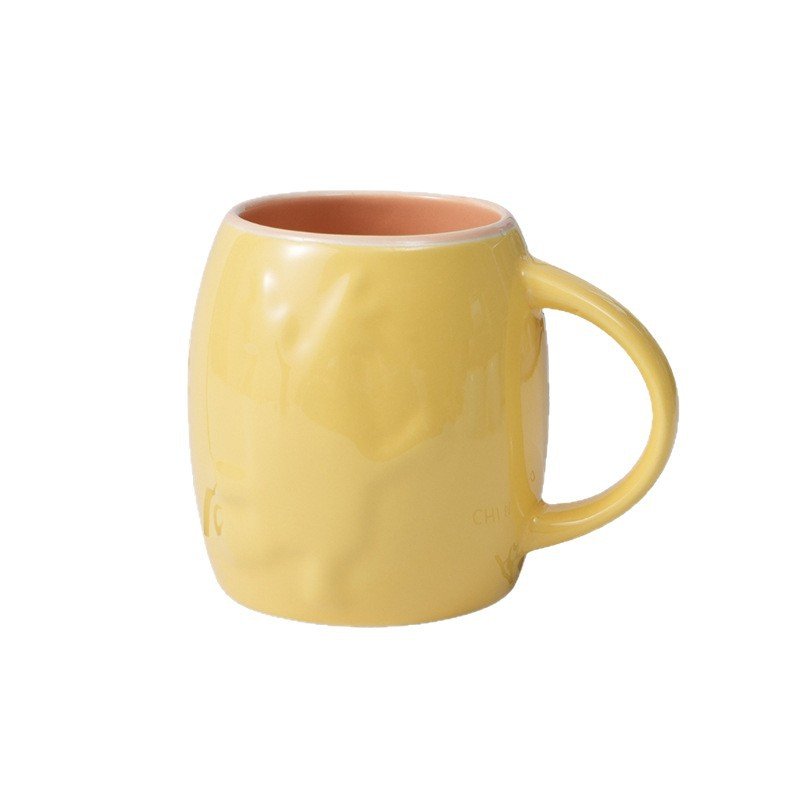
Products in this guide: Matte Speckled Gradient Ceramic Mug 380ml · 3D Embossed Barrel Ceramic Mug 400ml
Where This Fits in the Sourcing Chain
A sample is the physical output of a specification, so sampling policy and specification discipline are the same conversation. The spec freeze guide explains how artwork and packing files are locked between orders. Where the sample includes packaging, the buyer is also evaluating the pack, which is worth charging for explicitly. The packaging guide explains how retail-ready and protective layers are specified together. The full chain follows the standard sourcing map. See the full ceramic sourcing process map.
The Distinction That Makes Policy Easy
Two kinds of sample, with different economics, and conflating them is the source of most sampling arguments.
A stock sample. An existing body and decoration, taken from stock. It costs the factory very little, and it should usually be free or charged at a nominal amount with freight to the buyer's account.
A development sample. A new body, a new colour, a new decoration, or a printed logo produced specifically for this enquiry. This costs setup, artwork, materials and time, and it produces something that cannot be sold to anyone else. Charging for it is not unfriendly; it is accurate.
Making that distinction explicit does two things at once: it removes the awkwardness of quoting a fee for something the buyer assumed was free, and it filters enquiries by seriousness — a buyer who will not pay a development sample fee is unlikely to place a production order.
What a Workable Policy Looks Like
Five elements, and stating them once saves a thousand replies. What is free: stock samples, subject to freight. What is charged: development samples, at a stated amount per design, quoted with the lead time. What is credited: the fee credited against the first production order — the single most effective way to make the charge acceptable, because it converts a cost into a deposit. What the buyer receives: the sample, the specification sheet and a photograph, so that approval can be documented. What happens to the fee if there is no order: retained, and stated plainly in the quotation.
Timing Is Part of the Offer
A sample quoted at four to six weeks is a different proposition from one quoted at two, and buyers plan around it. Four notes worth stating: stock samples ship in days; development samples take weeks, depending on tooling; decoration-only samples are the fastest development route, because they reuse an existing body; and a sample cannot be rushed past the firing schedule — a promise of two weeks for a new body is a promise that will be broken. Where a buyer needs speed, the honest suggestion is a stock sample in a similar body with a printed decoration, which can be evaluated immediately and does not require tooling.
The Commercial Logic
Three reasons a stated policy beats improvisation. It protects the sampling budget, because the cost of development is carried by the enquiry that requested it rather than by the whole customer base. It improves conversion, because a buyer who has paid a credited fee has a reason to complete the order. And it makes the process predictable, which is what a professional buyer values most: the sample path, the timing and the cost known in advance, rather than negotiated case by case.
The Habit That Ties It Together
The habit is to say what a sample costs before it is requested. Programs that do this spend their sampling budget on buyers who are going somewhere, and stop paying for certainty they never receive.
Related Products
Explore products featured in this guide:

Have questions? See our Sizes & Finishes FAQ and Ordering & Certifications FAQ.
Need a custom quote? Send an inquiry or browse our full product catalog.