Spice Jars and Canisters: The Kitchen Storage Line That Sells in Sets
- Share
- Issue Time
- Sep 23,2026
Summary
A storage jar is bought in a set of three or four, filled with something oily or pungent, opened daily and expected to look identical to its neighbours after a year. Four specifications decide whether the set survives.
The Problem: A Set That Has to Stay a Set
Ceramic storage jars and canisters are sold as a set of three or four, used daily and looked at more than almost any other ceramic in the kitchen. The commercial failure is specific: the closure stops seating, one jar in the set has stained, or the set no longer stacks after the fourth one is filled. Each of those is a specification that was left unwritten, and each is cheap to write.
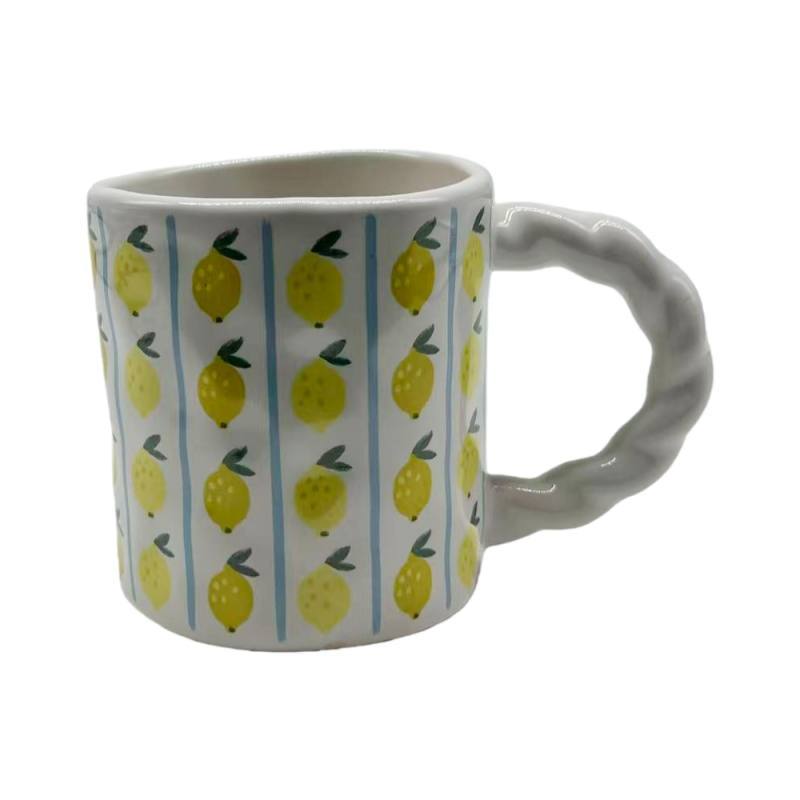
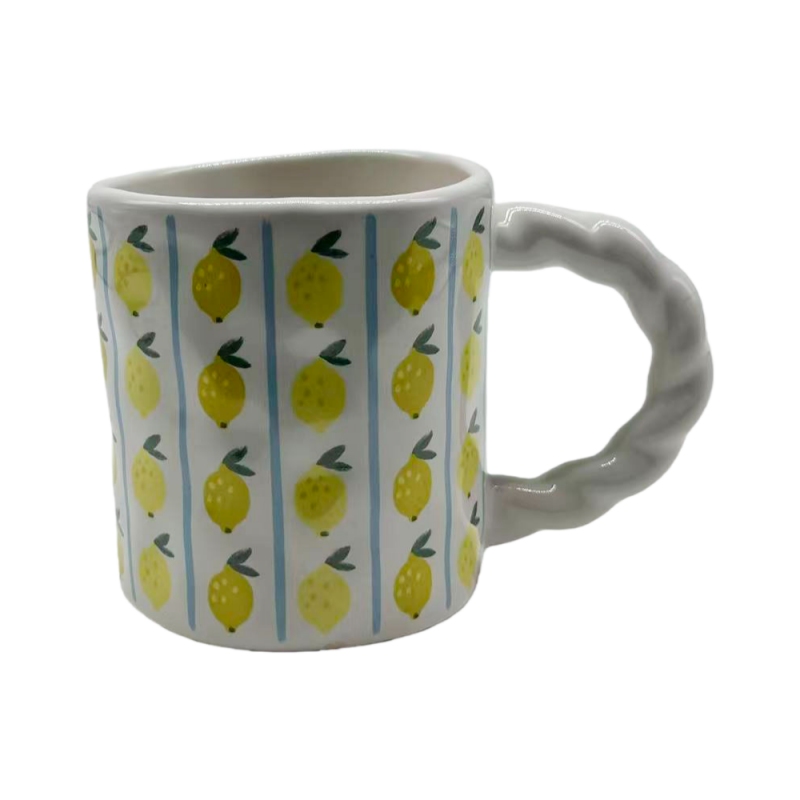
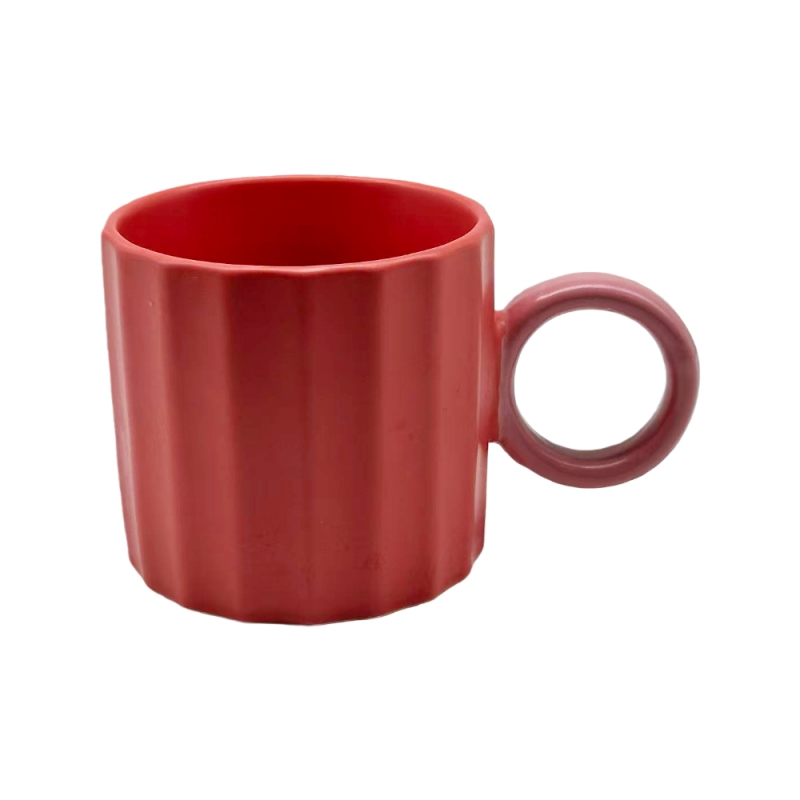
Products in this guide: Printed Stoneware Ceramic Mug · Novelty Ghost Ceramic Mug
The Four Specifications
Closure and gasket. The lid has to do two jobs: hold the contents and, where the content is a spice or a ground product, limit moisture and aroma exchange. The design question is whether the seal is a ground seat (ceramic on ceramic), a silicone gasket, or a cork — each has a different life, a different cleaning burden and a different cost. A gasket has to be replaceable or at least inspectable; a ground seat has to be lapped so it does not leak. If the jar is sold as airtight, that claim needs a test rather than an adjective.
Capacity, uniformity and stacking. A set of three is normally chosen by height, not volume, and the visual effect depends on the jars being part of a family — same diameter, graduated heights. Two practical items follow: the capacity per jar should be stated so that the set is useful rather than decorative, and the stacking or nesting design should be specified, because a storage line lives on a shelf with limited height.
Staining and odour retention. Spices, oil and tomato-based contents stain porous or crazed surfaces and can hold aroma in a glaze that has micro-cracking. This is where a body and glaze decision becomes a product-life decision: a fully vitrified body with an intact glaze resists staining, and thermal cycling in a dishwasher is the test that reveals the difference. A buyer specifying storage ware should ask for the crazing test on this item, for the same reason a mug buyer does.
Labelling and the window. Most storage jars carry a label, a printed band or a small window. Labels on ceramic are usually applied as a decal or as a printed adhesive; ceramic-specific issues are that a decal can lift at the edge if the surface is dusty, and that an adhesive label on a curved glazed surface peels in a humid kitchen. Where a ceramic open stock line is planned, the label system should be specified together with the jar rather than chosen by the retailer later.
The Set Logic
Three configurations cover most of the demand: a three-jar graduated set for retail, a four-piece set including a taller pasta or coffee jar, and open stock single jars for replacement. For each, the order should state:
- The capacity per jar, and the diameter that keeps the set looking like a family.
- The closure type per jar — because a pasta jar and a spice jar normally want different seals.
- Whether the set is packed with the lids fitted or separately, which matters for transit height.
- The replacement rule: which jar can be reordered individually from the same body and glaze.
Questions to Ask a Supplier
- What closure configuration is available, and what does it actually seal against?
- If the jar is claimed airtight, what test supports the claim?
- What is the capacity and the diameter of each jar in the proposed set?
- What crazing or thermal-cycle testing has been run on this item?
- How is staining addressed in the body and glaze choice for oil or spice contents?
- If the set is packed with lids fitted, what drop test has been run on the packed unit?
The spec freeze guide explains how artwork and packing files are locked between orders.
What to Put in the Order
- Closure type and the sealing claim, with the test behind the claim.
- Capacity and diameter per jar, to keep the set visually coherent.
- A crazing and thermal-cycle requirement, as for any piece used daily.
- The packing configuration and a drop test on the packed set.
- The label or decoration method, with the durability expected in a kitchen environment.
The packaging guide explains how retail-ready and protective layers are specified together.
The Habit That Ties It Together
The habit is to specify the jar as a set that will be used daily rather than as a piece that will be photographed once. Programs that do this get closures that still seat after a year, jars that still match each other, and a set that can be replenished one piece at a time.
Related Products
Explore products featured in this guide:

Have questions? See our Sizes & Finishes FAQ and Ordering & Certifications FAQ.
Need a custom quote? Send an inquiry or browse our full product catalog.