Standardising Ceramic Bodies: Fewer Shapes, Lower Tooling, Faster Reorders
- Share
- Issue Time
- Sep 11,2026
Summary
Every new shape carries its own mould, its own packing and its own stock line. This guide explains which parts of a ceramic range are worth standardising, which should stay unique, and how a shared-body approach lowers cost without flattening the assortment.
The Problem: Every New Shape Multiplies Cost
A catalogue grows the way catalogues always grow: a new shape here, a new handle there, a seasonal design that needs its own bowl. Each addition looks small in isolation. Together they carry a set of costs that are easy to miss because they are spread across different budgets: a mould per shape, a packing insert per form, a minimum production quantity per decoration, a stock line per variant, and a reorder cycle per reference. Buyers who plan a range deliberately decide in advance which parts of it are worth making unique, and which parts should be shared. The result is not a boring catalogue — it is a catalogue where the distinctive element can change every season without rebuilding everything underneath it.
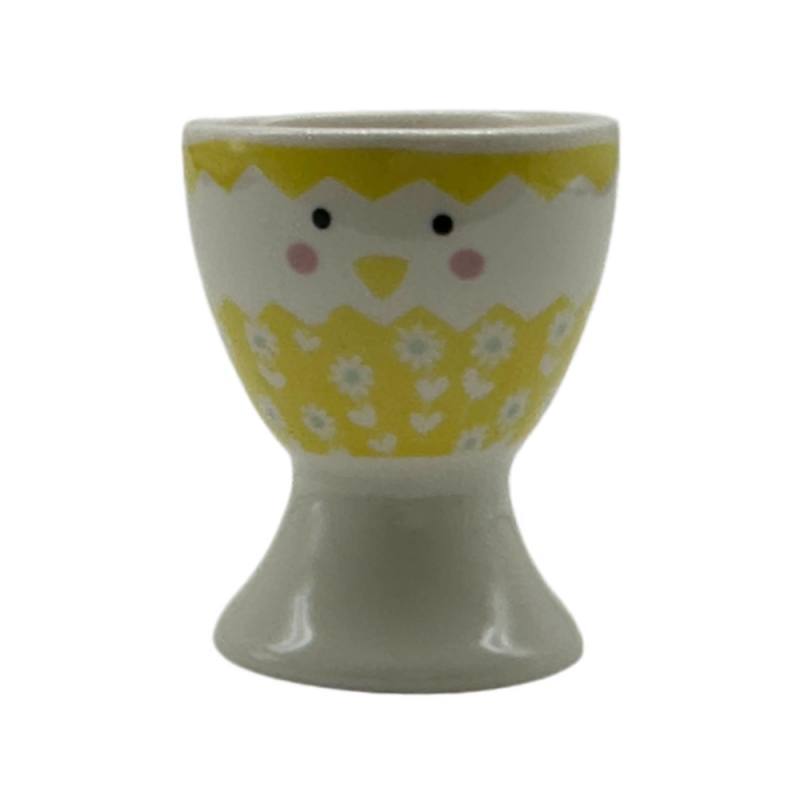
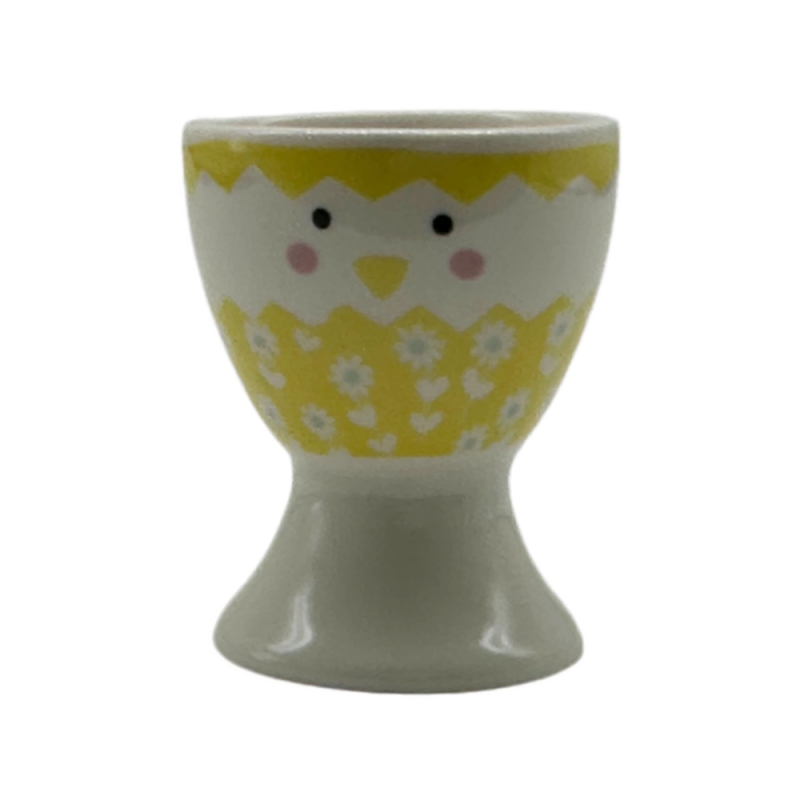
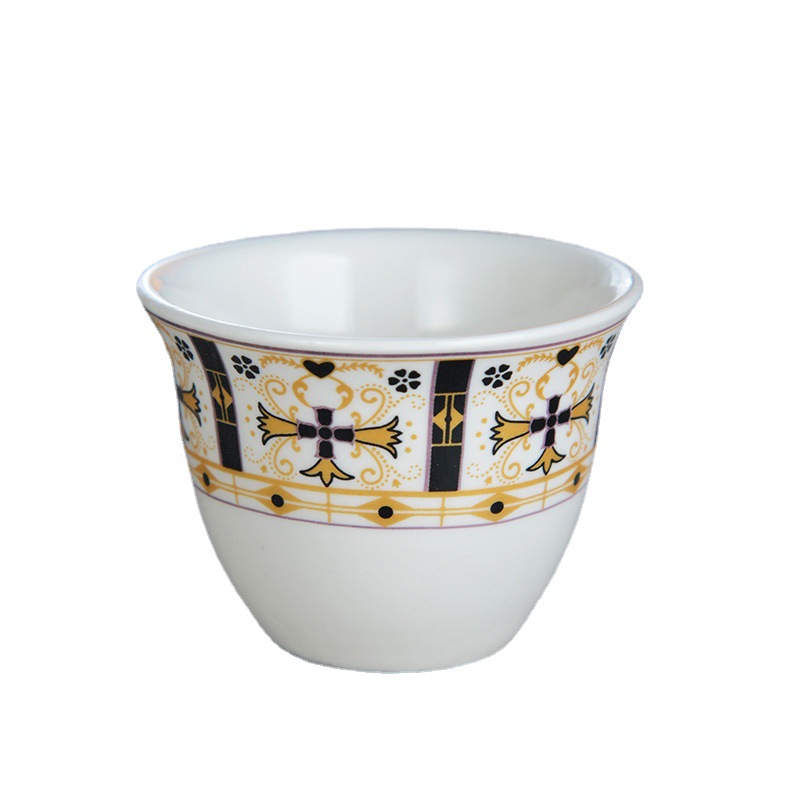
Products in this guide: Cute New Bone China Egg Cup – Chick Design Ceramic Egg Holde for breakfast · Decorative Espresso Coffee Cup
Where This Fits in the Sourcing Chain
Standardisation is an assortment decision that turns into a tooling decision. It sits alongside the way the range is tiered, The distributor assortment guide shows how good, better and best tiers anchor the shelf. the way lines are retired when they stop earning, The SKU retirement guide explains how a line is phased out and replaced. and the level of customisation the program actually requires. The ODM-to-OEM guide explains which customisation level fits your stage. The full chain follows the standard sourcing map. See the full ceramic sourcing process map.
What Can Be Standardised — and What Should Not Be
The useful split is between structure and expression.
Structure — the body, the base diameter, the handle, the lid, the packing insert — is what generates tooling, packing complexity and stock lines. Sharing it across several references is almost always cheaper, and customers rarely notice.
Expression — decoration, colour, glaze finish, the story on the packaging — is what the market actually responds to. It should change freely and often, because it carries no mould.
The classic mistake is the reverse: a unique body for every seasonal design, and a single decoration that never changes. That combination maximises cost and minimises freshness at the same time.
The Economics of a Shared Body
Four mechanisms make a shared body pay.
Tooling amortisation. A mould is a fixed cost. Spread across several references with different decorations, each reference carries a smaller share of it.
Minimum quantity per decoration, not per design. A production minimum attaches to the decoration changeover. Fewer bodies mean fewer changeovers for the same number of sellable references.
Lower stock complexity. Each additional variant adds a stock line, a forecast to maintain and a risk of slow-moving inventory in the rack. The dead stock guide explains how slow-moving lines get cleared without destroying margin.
Faster repeats. A reference built on an existing, already-approved body needs no new tooling and no new sample approval — it can move to production in the time it takes to proof the decoration. That is the difference between a seasonal range that ships on time and one that ships late. The reorder lead time guide explains why second orders ship faster.
A Practical Approach
The workable pattern is a small set of core bodies — for example one mug form, one bowl form, one plate diameter family — with the season carried by decoration and colour. Three practical rules follow from it. Share the lid and the handle across sizes wherever the proportions allow, since these are separate tooling items. Share the packing insert across references of the same body, so packaging artwork changes without new tooling. Keep one or two genuinely new bodies per year for the range that needs to look new, rather than introducing a shape for every idea. None of this constrains the creative side; it changes what the creative side has to pay for.
Where It Meets the Assortment
Standardisation is the quiet partner of two decisions that are usually made separately. When the assortment is tiered, the tiers can share a body and differentiate on glaze or decoration rather than on form. The distributor assortment guide shows how good, better and best tiers anchor the shelf. And when a line stops earning its place, retiring it leaves the body available for the next reference rather than orphaning a mould. The SKU retirement guide explains how a line is phased out and replaced. Buyers who connect the two end up with a range that changes constantly on the surface and hardly at all underneath — which is precisely the position that produces good margins on repeat business.
The Habit That Ties It Together
The habit is to ask, before approving a new shape, what could be shared instead: the body, the handle, the lid, the insert. Programs that ask the question build ranges that look new every season at the cost of a decoration change. Programs that do not rebuild the factory every time the marketing calendar turns.
Related Products
Explore products featured in this guide:

Have questions? See our Sizes & Finishes FAQ and Ordering & Certifications FAQ.
Need a custom quote? Send an inquiry or browse our full product catalog.