Storage Jars and Canisters: A Functional Line With a Giftable Face
- Share
- Issue Time
- Sep 15,2026
Summary
Canister and storage ranges are bought for function, renewed for function, and gifted as sets. They are one of the least glamorous and most reliable ceramic lines — with one specification detail that decides whether the customer returns.
The Problem: A Line That Sells on Function, Not on Looks
Storage ceramics are bought for a reason that has nothing to do with design: something has to be kept fresh, organised or out of sight. That makes the line unusually durable commercially — once a product is in a kitchen, it stays — and unusually unforgiving on one point. If the seal fails, the product has failed, however good it looks. Suppliers who treat a canister as a decorated cylinder lose the customer at the second purchase; suppliers who treat it as a functional object with a decoration attached build a range that reorders for years.
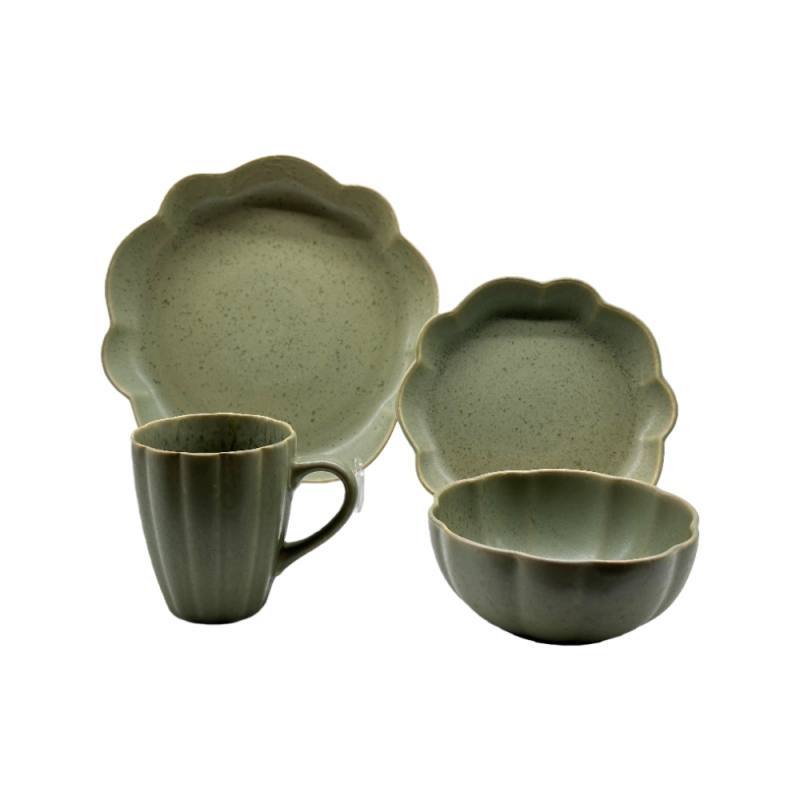
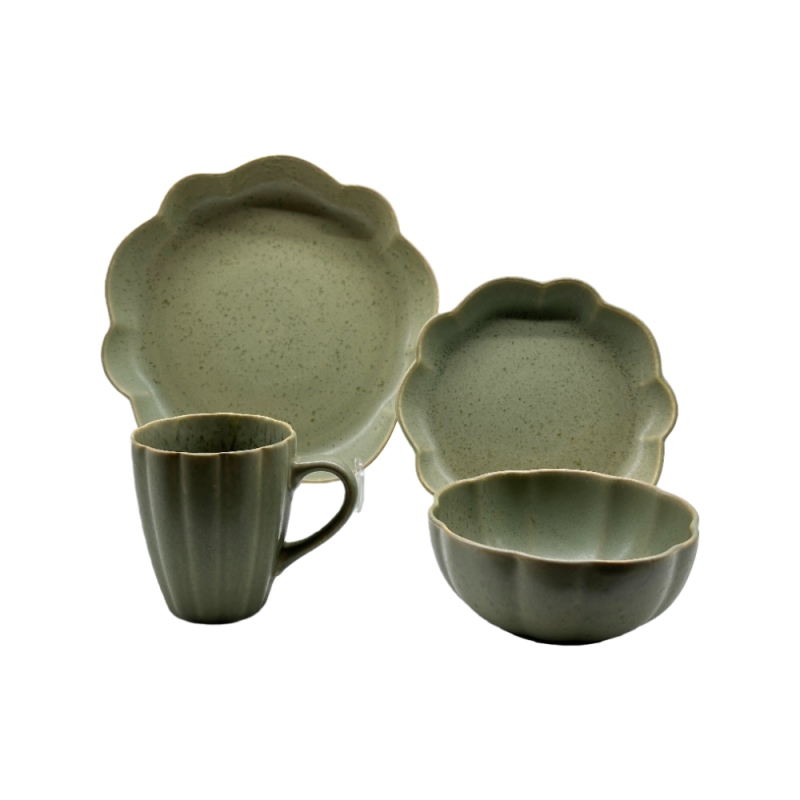
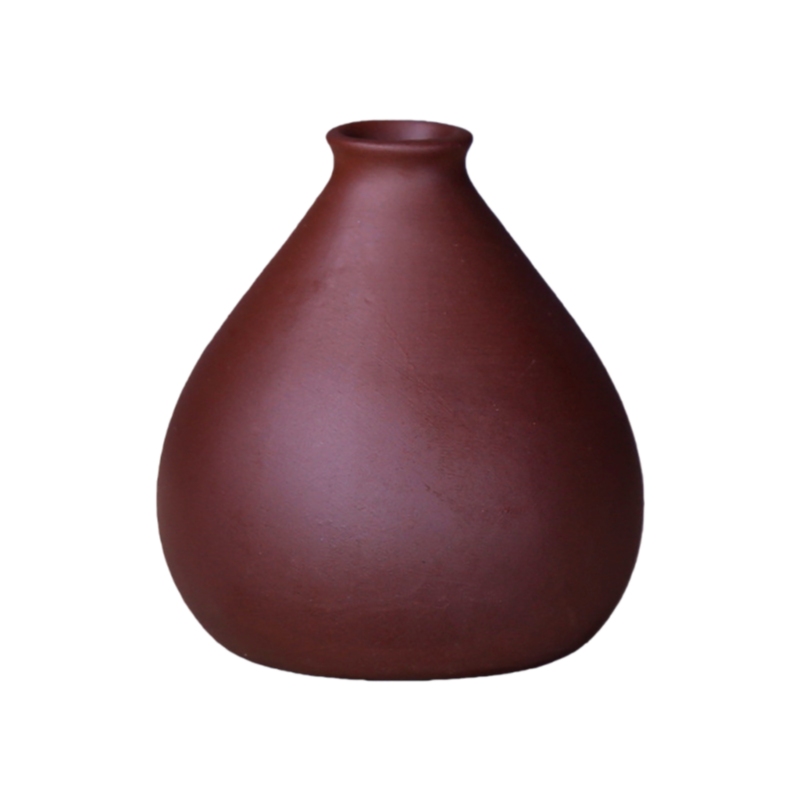
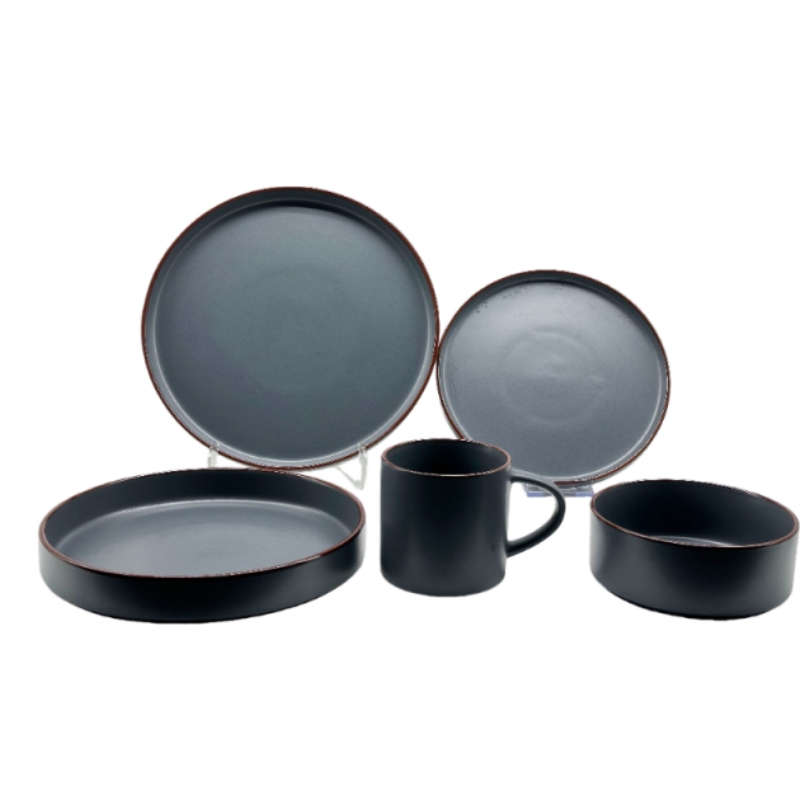
Products in this guide: Artisan Green Stoneware Tableware Set – 4 Piece Ceramic Dinnerware for Modern Home Dining · Mini Matte Ceramic Bud Vase Set – Modern Decorative Colorful Vases for Home & Office
Where This Fits in the Sourcing Chain
The specification is the whole product here: seal, capacity, stacking and washability come before decoration. The spec freeze guide explains how artwork and packing files are locked between orders. Sets are the natural pack, so the box and the set structure decide the price point. The packaging guide explains how retail-ready and protective layers are specified together. The full chain follows the standard sourcing map. See the full ceramic sourcing process map.
The Forms That Sell
Canister sets — typically three or four pieces in graduated sizes, sold as a set. This is the volume form and the one that carries a price point, because a set reads as a contribution to a kitchen.
The biscuit or cookie jar, which is the most giftable single piece and the one most often bought as a present rather than for oneself.
Spice and herb jars in small sizes, usually sold in multiples of six or twelve and increasingly bought as a matching set with a rack.
The bread bin or large storage crock, where the piece is a fixture rather than a jar; heavy, visible and the highest-value item in the range.
Coffee and tea storage, which overlaps with the drinks categories and benefits from the same buyers who buy mugs.
The Specification Detail That Decides Returns
The seal. Three approaches exist and each performs differently. A silicone gasket in a recessed lid gives the tightest and most consistent seal and is the most common solution. A ground-glass or lapped lid relies on two ground surfaces meeting and works well but is sensitive to grit and chipping. A plain lid with a cork or wooden insert is the most attractive and the least reliable. The supplier's job is to know which one they are offering and to say so, because a customer who buys expecting airtight and receives merely covered will return the set.
Three secondary points: capacity should be stated honestly (a jar sold as 1 litre usually holds less with the lid closed); stackability matters for retail display and for kitchen shelves; and washability should be specified rather than assumed, especially for any wooden component.
What the Decoration Should Do
Four useful directions. A visible label area — a printed band, a window or an embossed field — because a kitchen wants to identify contents. A neutral base colour so the set works across styles. A single decorative motif rather than a scene, since the piece is displayed for years. And consistent proportions across the set, because a canister set is judged as a group: mismatched heights make an otherwise good range look assembled rather than designed.
Who Buys, and When
Home and tableware retail, for which storage is a year-round category with peaks at the start of the year and before the gifting season. Supermarket and discounter own-brand, buying narrow ranges in volume to standard capacities. Gift retail, taking the biscuit jar and the small canister set. Online home retail, where the set photographs particularly well and the configuration is easy to describe.
Demand is year-round with a fourth-quarter peak, and the wedding and new-home seasons add a secondary lift in spring. For a fourth-quarter delivery, the order belongs in May to July, alongside the other gift ranges. The replenishment calendar maps the ordering windows for the whole year.
The Habit That Ties It Together
The habit is to describe the product by what it does before describing how it looks. Programs that do this sell storage that stays in the kitchen and gets ordered again. Programs that do not sell a pretty jar that does not seal, once.
Related Products
Explore products featured in this guide:
Have questions? See our Sizes & Finishes FAQ and Ordering & Certifications FAQ.
Need a custom quote? Send an inquiry or browse our full product catalog.