Supermarket Own-Brand and Discounters: Where Cost Structure Decides Everything
- Share
- Issue Time
- Sep 14,2026
Summary
Grocery private label is the largest ceramic channel by volume and the least forgiving on cost. Volume is real, margins are thin, and the shelf-ready requirement is absolute. This guide sets out how the channel actually works.
The Problem: A Channel That Rewards Discipline, Not Design
Grocery own-brand is the largest ceramic channel by unit volume and the least forgiving on unit cost. A supermarket buyer is not choosing between designs; they are choosing between suppliers who can deliver a specification at a price, on a date, in shelf-ready packaging, for years. That is a different business from custom gifting, and suppliers who approach it with a design-led pitch tend to be eliminated at the first cost conversation. Approached properly, however, it is the most predictable volume a factory can hold.
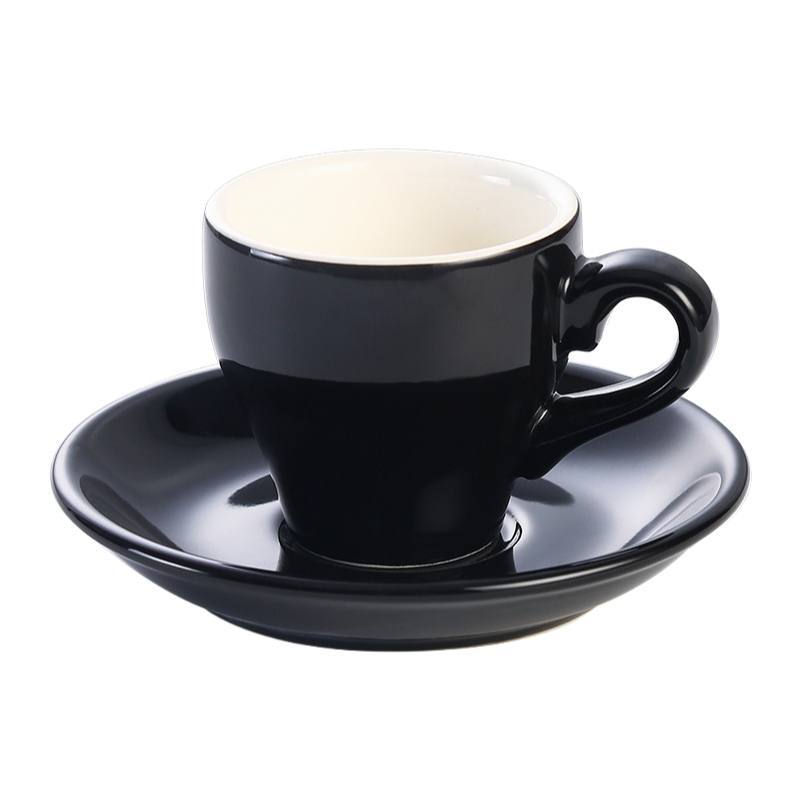
Products in this guide: Espresso Cup And Saucer Set · Portable Ceramic Cup with Silicone Lid
Where This Fits in the Sourcing Chain
Two disciplines dominate: a specification that never drifts, and a delivery that never slips. The spec freeze guide explains how artwork and packing files are locked between orders. The packaging is part of the product, because the store will not unpack anything. The packaging guide explains how retail-ready and protective layers are specified together. The full chain follows the standard sourcing map. See the full ceramic sourcing process map.
What the Channel Requires
One body, many designs. A supermarket range is built from a small number of moulds carrying many decorations, which is how the cost stays low and the shelf looks varied. A supplier who offers one body for the whole range is offering the channel's own logic.
Standard capacities and sizes. The drinkware standard in grocery is narrow — the classic 300, 350 and 400 ml cup dominates — and a range outside those sizes has limited shelf space available to it.
Shelf-ready packaging. Products arrive in a tray, shrink-wrapped or in a display carton, barcoded, with the correct label content for the destination market. This is not a preference; a delivery that needs repacking in the store is rejected.
Cost structure as the design brief. Decoration is usually one or two colours, applied at the cheapest viable method, because the retail price point in discount grocery leaves almost nothing for decoration.
The Commercial Rhythm
Supermarket ranges are managed through category reviews, usually annual, sometimes twice yearly, where the retailer re-decides the range. The practical calendar runs six to nine months ahead of the shelf date, and the buyer will expect sample and price submissions well before the review. Once listed, volume is committed and delivery windows are contractual; late or incomplete delivery is penalised, and the penalty is the relationship rather than an invoice.
What Wins and What Loses
Wins: a narrow range of proven bodies, a demonstrated yield, packaging that arrives shelf-ready, a price that holds for twelve months, and a documented ability to deliver on a fixed date. Loses: novelty, wide ranges, customisation, and any supplier whose price moves between the sample stage and the production order.
The Realistic Assessment
This channel is not for every supplier. It requires capacity that can be committed for long runs, tolerance for thin margins, and an appetite for paperwork. But it has two properties that most other channels lack: the volume is real, and a listing tends to renew. A supplier who can hold one grocery programme will have a base load that makes the rest of the calendar easier to plan — which is a strategic reason to pursue it, not merely a commercial one.
The Habit That Ties It Together
The habit is to recognise which business the channel is in. Grocery is a discipline business: the same product, the same price, the same date, repeated. Programs that respect that keep listings for years.
Related Products
Explore products featured in this guide:


Have questions? See our Sizes & Finishes FAQ and Ordering & Certifications FAQ.
Need a custom quote? Send an inquiry or browse our full product catalog.