The Hands That Make Your Mug: Skill, Staffing and the Defects No Drawing Captures
- Share
- Issue Time
- Nov 6,2026
Summary
A ceramic specification fixes a shape, a colour and a tolerance, and says nothing about the person who joins the handle or places the decal. Those are the steps where much of the variation you will argue about is created. Where hand judgement survives in a modern plant, how it shows up in an inspection report, and what a buyer can write down about it.
A ceramic order is bought on paper. A drawing fixes the shape, a colour chip fixes the glaze, a tolerance table fixes what counts as acceptable. All of them are silent on the same subject: the person who will pick the piece up.
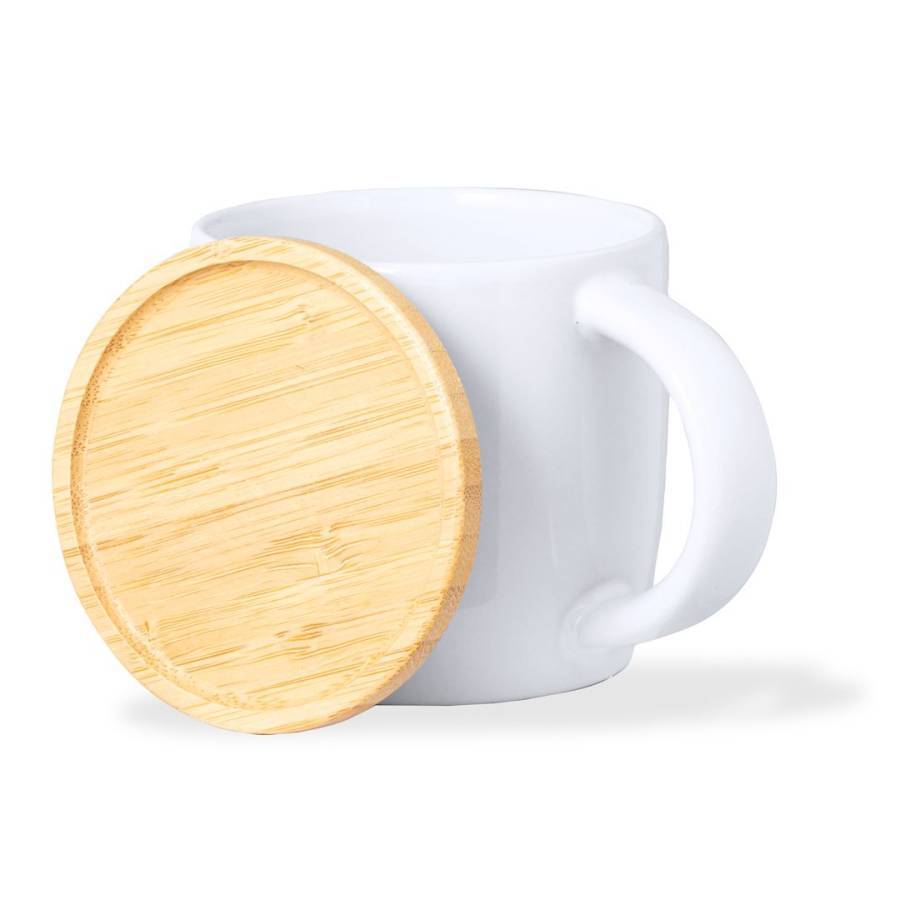
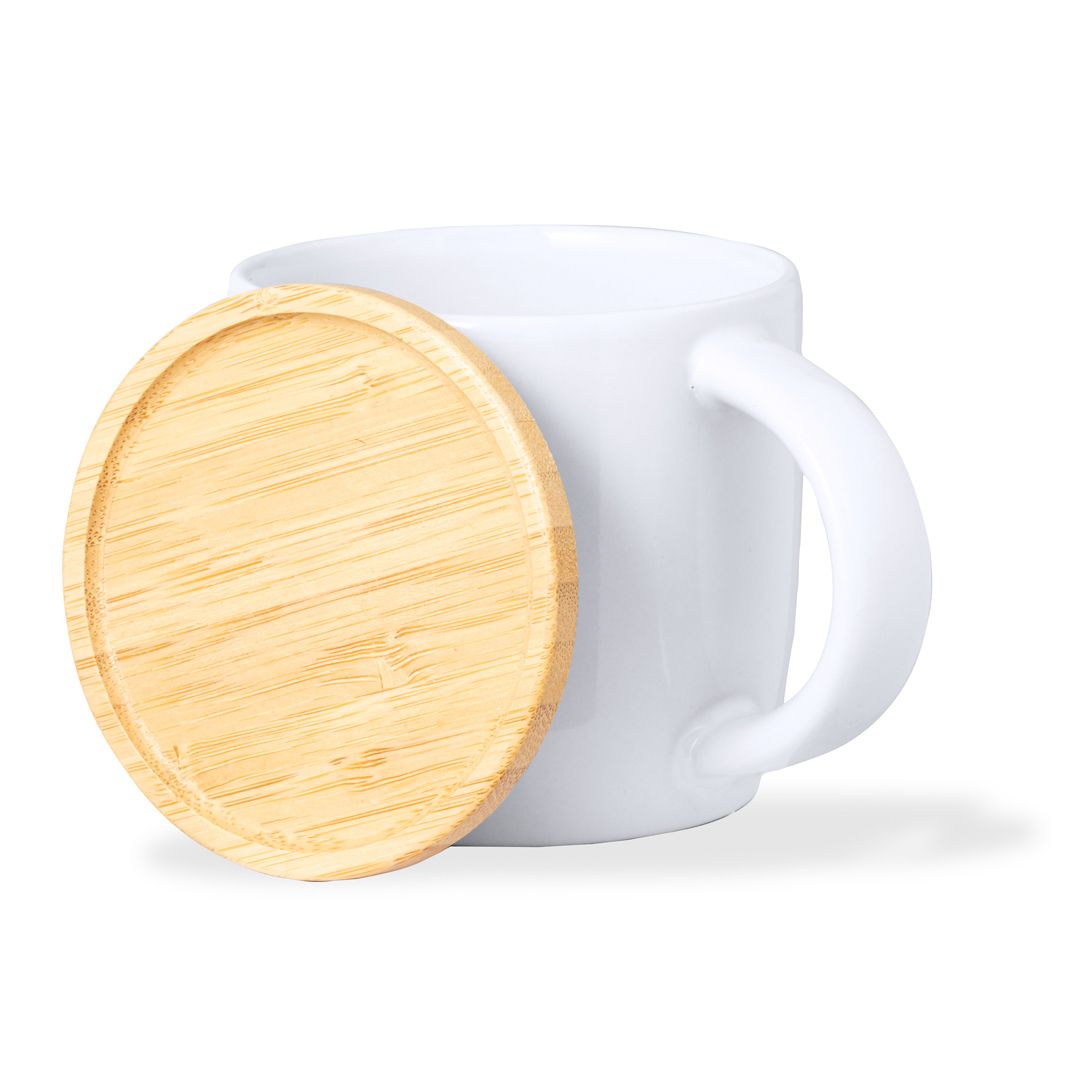
Products in this guide: Ceramic Mug with Bamboo Lid · Ceramic Rice Bowl
Forming is largely mechanical and firing is a curve held by a controller. What remains manual is the part where judgement is required, and it sits upstream of the complaints buyers raise most often: a handle that leans, a print that has drifted, a glaze that pools under the foot.
None of this makes hand work unreliable. It makes it the one input in your order that no drawing, no test report and no audit checklist describes.
Where a person still decides
These operations are short; together they decide most of what a buyer measures.
- Handle attaching. The handle is joined with slip and held while it takes. A jig positions it; the join and symmetry are judged by eye.
- Fettling and sponging. Mould seams and the rim are wiped by hand. Too little and the seam fires in; too much and the wall thins.
- Glaze application by gun. Distance, overlap and speed set the coat weight. The gun does not know how thick the piece is.
- Decal placement. The transfer is set against a guide, rubbed down and checked. A wrap on a curved form depends on the hand more than the guide.
- Gold banding and hand painting. A band is drawn against a rotating piece, and width follows the wrist.
- Setting the kiln. Pieces are placed on the car by hand. Position decides heat history, which decides colour and warpage.
- Final sorting. Somebody decides which piece is first grade, which is a second, and which goes back.
Three defects that are usually a hand, not a machine
A handle that leans
The join is soft clay on soft clay. A millimetre of rotation at the joint becomes a visible tilt at the far end, and the eye reads tilt long before it reads dimension, which is why handle alignment gets argued over instead of measured. The causes are in the operation: slip consistency, how long the join rests before the piece is moved, and how the body dries.
Registration that drifts instead of jumping
A hand-placed decal does not move in one step. It moves in fractions, and the person applying it adapts to the drift without noticing. By inspection the print is two millimetres out of position and no single piece looks wrong on its own.
Glaze that is thick at the foot and thin at the rim
Coat weight follows the path of the gun. A pattern that is right at the start of a shift is slightly heavier four hours later, and the difference collects where the form is hardest to reach. Build-up under the foot shows as a ring after firing; a thin coat at the rim as a dry edge.
Why one plant is uneven, and when the hands change
Plants do not allocate hands evenly. The most experienced decorators go on the hardest decoration, because that is where a mistake costs most. The four-colour wrap gets the good team; a one-colour logo on a straight-sided mug gets whoever is free.
Your SKU sits somewhere in that ranking, and the position is not fixed. A larger customer arrives with a more demanding print, the team that knew your handle moves across, and the next batch is made by hands with less practice on your form.
Capacity is not only kiln space either. Before a peak a plant adds people, and new people start on the simplest stations, which is often where a plain one-colour logo runs. The work is still done; the judgement behind it is newer. After a long holiday the same applies: the first pieces of a restart come from hands that have not done that operation for weeks, while the kiln and glaze are unchanged. A first article at the restart catches it; one placed only at the start of a programme does not.
What can be written down
A specification that names the hand steps removes most of the argument later.
- Declare the decoration method: hand-applied decal, machine-applied, or screen printed. The three behave differently on reorders.
- Put the hand-judged tolerances on the drawing. Handle symmetry and band width can be given a number; a photograph cannot.
- Require a first article on any reorder that follows a gap, a line change or a change of method.
- Require notice if the decoration method changes. Hand to machine, or the reverse, is a process change even when the artwork is identical.
- Grade hand-applied decoration explicitly in your inspection sheet. Left unlisted, it is judged as cosmetic and passes.
What to ask, and what the answers tell you
Ask how a decorator is qualified before working on a customer order, whether that is written down, who checks the first pieces of each shift and what they may stop, whether the team that ran your last order is still on the same line, and what happens to a piece that fails at a station. The answers matter less than their shape: a plant that can describe a qualification step and a stop authority has a system around the hand, while one that answers with years of experience has a person, and a person does not transfer.
The limit of this explanation
Not every defect is a hand. Body, glaze chemistry, kiln position and packing each own a share, and blaming skill for all of it leads to retraining that fixes nothing. The pattern separates them: defects that cluster on one element, one station or one period point to the operator, while defects spread evenly across a batch point to material or firing.
That is also why a sealed reference is worth more than an argument. A master sample both sides accepted is the only thing a hand operation can be judged against later, and it turns a discussion about feel into a comparison. The master sample guide explains how sealed references keep batches identical. The same discipline applies to the files behind it, with artwork and packing locked so a reorder cannot arrive with a different brief. The spec freeze guide explains how artwork and packing files are locked between orders.
A kiln log can be audited and a test report read. You cannot inspect the practice behind a handle join at the end of a shift. What you can do is narrow the space it operates in: name the hand steps, give the hand-judged dimensions a number, approve the first piece rather than the thousandth, and keep one reference both sides signed.
Related Products
Explore products featured in this guide:


Have questions? See our Sizes & Finishes FAQ and Ordering & Certifications FAQ.
Need a custom quote? Send an inquiry or browse our full product catalog.