The Sample and Mold Cost Map: Budgeting the Money Before the Design
- Share
- Issue Time
- Aug 29,2026
Summary
How big ceramic buyers budget the money side of development: sample fees, mold and tooling costs, test fees and the negotiation rules that keep development spend predictable.

The Money That Runs Before the Order
The development stage costs money before the first order is placed - samples, molds, test reports - and the buyers who treat it as free discover the cost later, buried in the quotation or surprising them on the invoice. The professional approach is the opposite: the development spend is budgeted, negotiated and tracked like any other line item. This guide maps the three cost blocks - sample fees, mold and tooling costs, test fees - and the negotiation rules that keep the spend predictable.
Products in this guide: Creative Ceramic Mug · Printed Stoneware Ceramic Mug
The Sample Fees
The sample stage has its own price ladder (see our sampling guide for the four sample types): a digital mockup is the cheapest step (see our digital-sampling guide), a development sample costs the factory time on a prototype line, a pre-production sample costs a partial setup, and a shipping sample is part of the batch. The fee patterns vary - some suppliers charge for the sample and credit it against the order, some charge for samples over a free quota, some fold the sampling into the tooling - and the pattern should be agreed before the sample is requested, in writing (see our communication-standards guide). The rule: clarify the sample fee and the credit policy with every supplier at the RFQ stage, because a sample that costs more than the credit is development money that never comes back.
The Mold and Tooling Costs
The mold is the biggest development line (see our mold-ownership guide for who owns it): the mold cost itself, the trial runs to qualify it, and the replacement cost when it wears. The negotiation structure is standard: the buyer pays for the mold, the buyer owns it, and the factory holds it for the buyer's production - and the terms worth negotiating are the credit (some factories credit a portion of the mold against the first order), the ownership paperwork and the mold-return commitment. The tooling math for a custom shape also includes the extras - a new handle, a new rim profile, a debossed logo each have their own tooling line (see our development-process guide for the shape timeline). The rule: the mold quote should name every tooling element - the mold, the trials, the logo tooling - so the development budget has no hidden lines.
The Test Fees and the Budget Rules
The test block covers the reports the market requires - LFGB, FDA, CA65, the lead-and-cadmium migration tests (see our test-report and compliance guides) - and the fee is per test, per batch and per market, not one universal certificate. The budget rules bring the three blocks together: the development budget is estimated before the first sample, with the sample fees, the tooling and the test fees as line items; the negotiation targets are the sample credit, the mold credit and the test bundling (one factory's batch test covering multiple SKUs); and the spend is tracked against the budget with a written approval for anything over (see our change-management guide for the approval process). The buyers who map the money before the design are the buyers whose development spend is a line item they chose - not a surprise they discovered.
"Development-Friendly Ceramic Products"
Explore products featured in this guide:
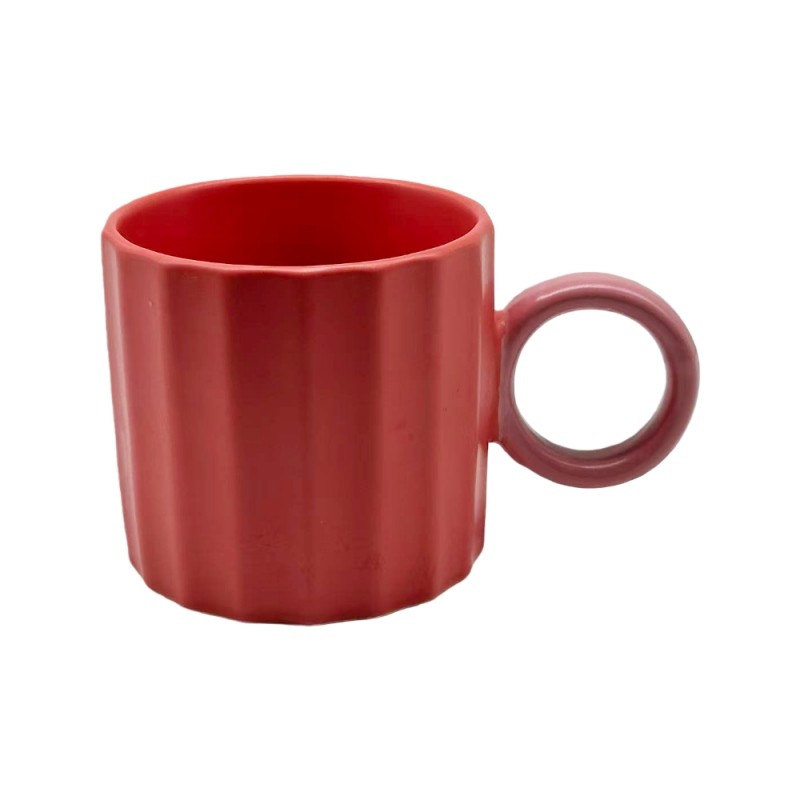
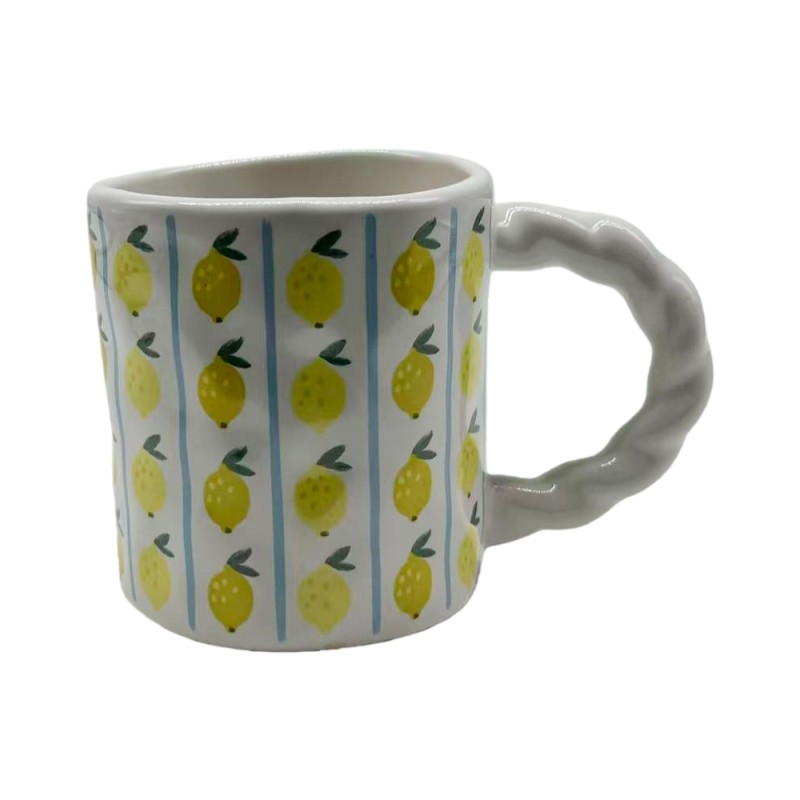
Have questions? See our Sizes & Finishes FAQ and Ordering & Certifications FAQ.
Need a custom quote? Send an inquiry or browse our full product catalog.