The Trial Order: How a Small First Order Can Actually Work
- Share
- Issue Time
- Sep 18,2026
Summary
Minimum order quantities exist to protect unit economics, and they also block nearly every new buyer. The answer is not to abandon the minimum but to structure the first order so that it survives it.
The Problem: The Minimum Protects the Factory and Blocks the Buyer
A minimum order quantity is not an obstacle invented to be difficult; it is the point at which a production run stops losing money. Tooling has to be set, a kiln filled, decoration prepared and a packing line run, and those costs do not shrink because the order is small. The consequence is structural: most enquiries a factory receives fall below the minimum, and most of those buyers are genuine. The workable answer is therefore not to lower the minimum but to change the shape of the first order so that the factory's economics hold and the buyer still gets a real product to test.
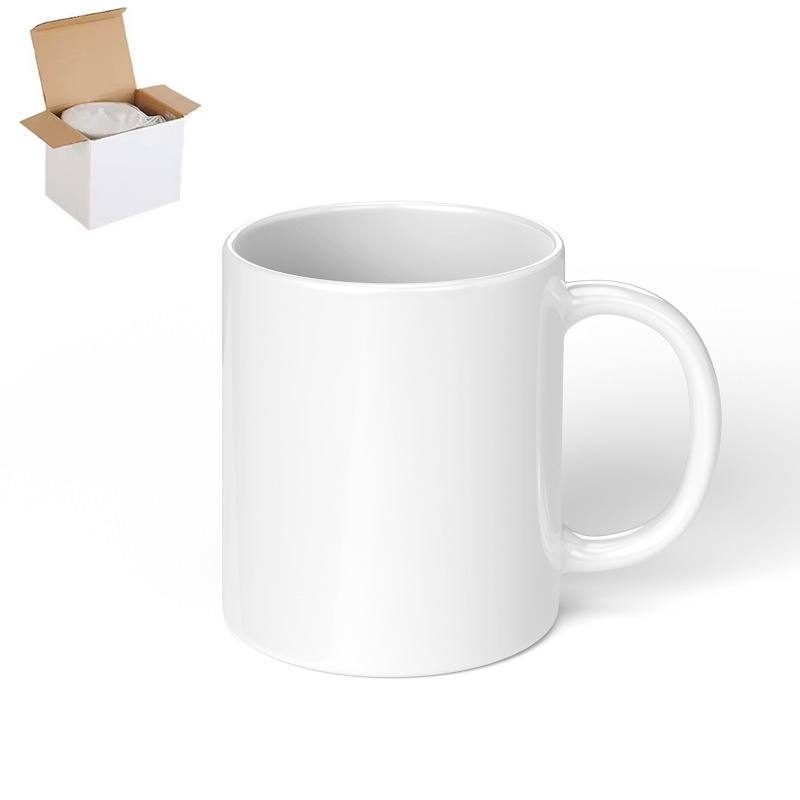
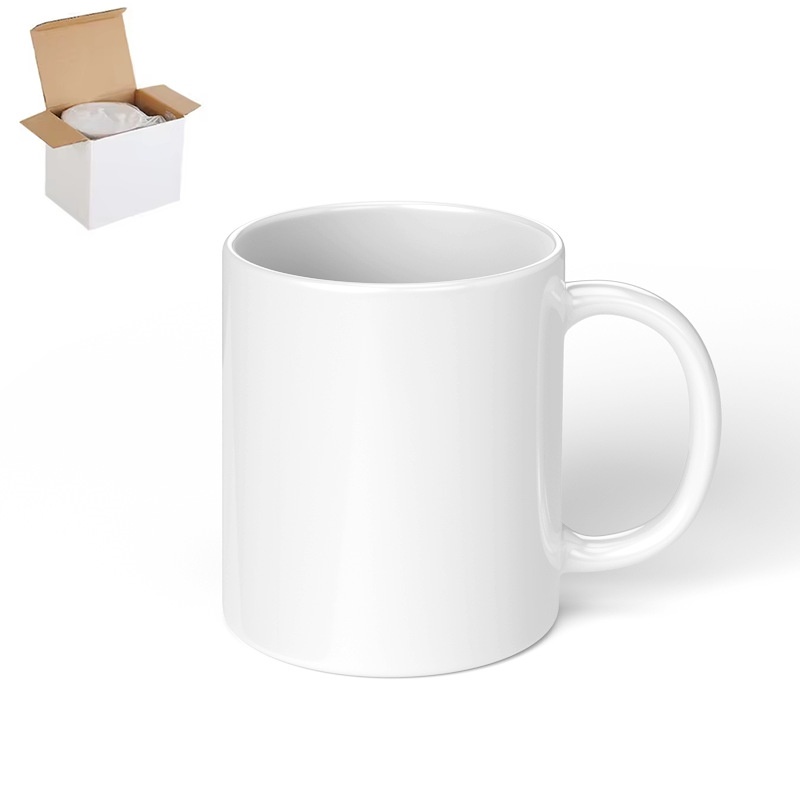
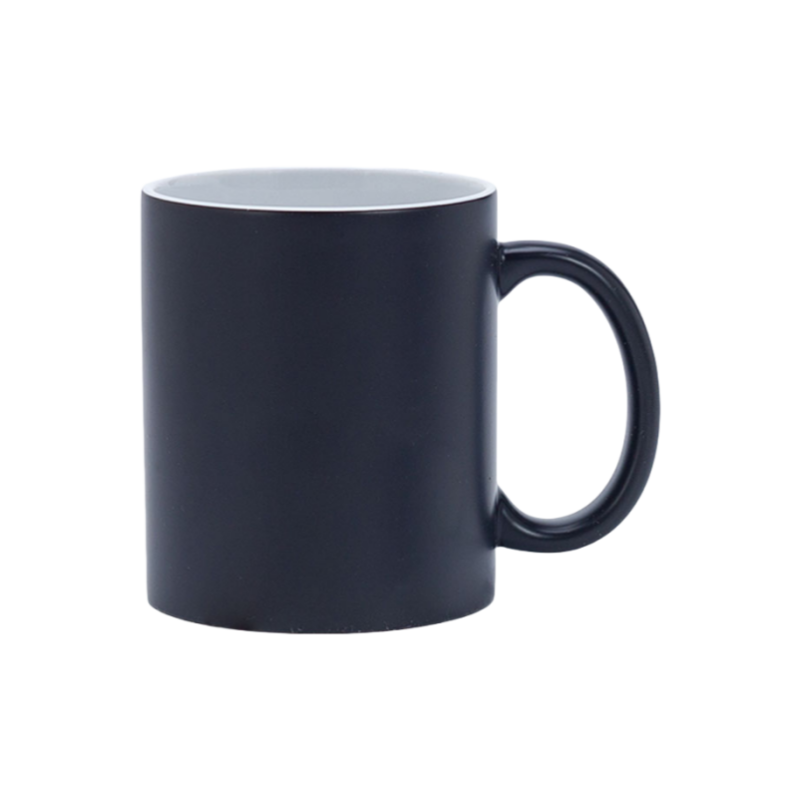
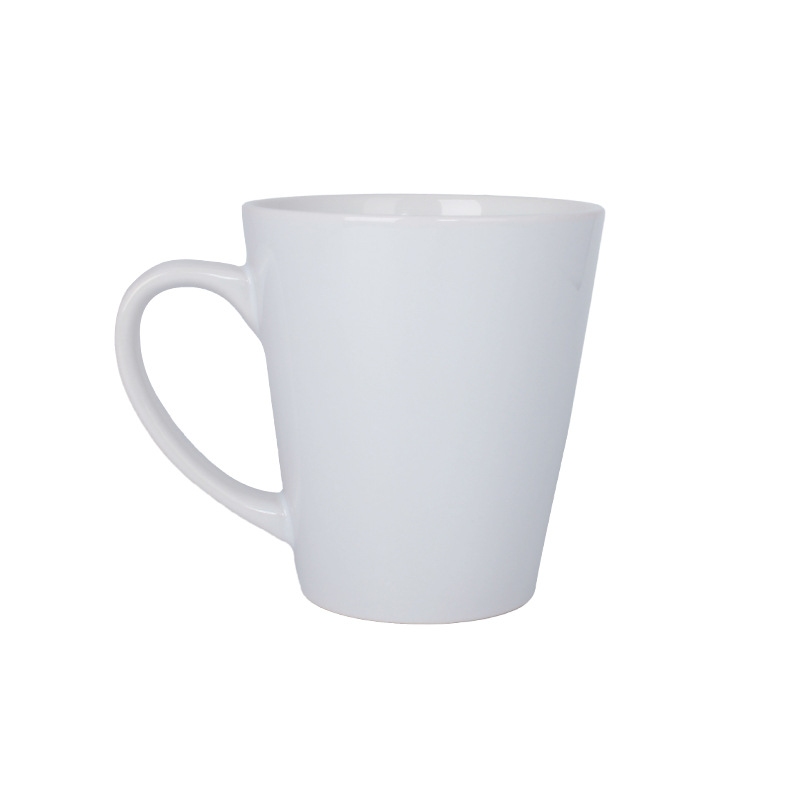
Products in this guide: 11oz Sublimation Blank Ceramic Mug · 11oz Sublimation Magic Mug
Where This Fits in the Sourcing Chain
The trial structure is decided at the specification stage, because it determines whether tooling is involved at all. The spec freeze guide explains how artwork and packing files are locked between orders. It also determines packaging, since a small order is often packed differently from a bulk one. The packaging guide explains how retail-ready and protective layers are specified together. The full chain follows the standard sourcing map. See the full ceramic sourcing process map.
Five Structures That Genuinely Work
A stock body with light decoration. The factory already runs the mould; the buyer chooses a decoration that can be applied without new tooling. This is the most common and the most sustainable structure — the minimum on a stock body is a fraction of the minimum on a new shape.
A mixed order across one body. Instead of one design in a small quantity, the buyer takes three decorations on the same body, reaching the minimum in total while keeping per-design quantities modest. It serves the same purpose as a trial and costs the factory nothing extra.
A consolidated shipment. Where a buyer is working with several suppliers or several categories, the trial rides along on a larger shipment — the container is already going, and the trial only adds cartons.
A paid pilot. The buyer purchases a set of finished, decorated units rather than samples — enough to test in the market, priced above bulk rate because it is produced outside a normal run. It is honest, it is small, and it is the fastest route to a real decision.
A start with a stockist or distributor. Buying in small quantity through a party who already holds stock in the market, then approaching the factory directly once the volume is proven. It costs a margin and it removes the minimum question entirely.
What the Buyer Should Expect to Pay For
A trial is cheaper in commitment and more expensive per unit, and both parts of that sentence are honest. Three costs do not disappear because the order is small: setup for decoration, artwork and proofing, and packing where a non-standard carton is involved. A buyer who understands that will negotiate on the right items — asking for the unit price premium to be credited against the first bulk order is a reasonable request, and many factories will agree to it.
Making It Convert
Four practices turn a trial into a programme. Fix the specification at trial stage, so the bulk order is a quantity change rather than a redevelopment. Record every parameter — body code, capacity, weight, decoration, carton count — because a trial that cannot be repeated was a sample, not an order. Agree the bulk price at the same time as the trial price, including its validity period. And name a date for the decision, so that the trial has a purpose beyond reassurance.
The Habit That Ties It Together
The habit is to design the first order as a small version of the programme rather than as an exception to it. Programs that do this convert enquiries that most suppliers refuse — and they convert them into buyers who already know how to order.
Related Products
Explore products featured in this guide:
Have questions? See our Sizes & Finishes FAQ and Ordering & Certifications FAQ.
Need a custom quote? Send an inquiry or browse our full product catalog.