Three Kings' Day: The Second Christmas Spanish-Language Buyers Plan For
- Share
- Issue Time
- Sep 13,2026
Summary
In Spain and much of Latin America, the gift-giving day is 6 January, not 25 December. For a ceramic supplier, that means a second peak that most English-language catalogues ignore — and it lands on the same container as Christmas.
The Problem: A Gift Day That Is Not on the English Calendar
A buyer building a gifting programme usually builds one: the Christmas range, delivered for the fourth quarter, followed by a quiet first quarter. For Spain, Mexico, Argentina and much of Latin America, that model misses the largest gift day of the year. Three Kings' Day — 6 January — is when the Three Kings bring gifts, when families gather around a sweet bread called *roscón de reyes*, and when a good share of the season's gifting actually happens. Catalogues written only for Christmas arrive late for the wrong date and leave the weeks after New Year's empty on the shelf.
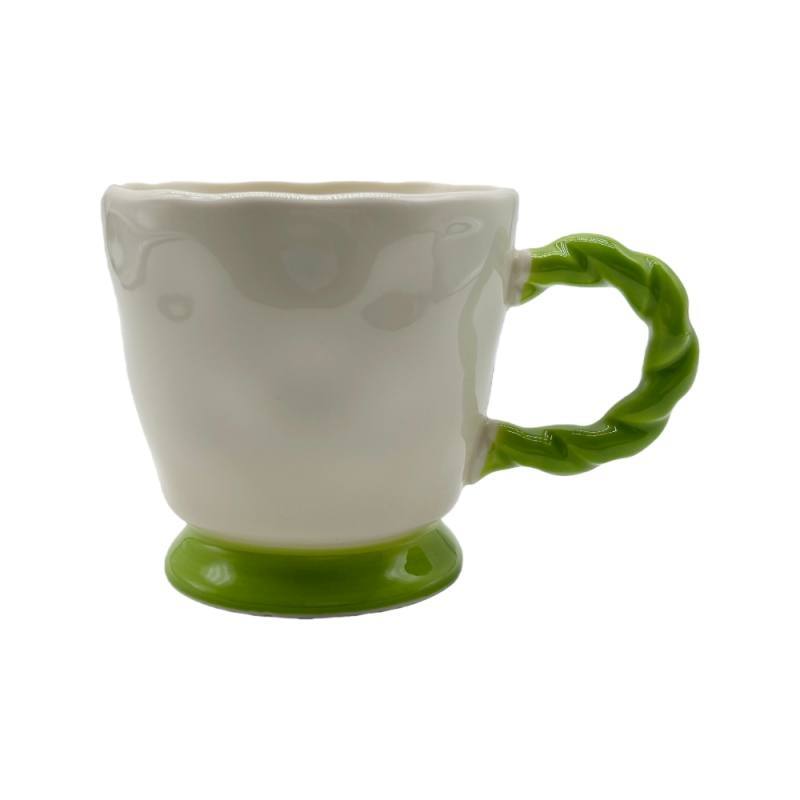
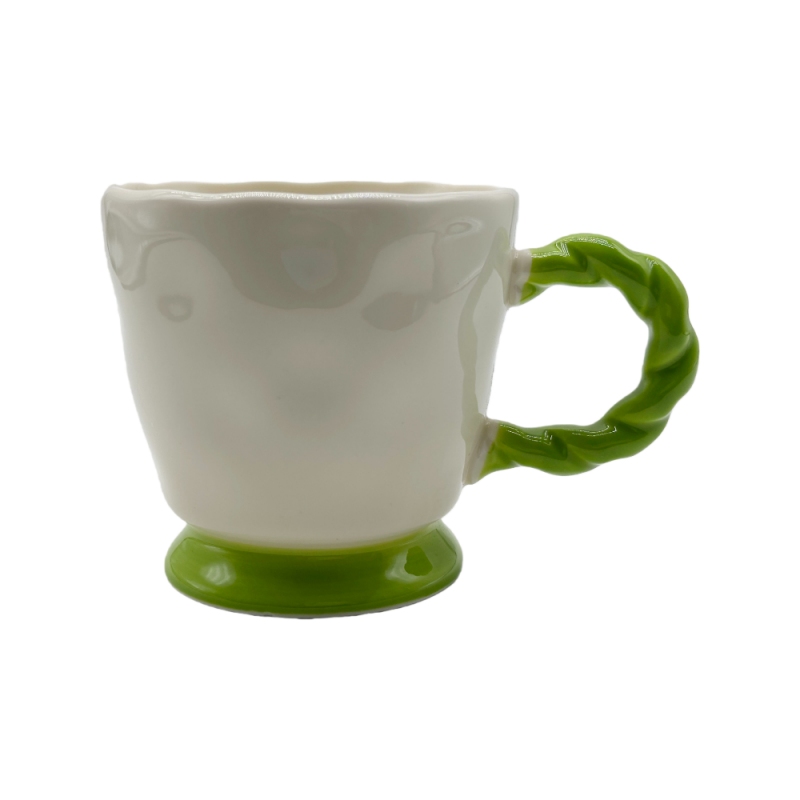
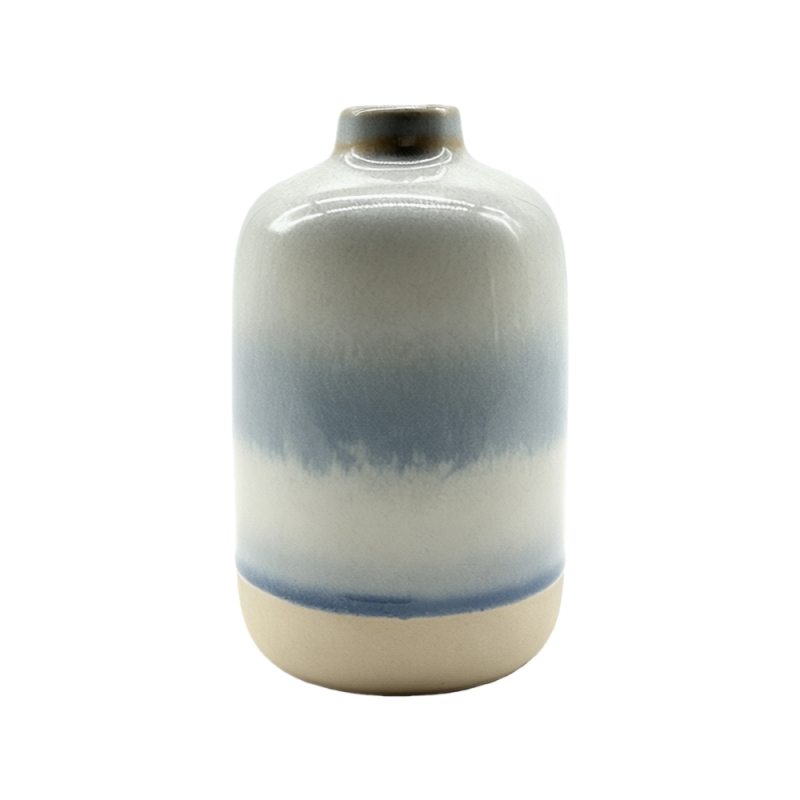
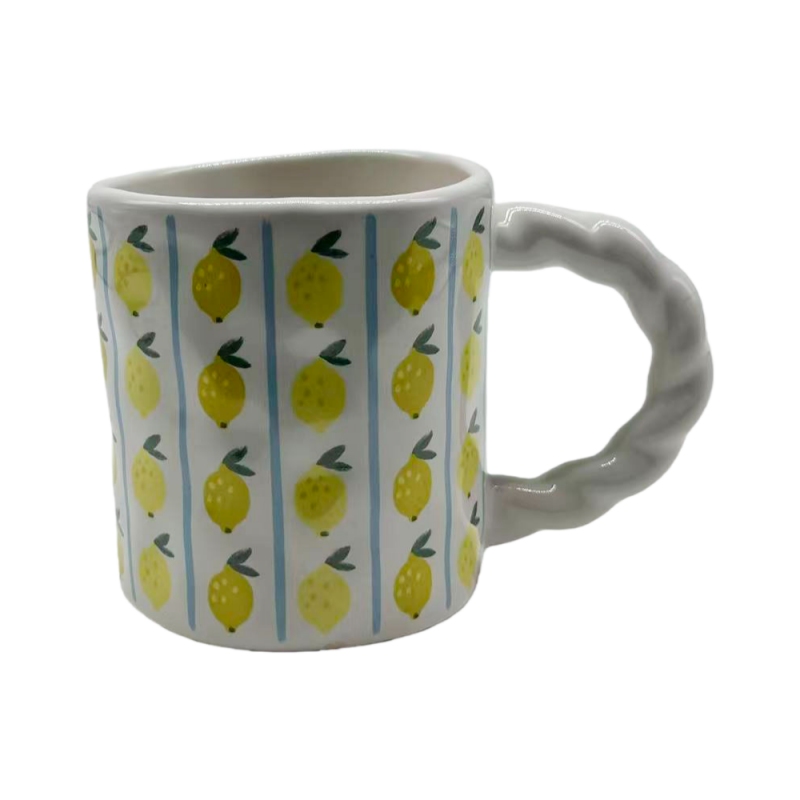
Products in this guide: Custom Design Ceramic Mug with Twisted Handle · Reactive Glaze Ceramic Flower Vase – Modern Handmade Home Décor Vase
Where This Fits in the Sourcing Chain
Three Kings' Day is a second date inside the same replenishment rhythm, and it is planned the same way: worked backwards from the shelf. The replenishment calendar maps the ordering windows for the whole year. Because it sits immediately after Christmas, the two windows are easily served by one production plan — which is exactly what makes it cheap to add and easy to miss. The quote validity guide explains how to hold prices on long programs. The full chain follows the standard sourcing map. See the full ceramic sourcing process map.
What Actually Happens on 6 January
The occasion is a family gift exchange with a strong table component. Three things follow for a tableware range:
It is food-led. The *roscón* is served on a platter and eaten from plates, so serving pieces and dessert plates are as relevant as mugs. A gift range for this date should include something that goes on the table, not only something that goes in a cupboard.
It is family-scaled. Gifts are bought for children, godchildren, parents and grandparents — which favours sets and multiples rather than single premium pieces.
It is warm rather than festive. The visual language is generosity and winter comfort, not the red-and-green of Christmas retail. Warm glazes, gold and deep colours sit better here than a Christmas motif reused.
The Design Decision That Saves Money
The obvious question is whether to run one range or two. The efficient answer is usually one range with a different pack: a mug or dessert-plate design that reads as a gift in both seasons, with the December box carrying Christmas imagery and the January box carrying a Three Kings motif. The ceramics stay the same; only the printed component changes, which keeps tooling and decoration in a single production run. Buyers who instead commission two full ranges pay twice for the same capacity.
The Logistics Collision Nobody Plans For
6 January feels like a January problem, and it is not. The goods must be on the shelf by late December, because the selling period is the week between Christmas and the holiday itself. Practically, that means the Three Kings stock travels in the same container as the Christmas stock, produced and shipped in the third quarter — not in a January top-up. Adding the January pack to the Christmas programme costs little at the planning stage and is impossible to add afterwards without air freight.
What to Ask For in One Sentence
"Can the January pack use the same mug as the Christmas pack?" That single question establishes whether the programme is one production run with two printed components or two runs. Everything else — the *roscón* platter, the family sets, the warm palette — follows from the answer.
The Habit That Ties It Together
The habit is to read the destination market's calendar instead of the exporter's own: for the Spanish-speaking world, the gift season has two dates, and the second one is the bigger. Programs that plan for it sell twice from one container. Programs that do not spend January explaining why the shelves are empty.
Related Products
Explore products featured in this guide:

Have questions? See our Sizes & Finishes FAQ and Ordering & Certifications FAQ.
Need a custom quote? Send an inquiry or browse our full product catalog.