Travel Retail and Duty Free: A Channel Where the Gift Decision Is Made in Minutes
- Share
- Issue Time
- Sep 15,2026
Summary
Airport and travel retail sell to a captive customer with limited time and a gift obligation. The channel's requirements — pack, price point, and brand-ready presentation — are unlike any domestic retail brief.
The Problem: A Shopper With Minutes and an Obligation
Travel retail — airports, ferries, on-board shops, border stores — is one of the few retail environments where the customer has almost no time and a real reason to buy: they are away from home, they forgot someone, or they want to bring something back. The consequence is a channel with distinctive rules. The pack has to communicate in seconds, the price point has to be justifiable without comparison shopping, and the product has to survive being carried in hand luggage. Suppliers who treat this as ordinary retail fail on all three.
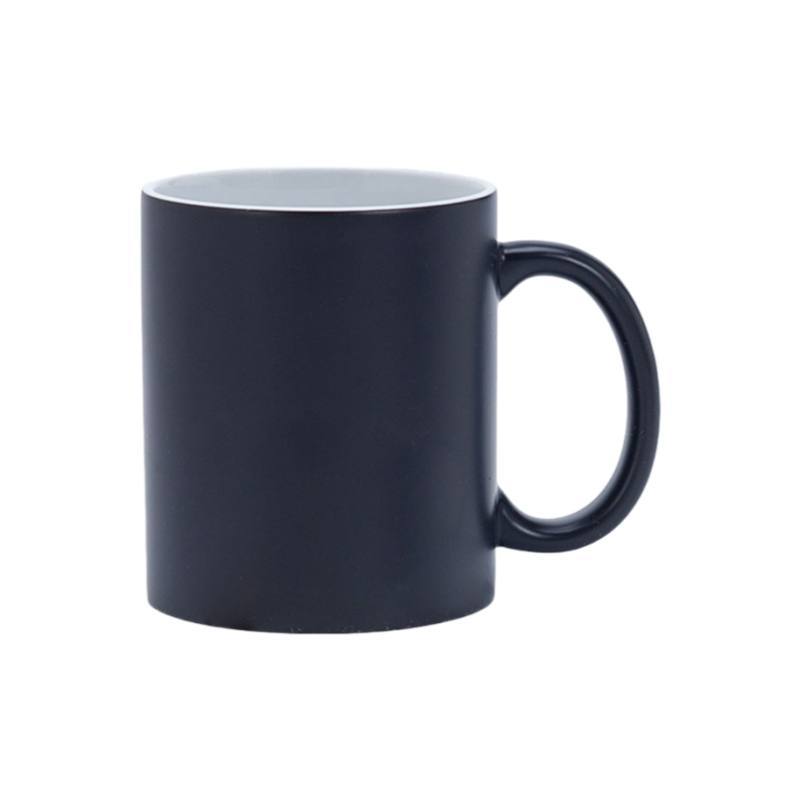
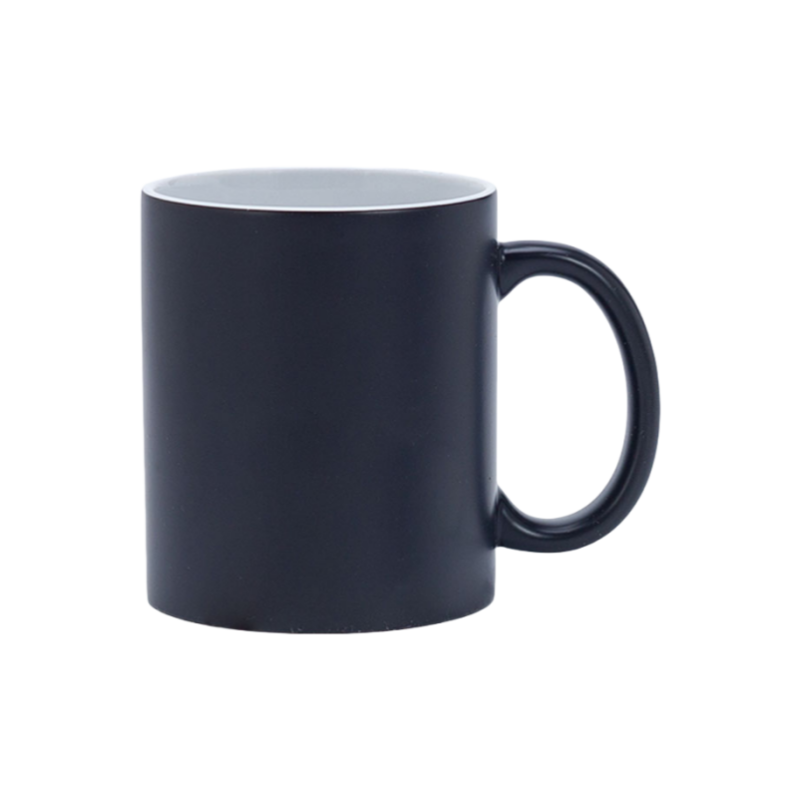
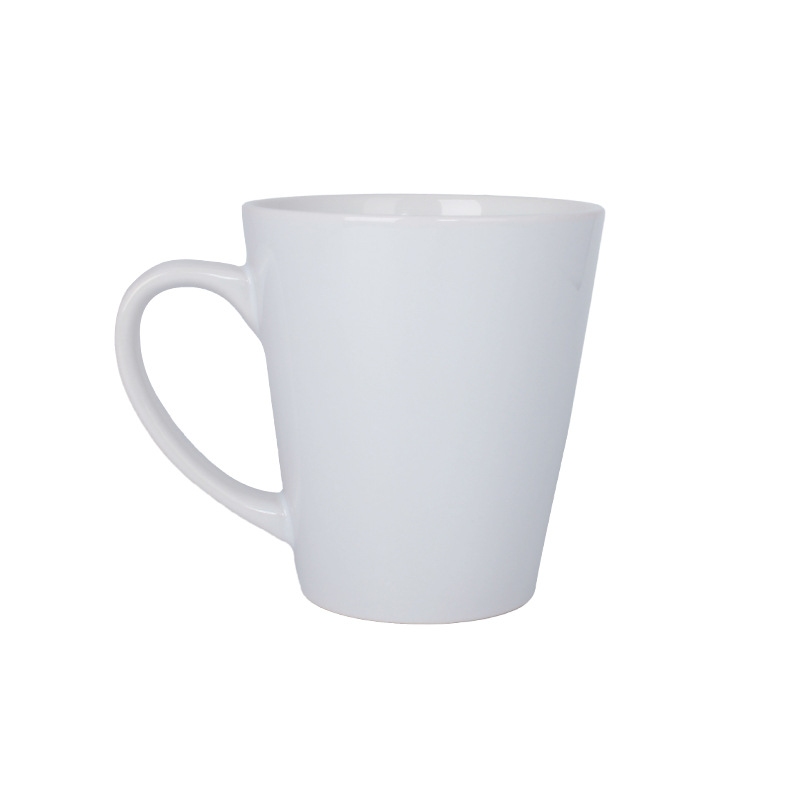
Products in this guide: 11oz Sublimation Magic Mug · Blank Sublimation Latte Mug
Where This Fits in the Sourcing Chain
Presentation dominates: the box is the seller, because it is what the shopper sees while walking past. The packaging guide explains how retail-ready and protective layers are specified together. The specification itself must be simple and repeatable, because travel retail listings renew on a cycle and reorders come with a date. The spec freeze guide explains how artwork and packing files are locked between orders. The full chain follows the standard sourcing map. See the full ceramic sourcing process map.
What the Channel Requires
Packaging that sells while walking. A box that shows the product, names the place or the brand, and gives the price logic at a glance. Window packs work well here, and so do rigid boxes with a strong graphic — but the piece has to be readable from two metres.
A price point that survives impulse. Typically the channel operates in tiers — an accessible small item, a mid-range standard gift, and a premium hero. The customer is not comparing retailers, so the question is whether the price feels reasonable for the occasion rather than whether it is the lowest available.
Travel-durable packaging. Goods are carried, not shipped: a rigid box with an insert protects the piece in a bag, and a lightweight construction keeps hand luggage within limits.
Place-identity where the buyer wants it. Travel retail rewards products that reference the location, which is a decoration opportunity rather than a specification change — and often a licensing question, where a city or an airline mark is involved.
Who Buys
Travel retail operators and their concessionaires, who manage the space and choose the range — the gatekeeper for most listings. Airline and ferry on-board retail, which buys a narrower, lighter-range range with its own packaging requirements. Destination retail — airport-adjacent gift shops, city gift chains, hotel gift shops — which behaves like visitor retail with a stronger national identity. Brands and distributors with existing travel retail accounts, who are the most practical route in for a supplier without a listing of their own.
The Listing Reality
Two characteristics define the commercial relationship. Range review cycles, usually annual, with samples and pricing submitted well ahead — the practical calendar runs six to nine months before the shelf date. And listing concentration: a single decision by a travel retail operator can put a product into dozens of locations, which means the first order is large and the specification must be right before it is placed. That structure rewards suppliers who arrive with a complete, documented offer rather than with a sample.
The Ordering Calendar
Travel retail is driven by passenger seasons: summer, the year-end holidays, and — in many markets — the period around major holidays when gift buying peaks. For a spring-summer shelf, the order belongs in September to November of the previous year; for the year-end season, April to June. Both windows sit comfortably alongside the domestic gift ranges, which means the same body and decoration can serve both channels without a separate production plan. The replenishment calendar maps the ordering windows for the whole year.
The Habit That Ties It Together
The habit is to design for a shopper who has four minutes and will not read anything. Programs that do this win travel retail listings with a box and a price point. Programs that do not send a beautiful product in packaging that explains nothing, and watch it sit on a shelf beside a city-keyring display.
Related Products
Explore products featured in this guide:


Have questions? See our Sizes & Finishes FAQ and Ordering & Certifications FAQ.
Need a custom quote? Send an inquiry or browse our full product catalog.