Utensil Storage and Serving Trays: Small Objects That Solve a Daily Fuss
- Share
- Issue Time
- Sep 17,2026
Summary
Cutlery holders, utensil crocks and serving trays are bought year-round, replaced without drama, and gifted constantly. They are unglamorous, and they are one of the most reliable additions to a tableware range.
The Problem: The Failure Is Always the Same
Utensil storage and trays fail for one reason, and it is measurable: they are too small for what goes in them. A utensil crock that cannot hold a full set of tools, or a tray that is narrower than a dinner plate, is returned or abandoned — and the buyer, who is not going to test every option, moves to a plastic product that simply works. The commercial opportunity is therefore not decoration. It is dimension, stability and washability, delivered in a form that still looks good enough to be given as a housewarming present.
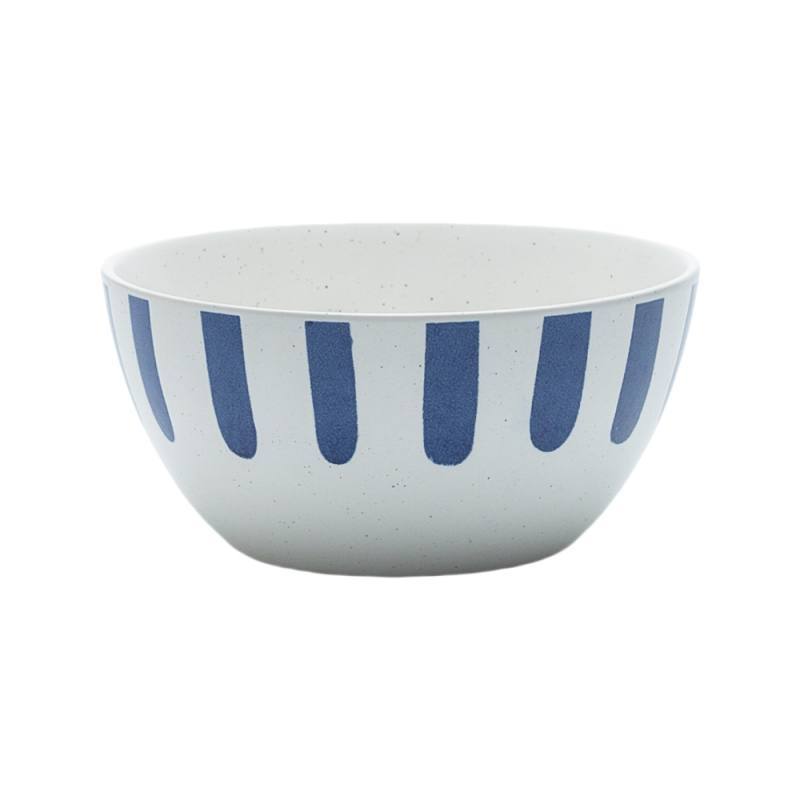
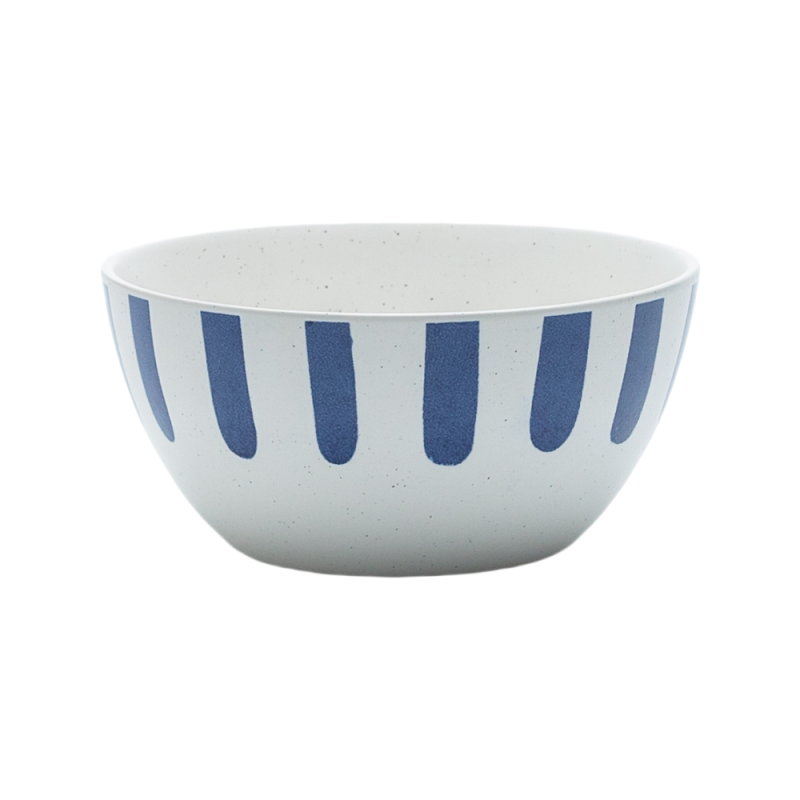
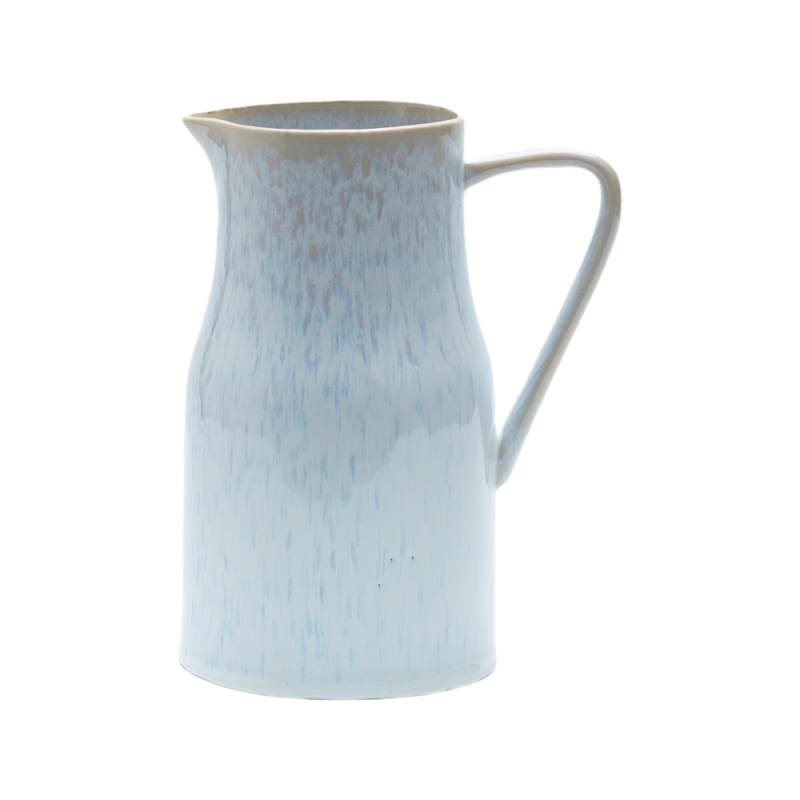
Products in this guide: Nordic Blue Brushstroke Ceramic Bowl · Handcrafted Reactive Glaze Ceramic Pitcher
Where This Fits in the Sourcing Chain
The specification is functional: capacity, weight, base stability and how the piece behaves when washed daily. The spec freeze guide explains how artwork and packing files are locked between orders. Many of these items are sold boxed or as sets, so the pack belongs to the same decision. The packaging guide explains how retail-ready and protective layers are specified together. The full chain follows the standard sourcing map. See the full ceramic sourcing process map.
The Forms That Sell
The utensil holder or crock — tall enough for the longest common utensil, wide enough not to tip, and heavy enough in the base that a spoon does not topple it. This is the most-ordered item in the category and the one where sizing matters most.
The cutlery holder or caddy — compartmented, for a table or a buffet, and increasingly bought for indoor-outdoor table settings.
The serving tray, in two widths: one that takes a dinner plate and a glass, and one that takes a teapot and cups. Both are gifts, and both photograph well.
The drawer and counter organiser — a knife rest, a spoon rest, a small dish for oil or salt. Low unit value, high repeat, and the natural way to fill a price ladder.
The butter dish and jam jar with a lid, which sit in the same purchase as the crock and are strong gift items in their own right.
What the Specification Has to Get Right
Capacity sized to real objects. The supplier should state what fits: how many utensils, what plate diameter, whether a standard wine glass stands safely on the tray. Buyers respond to specifics, and specifics are also what prevent the return.
Base stability and weight. A crock with a tall profile and a light base tips; a tray with a narrow footprint and a heavy load is unstable in the hand. Wall thickness and base diameter are the levers, and both are cheap to specify at design stage.
Frequent washing. These pieces are washed daily, and often left wet — so glaze coverage should be complete, and any part not glazed should be a decorative element rather than an exposed functional surface.
Stackability and footprint, since retail shelf space and kitchen counters are both scarce, and a piece that nests with others is easier to sell as part of a set.
Who Buys, and When
Home and tableware retail, where these are the add-on items that lift an average basket. Gift and online home retail, where the utensil crock and the tray are the natural housewarming purchases. Hospitality suppliers, buying crocks and caddies for kitchens and buffets where replacement is routine. Supermarket own-brand ranges, buying simple designs to standard dimensions, usually as part of a kitchen set.
Demand is year-round with a fourth-quarter lift, and the gifting occasions — housewarming, weddings, new-home seasons in spring and summer — spread it further rather than concentrating it. For a fourth-quarter shelf date, the order belongs in May to July with the rest of the gift ranges; for supermarket programmes the category review sets its own calendar. The replenishment calendar maps the ordering windows for the whole year.
Why It Is Worth Adding
Three reasons. The items are cheap to add to an existing range, because they reuse a body, a glaze and a decoration language that already exist. They are bought again without ceremony, which makes them a dependable base load. And they are given as gifts, which means they carry a price point that the object itself would not justify. A tableware range without storage and trays is leaving a quiet, reliable margin on the table.
The Habit That Ties It Together
The habit is to specify by what the piece has to hold rather than by how it looks on a page. Programs that do this sell storage that gets used and reordered.
Related Products
Explore products featured in this guide:
Have questions? See our Sizes & Finishes FAQ and Ordering & Certifications FAQ.
Need a custom quote? Send an inquiry or browse our full product catalog.