Warehouse and Stacking Efficiency: Where Quiet Damage Happens
- Share
- Issue Time
- Sep 19,2026
Summary
Ceramic stock spends more time in a warehouse than on a shelf, and it is there that much of the damage begins. Carton strength, stack height, pallet patterns and rotation are specification decisions, not housekeeping.

The Problem: Damage That Appears Weeks Later
Ceramic damage is not always visible on arrival. A carton crushed at the bottom of an over-stacked pallet often releases undamaged-looking pieces that fail later — a hairline crack that opens when hot water is poured, a rim chip that appears after the first wash. By that time the goods have moved, the container has gone, and the claim is argued rather than settled. Much of that loss is preventable, and it is preventable before the order ships, by decisions about carton grade, stack height and pallet pattern.
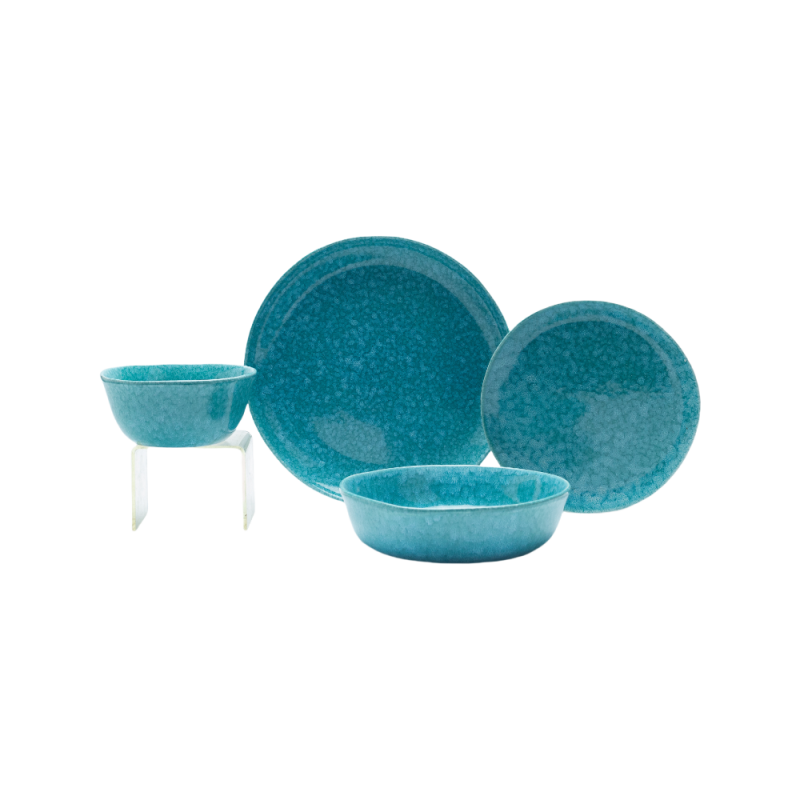
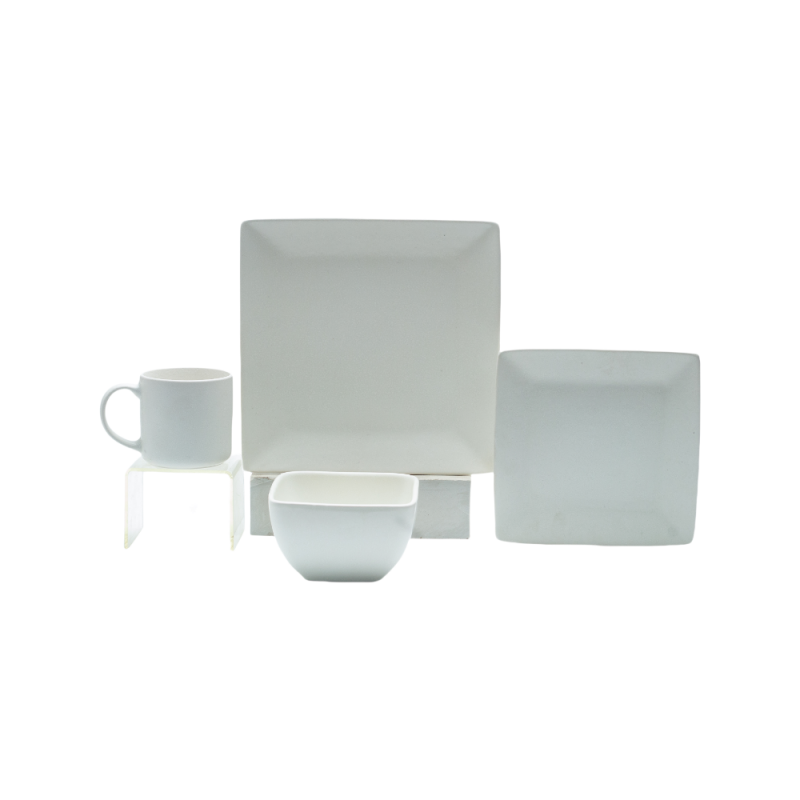
Products in this guide: Boho Style Hand-Painted Ceramic Dinnerware Set · 4-Piece Teal Blue Crystalline Glazed Stoneware Dinnerware Set
Where This Fits in the Sourcing Chain
Stacking performance is a carton and pallet specification, agreed with the supplier and written on the order. The packaging guide explains how retail-ready and protective layers are specified together. It interacts with the product specification, because a heavier body or a stacked set needs more protection per carton. The spec freeze guide explains how artwork and packing files are locked between orders. The full chain follows the standard sourcing map. See the full ceramic sourcing process map.
The Four Physical Limits
Carton compression strength. Every board grade has a load it can bear in a stack, and that figure falls in humid conditions and over time. A stack built to a carton's dry-day limit will fail in a damp warehouse three weeks later — which is why the honest stacking figure is a fraction of the laboratory one.
Stack height. There is a practical ceiling for each carton, usually expressed as a maximum number of cartons or a maximum pallet height. Exceeding it damages the bottom layer first, which is exactly the layer nobody inspects.
Pallet pattern. How cartons are arranged determines whether the load is stable in transit and whether the pallet edge is overhung. An overhanging carton has no support at the corner and is the first to crush.
Weight distribution. Heavy goods low, light goods high. A pallet built the other way is unstable in a truck and prone to leaning during storage.
What the Supplier Should Provide
Four items, all cheap to produce and valuable to the buyer. Carton grade and its practical stack limit, stated as a number rather than a description. The pallet pattern, shown as a small diagram, including the cartons per layer and layers per pallet. Carton dimensions matched to common racking, because a carton that overhangs a racking beam wastes height or risks a fall. And labels that carry the batch, the production date and the quantity, which is what makes rotation possible at all.
What the Buyer Controls
Four levers, none of which require new equipment. Slotting by velocity: fast-moving items at the pick face, slow items in bulk storage — because every unnecessary movement is a handling risk. FIFO or FEFO rotation, driven by the labels above; a warehouse that cannot tell old stock from new will eventually ship the oldest to the customer who complains about it. Stack height discipline, meaning a written rule that survives a busy week and temporary staff. And cross-docking for the fastest movers, so stock that is already sold never enters storage at all.
What to Put on the Order
Four lines in the purchase order prevent most storage damage. The maximum stack height for this carton. The pallet type and pattern if the buyer has a racking constraint. The labelling requirement, including batch and date, for rotation. And the inspection point — whether the buyer will check at the port, at the warehouse door, or both, since a claim is far easier to make at the point of handover.
The Quiet Arithmetic
Storage damage is expensive out of proportion to its visibility: the loss is not only the broken piece, but the replacement, the freight, the labour of sorting, and the customer conversation that follows a delivery with a cracked piece inside. Against that, the cost of specifying a stronger carton or a lower stack is small, and it is decided once. Which is why the useful conversation is not about warehouse discipline in the abstract, but about four numbers written on the order.
The Habit That Ties It Together
The habit is to treat storage as part of the journey, not as somewhere the goods wait. Programs that do this ship less damage, argue fewer claims, and use the same warehouse space for more stock.
Related Products
Explore products featured in this guide:


Have questions? See our Sizes & Finishes FAQ and Ordering & Certifications FAQ.
Need a custom quote? Send an inquiry or browse our full product catalog.