When Something Goes Wrong: Root Cause and Corrective Action, Done Properly
- Share
- Issue Time
- Sep 18,2026
Summary
A complaint is only useful if it changes something. This is the practical machinery behind a closed loop — describing the fault precisely, finding the cause rather than the culprit, and proving the fix worked.
The Problem: Fixing the Symptom and Calling It Closed
Most complaints are answered, not resolved. A credit note is issued, a replacement is shipped, and the same problem returns in the next delivery — because the response addressed the instance rather than the cause. The difference between the two is a method, and the method is not complicated: define the problem precisely, find out what actually changed, contain the effect, fix the mechanism, and then verify that the fix held. A supplier who runs that loop becomes the supplier that does not have repeat problems, which is a commercial advantage in a business where buyers remember which problems recurred.
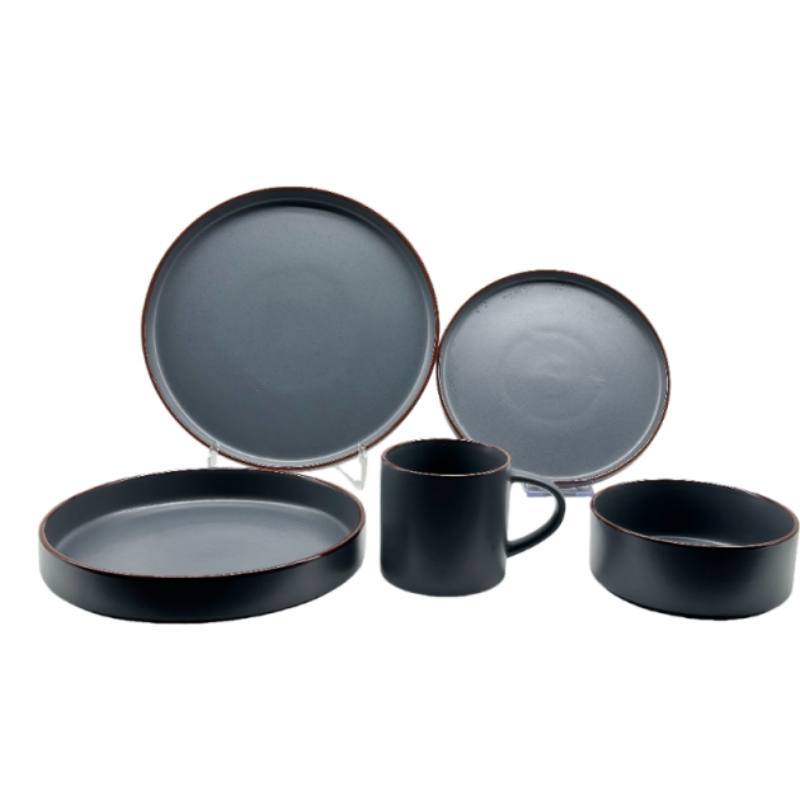
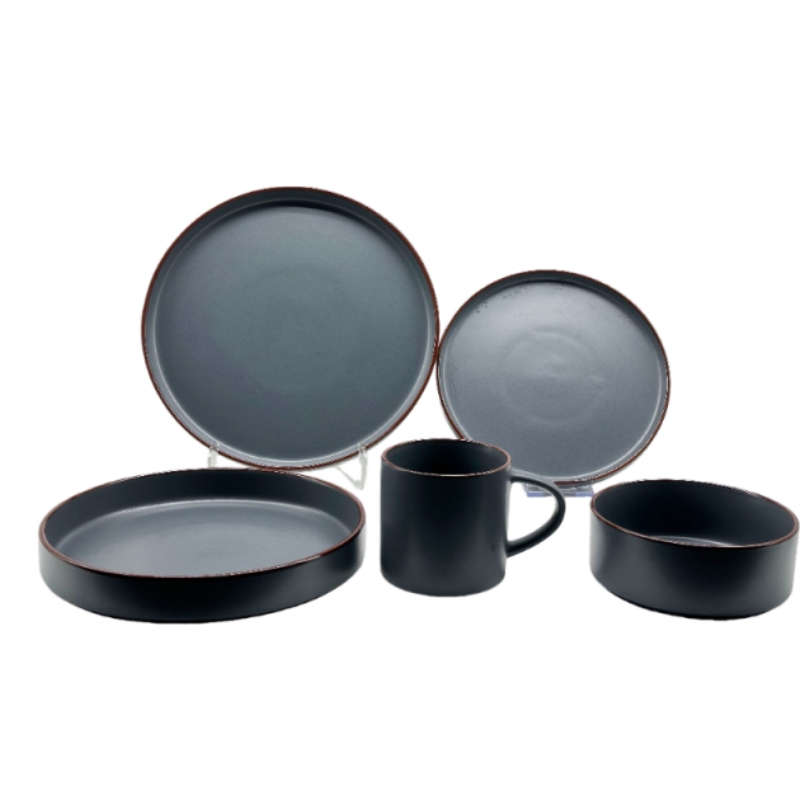
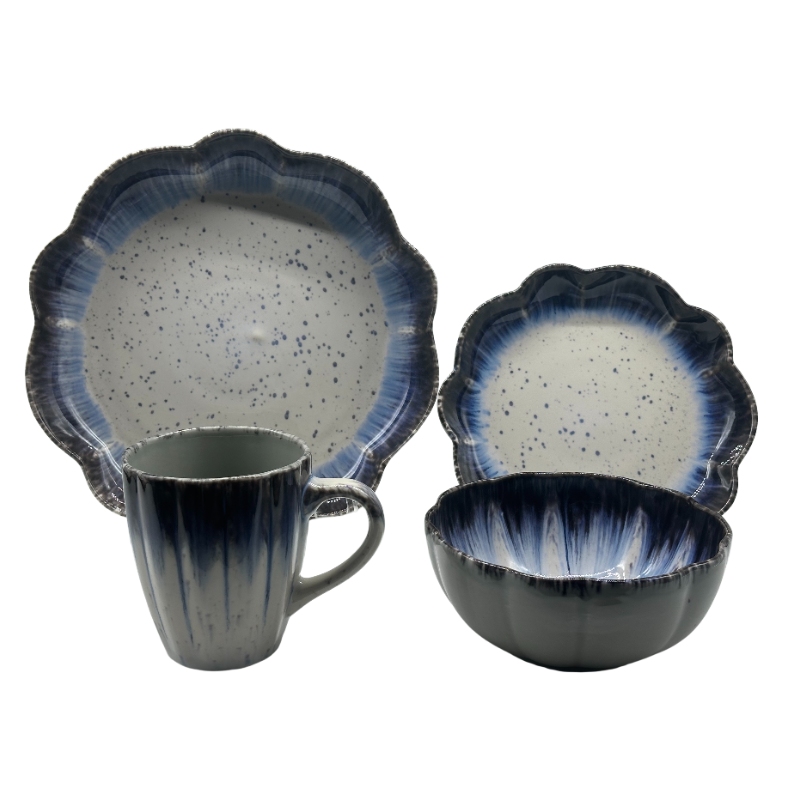
Products in this guide: 5-Piece Matte Stoneware Dinnerware Set – Modern Black & Grey Plates · 16-Piece Ceramic Stoneware Reactive Glaze Dinnerware Sets
Where This Fits in the Sourcing Chain
Root cause work depends on records made earlier: the batch number, the retained sample, the inspection report and the production conditions. The spec freeze guide explains how artwork and packing files are locked between orders. Whatever changes as a result — the specification, the packing, the inspection standard — is a specification update, not an email. The packaging guide explains how retail-ready and protective layers are specified together. The full chain follows the standard sourcing map. See the full ceramic sourcing process map.
Step One: Define the Problem So It Can Be Tested
A useful problem statement contains four things: what the defect is, where it was found (which carton, which pallet, which position), how many of how many, and when it appeared relative to previous deliveries. "Some mugs chipped" cannot be investigated; "14 of 480 mugs in cartons 3–7 showed chipped handles, all from the batch shipped on 12 August, first reported by the customer on 2 September" can. Getting this definition right is usually most of the work.
Step Two: Contain Before You Investigate
Containment is the part that protects the customer while the analysis is running. Three actions: identify the affected batch and hold any remaining stock of it; decide what the customer receives — replacement, credit or acceptance — and say so within a stated time; and check whether the same condition could exist in goods already in transit, which is a question people forget until the second complaint arrives.
Step Three: Find the Cause, Not the Culprit
Ceramic defects come from a small set of mechanisms, and each has a different owner: forming (profile, thickness, handle attachment), drying and firing (crazing, warping, colour shift), glazing (coverage, pinholing, crawling), decoration (registration, adhesion, tone), packing (insufficient inner protection, carton strength), and transit (handling, humidity, load). Checking whether the fault is random or clustered is the fastest way to narrow it: a clustered fault points to a batch or a position; a random one points to a systemic variable such as clay or temperature.
Step Four: Fix the Mechanism, Then Prove It
A corrective action is only real when something in the process or the specification has changed and can be named: a revised thickness tolerance, a new inner-pack insert, an added inspection point, a changed stacking rule. Then it needs verification — the next delivery checked against the specific defect, with results recorded. Without that step, the fix is a belief rather than a fact.
What a Buyer Should Ask For
Four items after any complaint, and they are reasonable to request: the problem definition as understood by the supplier; the cause identified, with the evidence; the action taken, stated as a change to a process or specification; and how it will be verified on the next shipment. A supplier who can answer all four is running a quality system. One who cannot is running a complaints inbox.
The Habit That Ties It Together
The habit is to treat every complaint as a free inspection of your own process. Programs that do this get better with each problem. Programs that do not get the same problem, at increasing cost, until the customer stops calling.
Related Products
Explore products featured in this guide:

Have questions? See our Sizes & Finishes FAQ and Ordering & Certifications FAQ.
Need a custom quote? Send an inquiry or browse our full product catalog.