When a Shipment Goes Wrong: Closing the Loop from Complaint to Corrective Action
- Share
- Issue Time
- Sep 9,2026
Summary
A quality complaint that ends with an apology is a wasted complaint. This guide walks the full corrective loop — evidence, root cause, factory response, disposition of the affected stock — and shows how the process makes the next order stronger instead of just quieter.
The Problem: A Complaint Without a Loop Is Just Noise
Somewhere in almost every sourcing relationship, a shipment disappoints: a glaze runs thin on one pallet, a print sits two millimetres off centre, a lid fits loosely. What separates professional buyers from frustrated ones is not whether problems happen — they do — but what happens in the two weeks afterwards. A complaint that consists of photos and anger produces an apology and a discount, and teaches nobody anything. A complaint run as a structured loop produces a root cause, a correction, and a factory that knows its buyer measures consistently. This guide walks that loop: what to send, what to ask for, what "closed" actually means, and how the process feeds back into the next order.
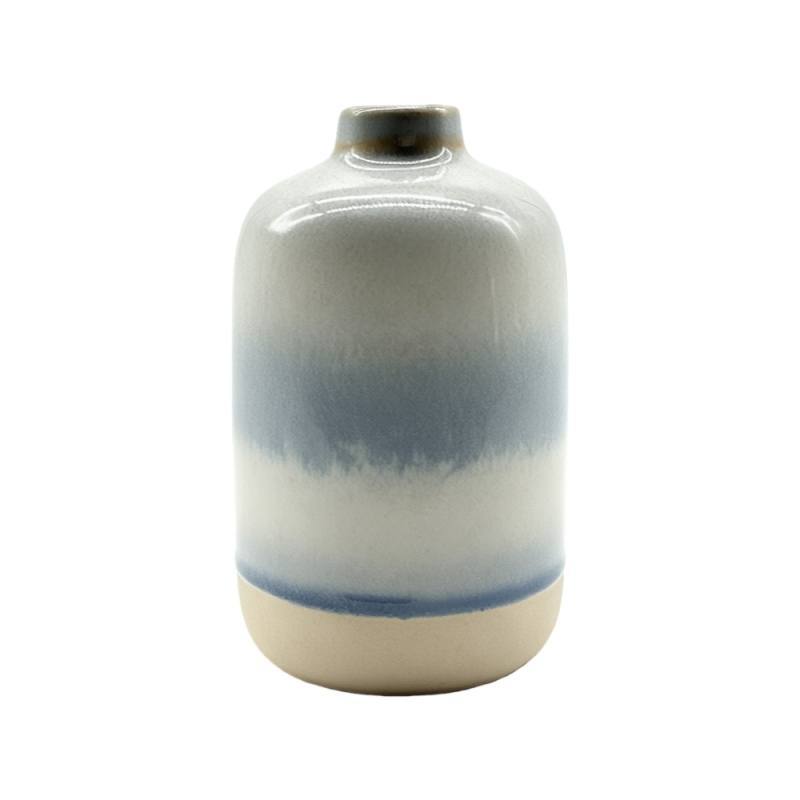
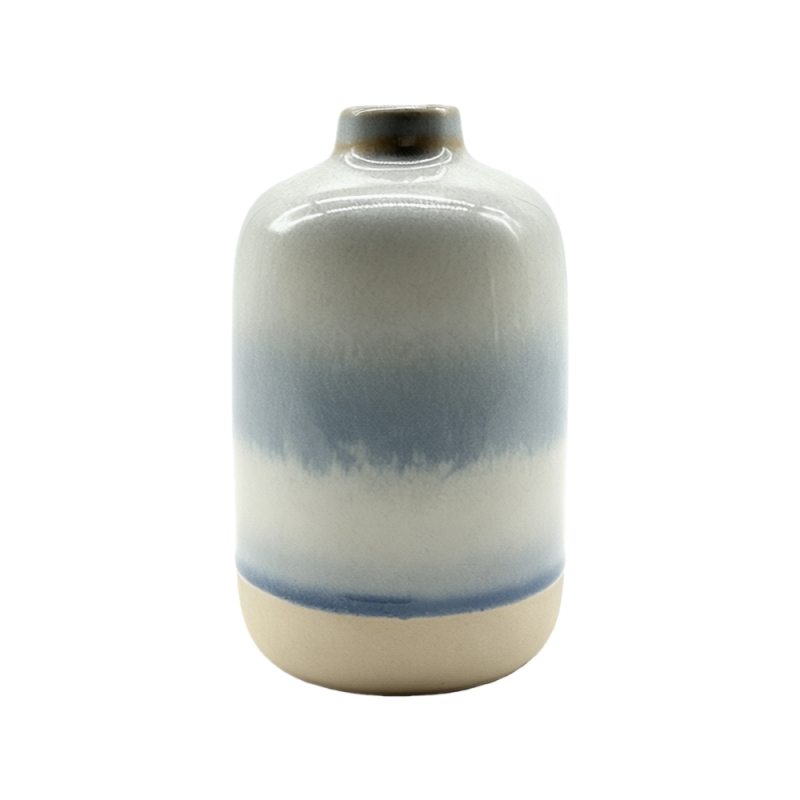
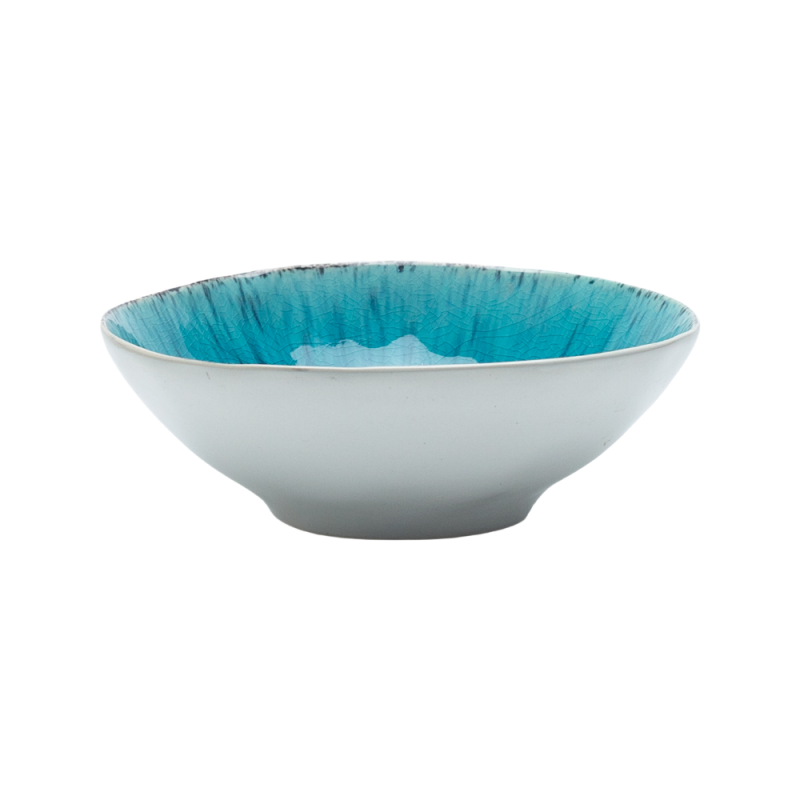
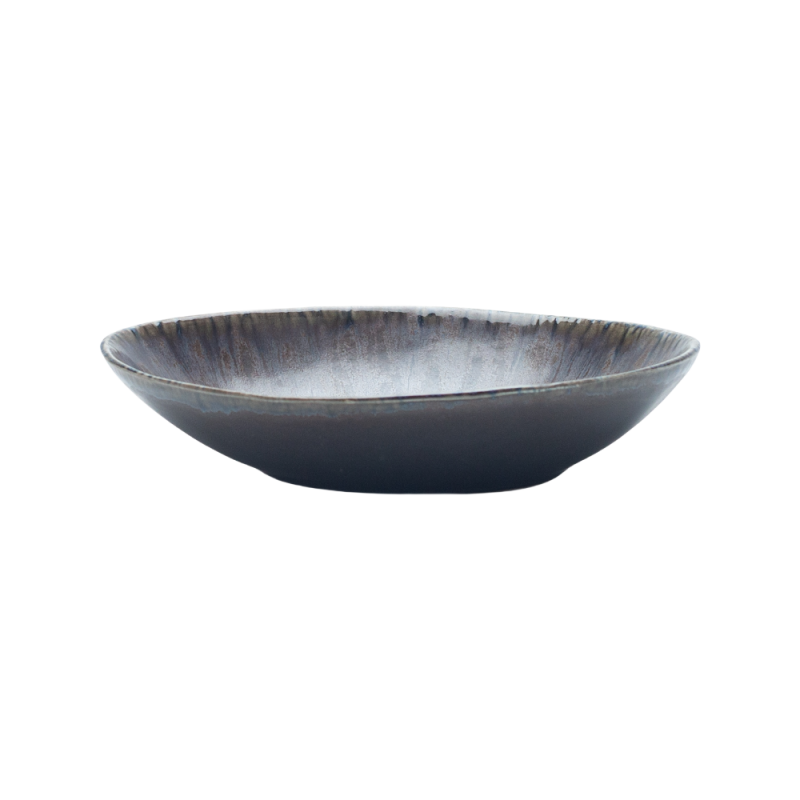
Products in this guide: Reactive Glaze Ceramic Flower Vase · Crackle Glaze Ceramic Bowl
Where This Fits in the Sourcing Chain
The loop only works on a foundation laid before production: the acceptance standards written into your order terms. The quality terms guide explains how to write acceptance standards into the order. It also leans on the reference documents from the factory floor — which is exactly what the annual visit is for. The annual factory visit guide explains what to inspect on site. And the verdict at the heart of any complaint is a measurement against an agreed baseline, which is what an AQL standard provides. The AQL baseline guide explains how acceptance levels are set and written down. The full chain that carries all of this follows the standard sourcing map. See the full ceramic sourcing process map.
Step One: Build the Evidence Pack Before You Send Anything
The quality of the response you get is set by the quality of the evidence you send. A useful pack contains:
- The affected quantity against the shipped quantity — "about 30 in one carton" invites debate; "37 units across 2 of 412 cartons" does not.
- Photos that answer questions instead of raising them: wide shot, mid shot, close-up with a ruler or coin for scale, and at least one showing the carton label or batch marking.
- Your acceptance standard — the clause or AQL class the defect falls under, so the factory argues about facts, not feelings.
- The commercial impact in one line: can you sell it, discount it, or is it dead stock?
Send it once, complete. A drip of photos over three days reads as an escalation, not an investigation.
Step Two: Ask for a Root Cause, Not Just a Remedy
The first factory reply will usually offer a remedy: a discount, a credit, a replacement run. Take the remedy, but do not stop there. The question that matters is why the defect passed the factory's own checks. A credible root-cause answer names a mechanism — a kiln zone running cool, a decal batch change, a packing step skipped on a rush day. Vague answers ("worker error", "unfortunately it happened") are a signal to press: a factory that cannot name the mechanism cannot prevent the next occurrence, whatever it promises.
Step Three: Close the Loop on the Affected Stock — and the Next Order
Disposition is a decision, not a debate: sell as-is in a channel that tolerates the defect, rework where the process allows it, or scrap with a credit. Get it agreed in writing, then ask the closing question that professional buyers rarely skip: what changes on the next order? Sometimes the answer is a process fix the factory makes internally; sometimes it is a small specification change on your side — a tighter colour reference, an extra packing divider — that costs little and closes the door on a repeat. Whatever the answer, it belongs in the order file with everything else, so the correction survives staff turnover on either side.
What the Loop Buys You Over Time
Buyers who run complaints this way notice something counter-intuitive: the relationship usually gets stronger, not worse. Factories do not lose respect for buyers who measure carefully; they allocate their best attention to them. The corrective loop, run two or three times, becomes shared history — evidence that problems are survivable, conversations are factual, and the next order will be better than the last.
Related Products
Explore products featured in this guide:
Have questions? See our Sizes & Finishes FAQ and Ordering & Certifications FAQ.
Need a custom quote? Send an inquiry or browse our full product catalog.