Wineries and Farm-to-Table Restaurants: Small Kitchens, Strong Aesthetics
- Share
- Issue Time
- Sep 26,2026
Summary
A winery tasting room or a farm restaurant serves a short menu in a small space, with a room that has to look like the place it is in. Three specifications decide whether the crockery supports the story or contradicts it.
The Problem: A Room That Has to Look Like Somewhere
A winery tasting room and a farm-to-table restaurant are buying crockery for a room with a point of view. The menu is short, the kitchen is small, and the tableware is part of an argument about provenance. That produces a buying brief that is unusual in two ways: the aesthetic is a functional requirement rather than a decoration, and the quantities are small enough that a single mismatched piece is visible on every table.
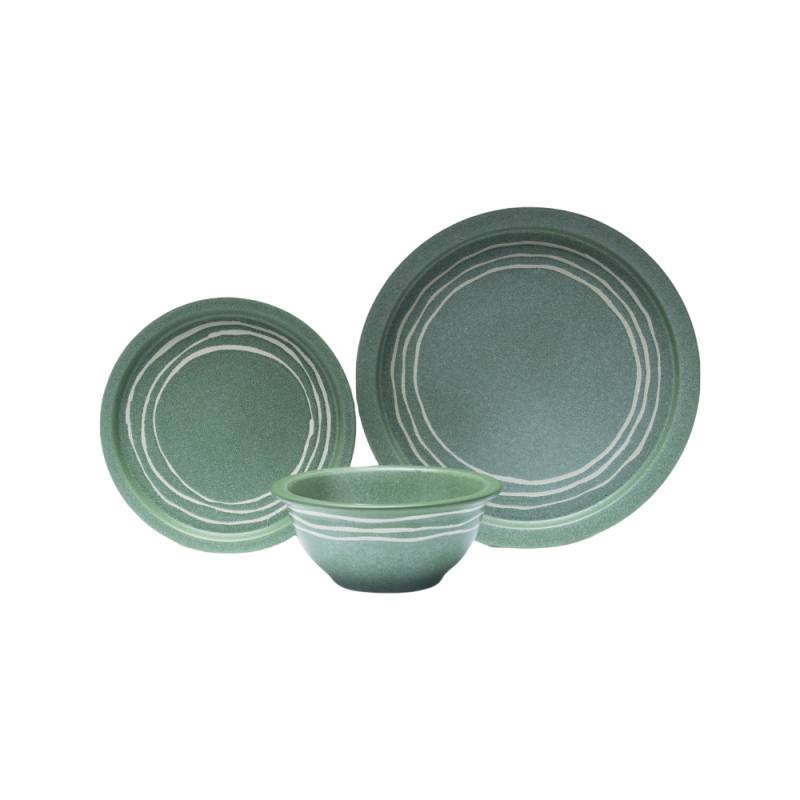
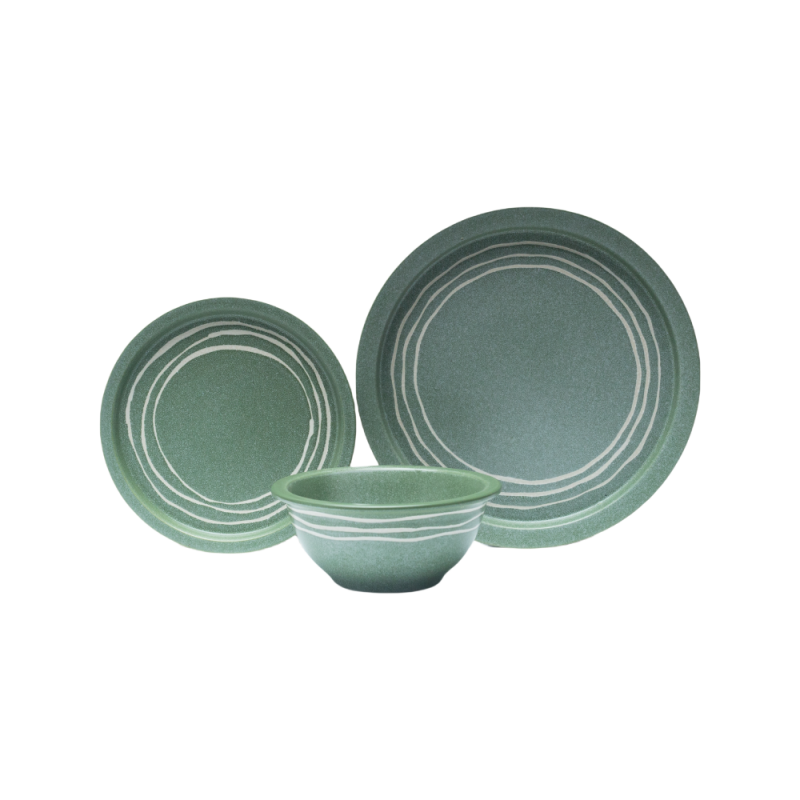
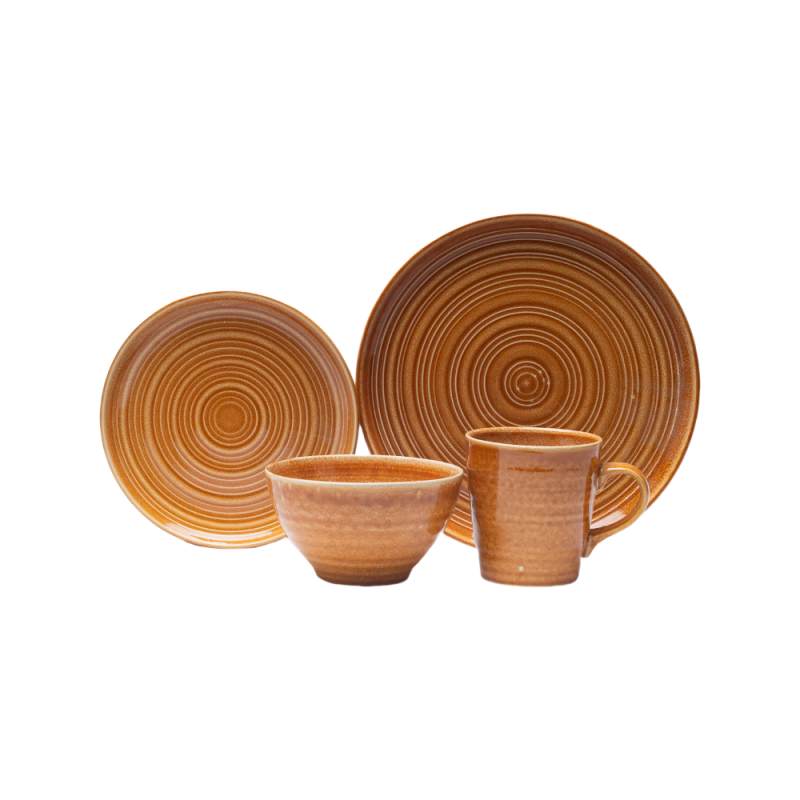
Products in this guide: Handcrafted Green Stoneware 3-Piece Set · Vintage Caramel Brown Stoneware 4-Piece Set
Three Specifications
A tasting flight that is genuinely identical. Tasting flights — three, four or five small vessels on a board or a paddle — are judged side by side. A capacity difference of a few millilitres is visible when the vessels stand together, and a glaze or tone difference is more visible still. The specification is therefore a stated capacity tolerance within the flight and a glaze matching standard, exactly as with any reactive or coloured ware. Where a paddle is used, the base diameter has to seat in it rather than merely sit on it.
Reactive glazes, specified against a standard rather than a photograph. Rustic glaze families are what this channel wants, and reactive glazes vary by batch. The workable specification is a standard sample plus a defined tolerance — a range of acceptable variation, agreed in advance — so that batch two is recognisable as the same family without pretending to be identical. A buyer who specifies "like this photo" will reject usable batches; a buyer who specifies nothing will receive a set that does not match.
Boards, sharing ware and the pieces nobody lists. The channel uses pieces that a standard tableware brief ignores: cheese and charcuterie boards, sharing platters, water jugs, oil and vinegar cruets, spittoons and, in many properties, a small retail range that goes home with the visitor. Each has its own specification — a board needs flatness and stable feet, a jug needs a pouring lip that does not dribble, and a gift-shop item needs retail packaging and a price point that works on a shelf.
A Small Kitchen With Real Constraints
Small kitchens wash in batches and stack on open shelving. Two practical items follow: nesting height matters because the shelving is fixed, and thermal robustness matters because the dishwasher runs on a domestic-scale cycle with heavy daily use rather than an industrial conveyor. The breakage arithmetic is also different from a chain: a winery replacing six pieces a season is not buying in volume, so the single-piece reorder capability and the availability of the same body and glaze matter more than the unit price.
Questions to Ask a Supplier
- What is the capacity tolerance within a tasting flight, and how are the vessels matched?
- Can a reactive glaze be specified against a standard sample with a defined variation range?
- What is the base diameter of the tasting vessel, and does it seat in our paddle?
- Are the sharing items — boards, platters, jugs — available in the same body and glaze family?
- Can single pieces be reordered from the same body and glaze across seasons?
- What retail packaging is available for gift-shop items, with the price point in mind?
The spec freeze guide explains how artwork and packing files are locked between orders.
What to Put in the Order
- Capacity tolerance within a flight, as a figure.
- A standard sample and variation range for the reactive glaze.
- Paddle or board dimensions, with the seating detail.
- The sharing and service items listed explicitly, not assumed.
- Single-piece reorder capability across seasons.
- Retail packaging for any gift-shop range, with the price point stated.
The packaging guide explains how retail-ready and protective layers are specified together.
The Habit That Ties It Together
The habit is to specify the aesthetic as a requirement and to write down the tolerance that makes it repeatable. Properties that do this get a table that looks like where it is, and a reorder that still matches two seasons later.
Related Products
Explore products featured in this guide:

Have questions? See our Sizes & Finishes FAQ and Ordering & Certifications FAQ.
Need a custom quote? Send an inquiry or browse our full product catalog.