Yield and Defect Pareto: The Number That Tells You How a Factory Is Really Doing
- Share
- Issue Time
- Sep 21,2026
Summary
A factory that counts its own yield is managing its process; one that cannot is reacting to problems. This is what to ask for, how to read it, and how to use it without being fooled by it.
The Problem: Quality Discussed Without Numbers
Buyers interrogate suppliers about quality and receive adjectives. "We have strict QC", "our defect rate is very low", "we only ship good pieces" — statements that cannot be checked, compared or improved. The factory, meanwhile, does have numbers, because it counts what it throws away. The gap is that almost nobody asks for the figures in a form that can be used.
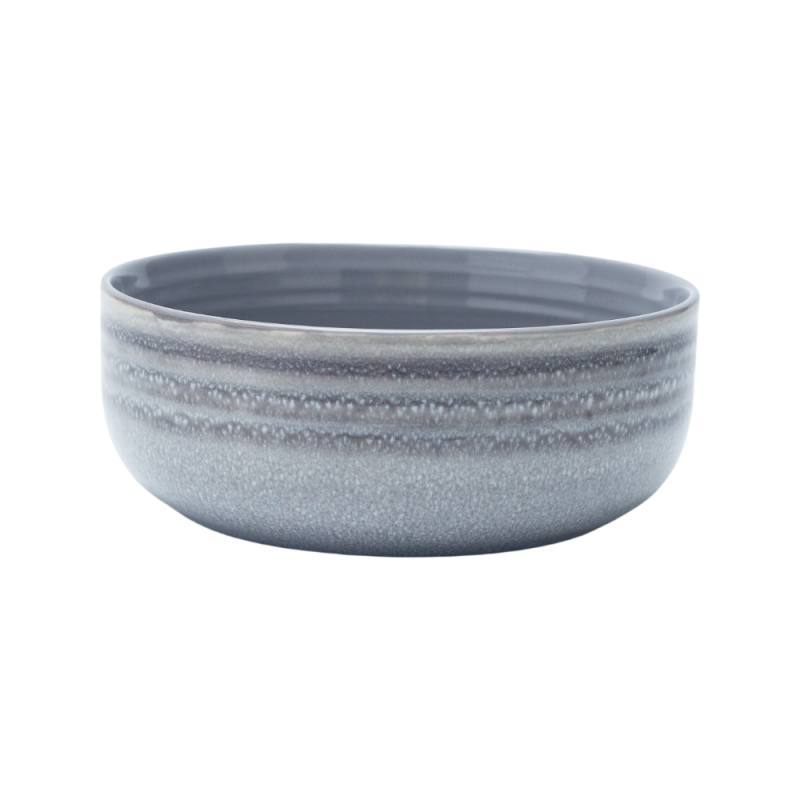
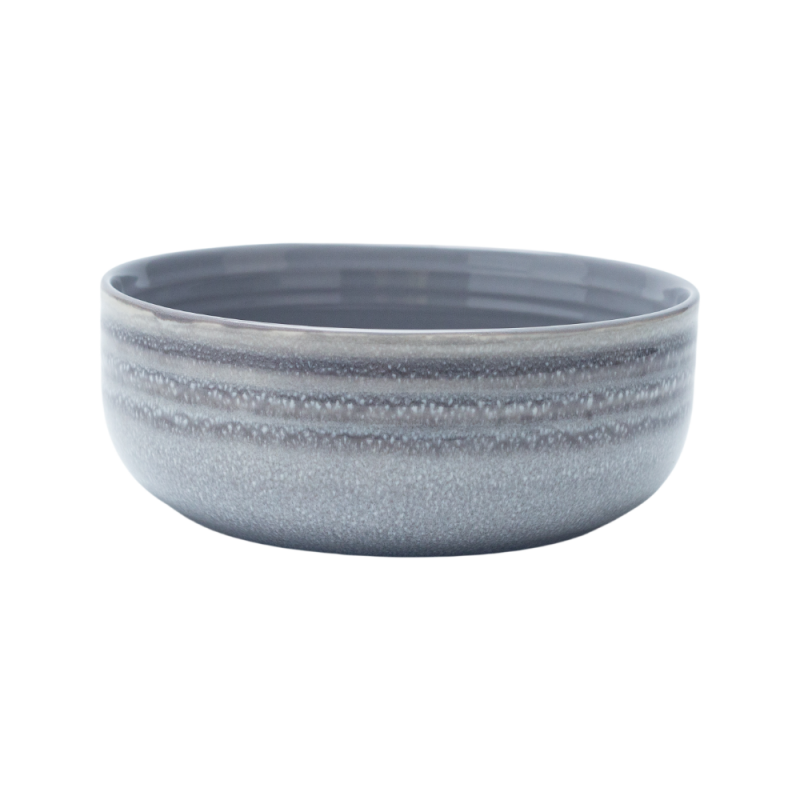
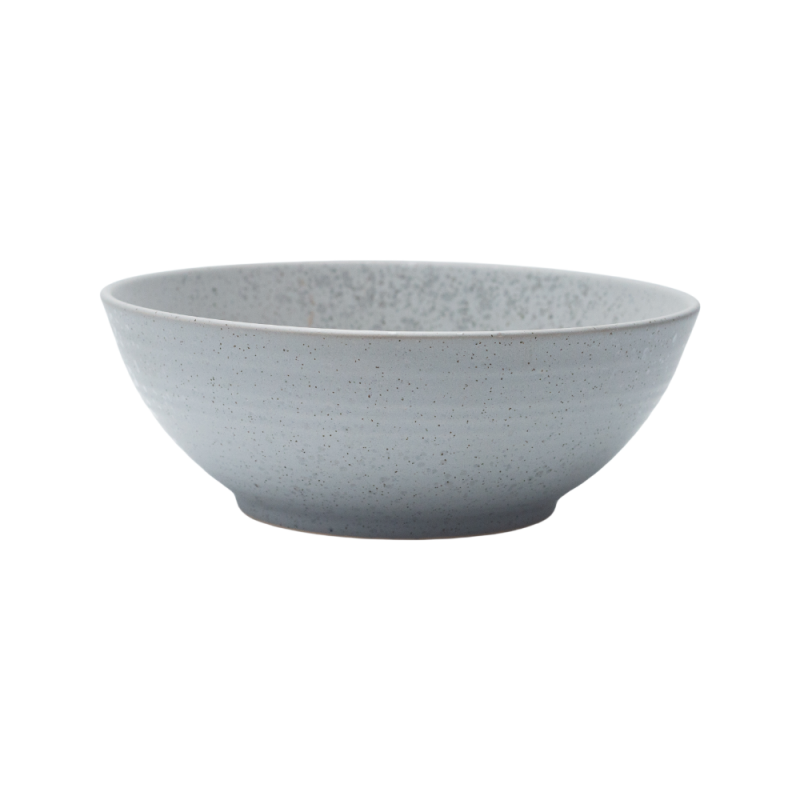
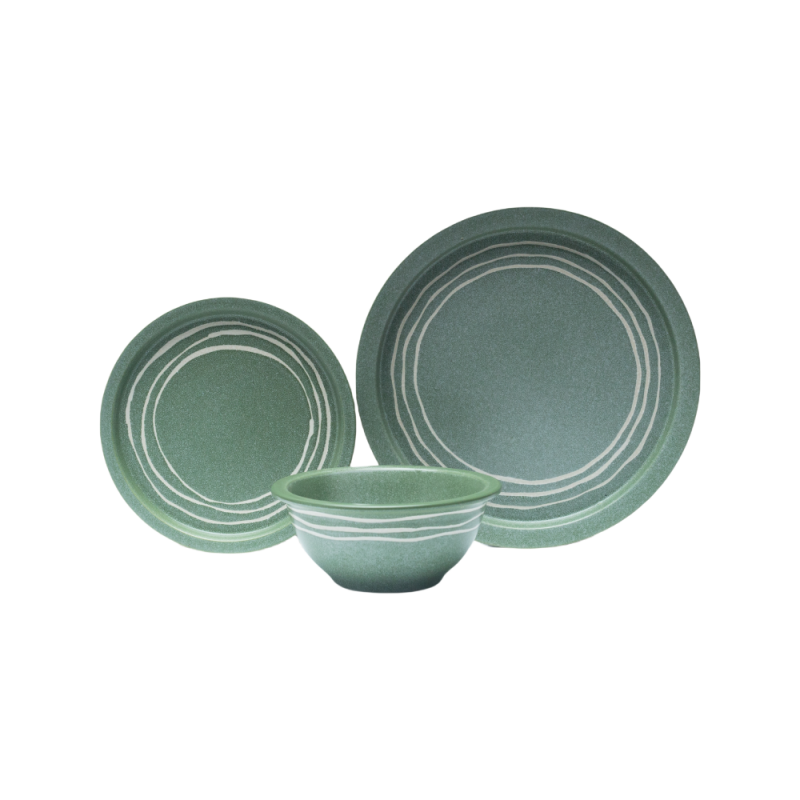
Products in this guide: Reactive Glaze Stoneware Bowl · Nordic Matte Speckled-Glaze Stoneware Bowl
Yield, Defined Properly
Yield is the proportion of pieces started that end up as first-quality packed goods. The definition matters because there are several, and a factory choosing the flattering one is not lying — it is measuring at a convenient point.
Three reference points, and the useful figure combines them.
After biscuit firing — captures forming, drying and first-fire losses. After the glost firing — adds glaze and second-fire losses, usually the largest single block. After decoration and packing — adds decoration, handling and sorting losses. A single overall figure, from started pieces to packed first quality, is the number worth tracking; the intermediate ones tell you where the loss sits.
The Defect Pareto, and Why It Is the Useful Part
Almost every production line loses most of its rejects to a small number of causes. A Pareto list is simply the defect types ranked by count or by percentage of losses. Four or five entries usually account for the majority, and the list changes when something changes — which makes it a diagnostic instrument rather than a score.
Read it for three signals. A dominant defect tells you where the process is weakest and whether the factory knows it. A changing list tells you something moved: a body change, a glaze batch, a new operator, a seasonal rush. And a list that never changes over a year suggests nobody is acting on it.
What to Ask For, and How
Four items, and they fit on one page.
- Overall yield for this item, monthly, for the last six months.
- The top five defect types by count, with the percentage each represents.
- Where in the process the losses occur — biscuit, glost, decoration, packing.
- What changed as a result of the last significant defect, and the measured effect.
A request framed this way is answerable by any factory that keeps production records, and it is a reasonable thing to ask for once a relationship exists. Asking for it in the first email is less useful; asking for it at the first review is normal practice.
Five Ways the Numbers Mislead
Rework counted as first quality. A repaired piece is a piece that was rejected and recovered; if it is counted as a first-quality piece with no disclosure, the yield figure flatters itself.
Rejects sold, not counted. Seconds sold to a domestic buyer still reduce the loss and improve the reported yield, without any improvement in the process.
A generous defect standard. Yield is measured against the factory's own acceptance criteria. A loose standard produces a high yield figure and a disappointed customer — which is why the buyer's arrival inspection matters as much as the supplier's internal figure.
A convenient definition. As above: measured after packing, measured excluding decoration rejects, measured per shift rather than per batch.
Good numbers, wrong item. A factory's headline yield may belong to a simple mug while the item being discussed is a complex lidded piece. The figure must be for this item.
How to Use It
Three practical uses, none of which requires trusting the number blindly.
To compare. A supplier quoting a lower price with a materially lower yield is not cheaper; the losses are somewhere in the chain, usually in the buyer's inspection or in the market. A price comparison without a yield figure is comparing an incomplete figure.
To detect deterioration early. A yield that drops two months in a row is a signal to ask what changed before it becomes a delivery problem.
To verify improvement claims. When a supplier says a corrective action worked, the yield trend is the evidence — and the same discipline as any claim: what changed, when, and what does the data show.
The spec freeze guide explains how artwork and packing files are locked between orders.
The Clause Worth Having
In a supply agreement, one line: monthly quality reporting, one page, containing yield for the agreed items and the top defect types with counts. It costs the supplier an hour a month, and it gives both sides the same picture — which is the condition for improving anything.
The packaging guide explains how retail-ready and protective layers are specified together.
The Habit That Ties It Together
The habit is to ask for the number instead of the adjective. Programs that do this discuss quality with data, catch problems before they ship, and stop paying for losses they never see.
Related Products
Explore products featured in this guide:
Have questions? See our Sizes & Finishes FAQ and Ordering & Certifications FAQ.
Need a custom quote? Send an inquiry or browse our full product catalog.